Asia · Politics
Indonesia Sets 6% Growth Target as Prabowo Unveils 2027 Fiscal Blueprint
Jakarta aims to expand state revenue by nearly 7% while narrowing the budget deficit under the president's ambitious economic agenda
KEY TAKEAWAYS
- ·Indonesia targets 6% GDP growth in 2027 with state revenue projected to reach 3,426 trillion rupiah, a nearly 7% increase from current levels.
- ·President Prabowo Subianto plans to reduce the budget deficit while funding initiatives including commodity exchanges and strategic foreign company acquisitions.
- ·Achieving these goals requires aggressive tax reforms or sustained high commodity prices, with execution risk and regional competition posing significant challenges.
Jakarta's Fiscal Push
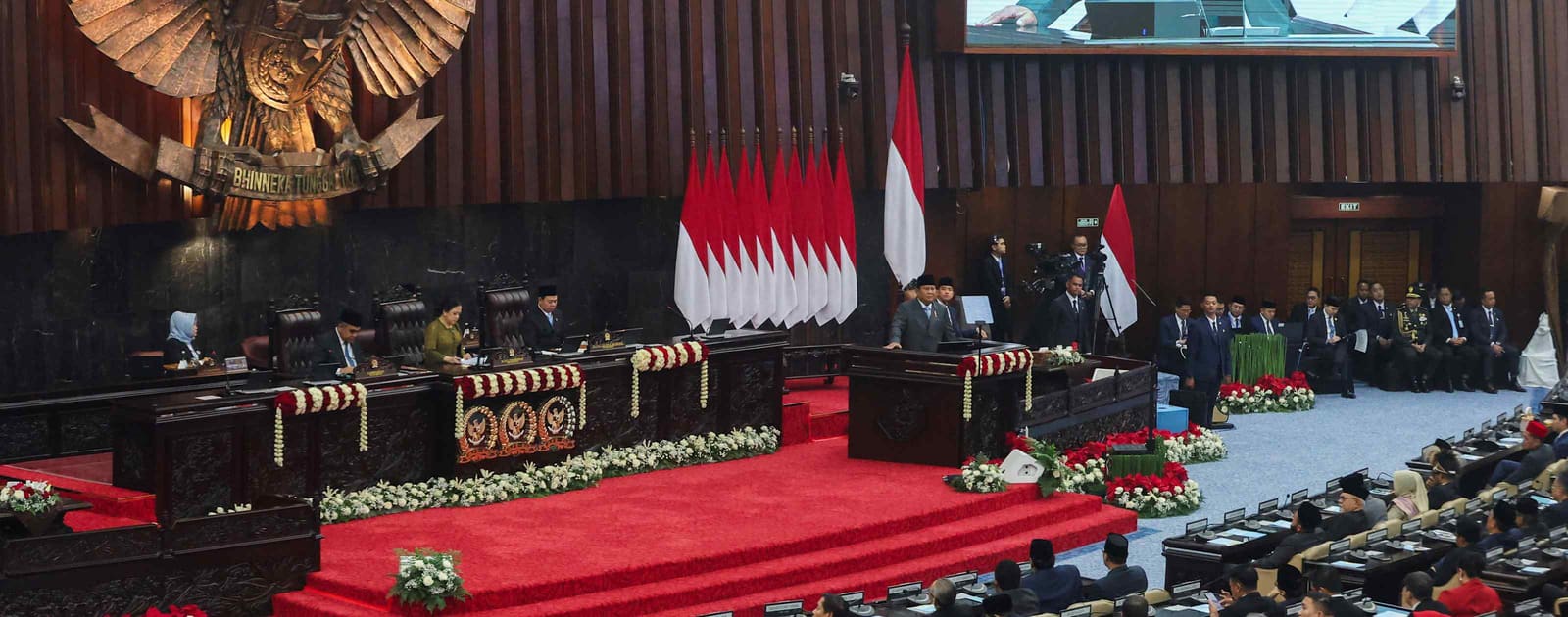
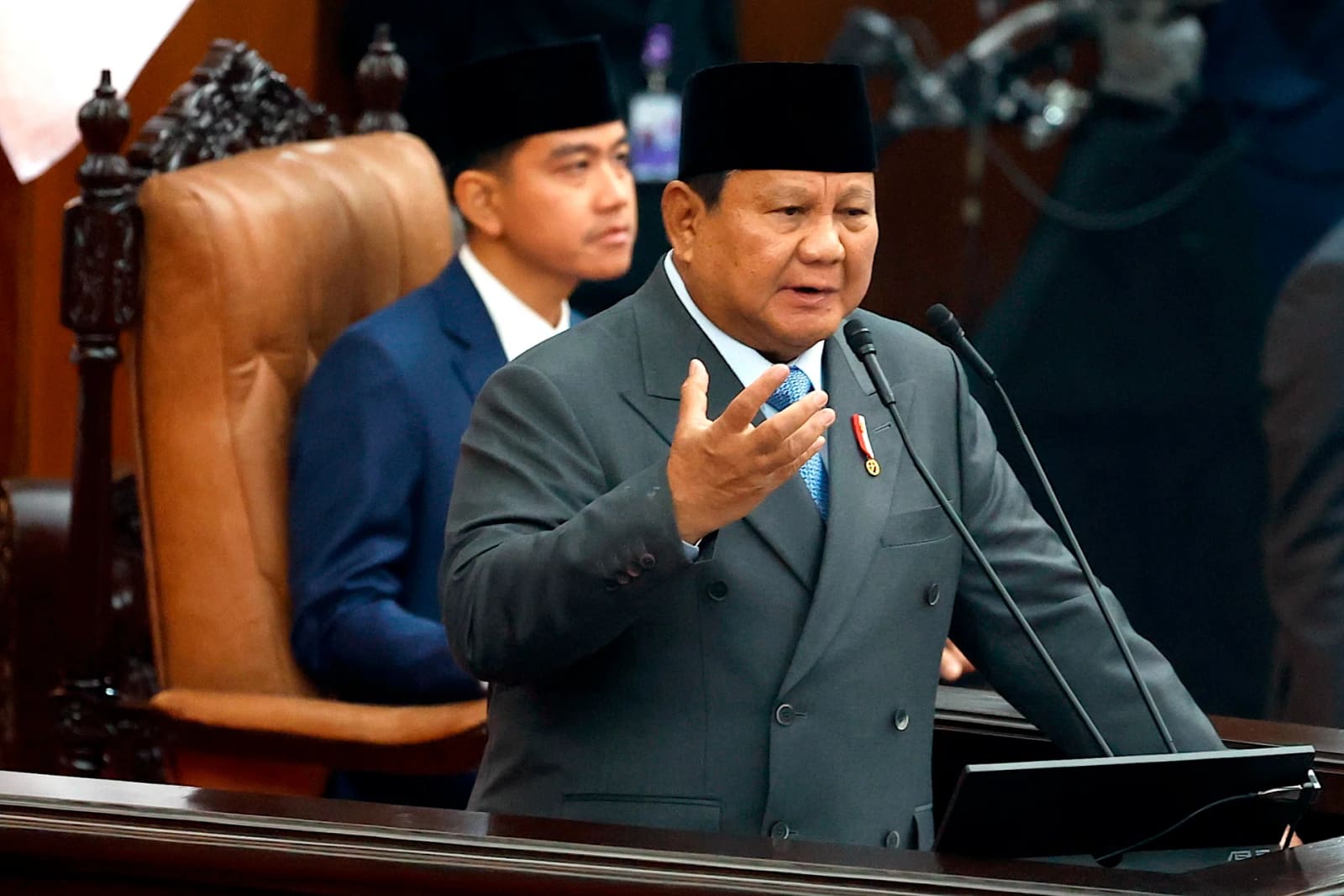
Indonesia is setting its sights on accelerated economic expansion next year, with President Prabowo Subianto announcing a target of 6% GDP growth paired with plans to expand state revenue to 3,426 trillion rupiah ($192 billion) in 2027. The figure represents a nearly 7% increase over current levels, according to Prabowo's state of the nation address delivered to parliament on August 14.
The president's fiscal roadmap comes at a moment when Southeast Asia's largest economy is navigating a complex regional environment. Indonesia recorded 5.3% growth in the second quarter of 2026, and Prabowo's administration is now betting that a combination of revenue expansion and deficit reduction can propel the country into a higher growth bracket without destabilizing public finances.
Revenue Ambitions and Deficit Discipline
The 2027 budget framework targets a lower deficit ratio even as spending increases to support Prabowo's policy agenda. The president cited a range of initiatives, from establishing new commodity exchanges to potential acquisitions of foreign companies operating in strategic sectors. These moves signal Jakarta's intention to deepen its control over value chains in industries where Indonesia holds natural resource advantages, particularly nickel, palm oil, and coal.
Indonesia has historically struggled to lift its tax-to-GDP ratio above 10%, one of the lowest in the region. The near-7% revenue jump Prabowo is projecting would require either aggressive tax enforcement, new levies on digital and extractive sectors, or a sustained uptick in commodity prices that boosts royalties and export duties. None of these are guaranteed, and the gap between target and reality has widened in previous administrations.
Regional Context and Credibility
Prabowo's growth target places Indonesia above most of its ASEAN peers, but it also invites scrutiny. Malaysia posted 6% growth in the second quarter of 2026, while Singapore raised its full-year forecast after recording 5.9% in the same period. Vietnam continues to attract manufacturing investment diverted from China, and Thailand is positioning itself as a regional electric vehicle hub. Indonesia's ambition to hit 6% will depend on whether it can translate policy announcements into execution, particularly in infrastructure, downstream processing, and ease of doing business.
The administration's reference to foreign company purchases suggests a continuation of resource nationalism that has defined Indonesian policy for the past decade. While this approach has won domestic political support, it has also raised concerns among foreign investors about regulatory predictability and the risk of retroactive policy changes. Prabowo's challenge will be balancing nationalist rhetoric with the need to attract capital for the country's energy transition and digital infrastructure buildout.
What Needs to Go Right
Reaching a 6% growth rate and a 7% revenue increase simultaneously is a tight needle to thread. Indonesia's recent economic performance has been solid but unspectacular, with structural issues in tax collection, bureaucratic efficiency, and regional inequality persisting. The government's ability to narrow the deficit while funding new initiatives will hinge on whether it can broaden the tax base beyond the formal sector and large corporations.
Commodity prices remain a wildcard. Indonesia benefits from global demand for nickel and coal, but both markets are volatile. A downturn in Chinese construction or faster-than-expected adoption of renewable energy in export markets could undercut revenue assumptions. On the flip side, if global decarbonization accelerates demand for Indonesian nickel in battery supply chains, the fiscal picture could improve faster than expected.
The state address offered ambition but left key implementation details unspecified. Parliament will scrutinize the budget in the coming months, and rating agencies will watch whether Jakarta can deliver on revenue promises without resorting to one-off asset sales or creative accounting. For now, Prabowo has set a benchmark. Whether Indonesia can meet it will become clearer as policy moves from rhetoric to execution.
RELATED STORIES
Indonesia Targets 2.4% Deficit in 2027 Budget as Prabowo Pushes Fiscal Restraint
Siti Nuraini · 3 min
Indonesia Shutters 750 State Enterprises in Sprawling Overhaul
Priyanka V. Rao · 3 min
Indonesia Plans to Slash State Enterprises to 300, Launch Probe Into Three Decades of Directors
Siti Nuraini · 4 min
Jakarta Charts Course for 8% Growth With State-Led Resource Strategy
Priyanka V. Rao · 4 min
Spot something wrong? Email editor@briefasia.com. We log every correction publicly.