Asia · Politics
Indonesia Targets 2.4% Deficit in 2027 Budget as Prabowo Pushes Fiscal Restraint
President proposes tighter deficit below this year's target while maintaining ambitious growth goals, signaling discipline after years near legal cap
KEY TAKEAWAYS
- ·Indonesia's proposed 2027 budget deficit of Rp 671.2 trillion equals 2.4 percent of GDP, down from 2.68 percent target in 2026 and projected 2.85 percent actual.
- ·President Prabowo emphasized fiscal discipline and efficient spending while maintaining ambitious growth targets, with the deficit still subject to parliamentary deliberation.
- ·The plan signals consolidation after years near the 3 percent legal cap, with final budget expected in coming weeks following lawmaker scrutiny of revenue and expenditure assumptions.
A Leaner Fiscal Stance
President Prabowo Subianto unveiled Indonesia's 2027 state budget plan on Friday with a proposed deficit of Rp 671.2 trillion ($37.68 billion), equivalent to 2.4 percent of the anticipated gross domestic product. The figure marks a deliberate step back from the 2.68 percent target set in this year's budget and a notable retreat from the 2.85 percent actual deficit now expected for 2026.
Speaking before lawmakers and government officials in his Financial Notes address, Prabowo framed the lower deficit as a cornerstone of his administration's commitment to fiscal discipline. "The ideal deficit is as little as possible; the dream is actually a balanced budget," the President said, while acknowledging the target remains provisional and could tighten further during budget execution.
The announcement arrives as Indonesia walks a tightrope between sustaining economic momentum and reining in deficits that have hovered uncomfortably close to the 3 percent legal ceiling imposed after the Asian Financial Crisis in the late 1990s. Last year's deficit reached 2.92 percent of GDP, just shy of the statutory cap, underscoring the narrow margin for error.
Revenue Gains and Spending Efficiency
The proposed 2.4 percent deficit rests on dual pillars: improved revenue collection and leaner expenditure. While the administration has not detailed specific line-item cuts or new revenue streams, the plan signals a shift toward efficiency after several years of elevated spending driven by pandemic recovery programs, infrastructure buildouts, and subsidies.
Indonesia's fiscal position has improved incrementally in recent quarters. The government's latest projections show the 2026 deficit at 2.85 percent, an improvement over 2025's 2.92 percent. Still, the narrowing trajectory has been gradual, and economists have questioned whether revenue growth can keep pace with the administration's ambitious targets for infrastructure and social programs.
The 2027 proposal will now enter weeks of deliberation in parliament before being codified into law. Lawmakers typically scrutinize allocation priorities, subsidy levels, and assumptions around commodity prices and tax compliance. The final budget will guide policy execution across ministries and set the tone for investor confidence in Southeast Asia's largest economy.
Balancing Growth and Restraint
Prabowo's fiscal plan retains an ambitious economic growth target, though specific figures were not disclosed in the Financial Notes address. The tension between growth aspiration and deficit discipline reflects a broader challenge facing Jakarta: how to fund infrastructure, energy transition, and social welfare without breaching fiscal guardrails that anchor investor confidence.
Indonesia's economy expanded modestly in recent quarters, with GDP growth slowing from earlier post-pandemic highs. External headwinds, including weaker commodity prices and global demand softness, have weighed on export revenues, while domestic consumption remains uneven. The government has leaned on infrastructure spending to sustain momentum, but that strategy carries fiscal costs.
The proposed deficit reduction, if realized, would offer a buffer against external shocks and signal to bond markets that Indonesia is serious about consolidation. The rupiah and sovereign debt yields have been sensitive to fiscal signals, particularly as regional peers navigate their own budget pressures.
Regional Context and Investor Watch
Indonesia's fiscal trajectory is being closely watched across Asia, where governments are recalibrating post-pandemic spending. The Philippines, Thailand, and Vietnam have all grappled with elevated deficits, and Indonesia's ability to consolidate while maintaining growth could set a regional benchmark.
The 2027 budget plan also comes as Prabowo's administration faces scrutiny over implementation of signature programs, including efforts to boost domestic manufacturing and reduce reliance on imports. Fiscal space will determine how aggressively the government can pursue industrial policy and subsidy reforms without triggering market jitters.
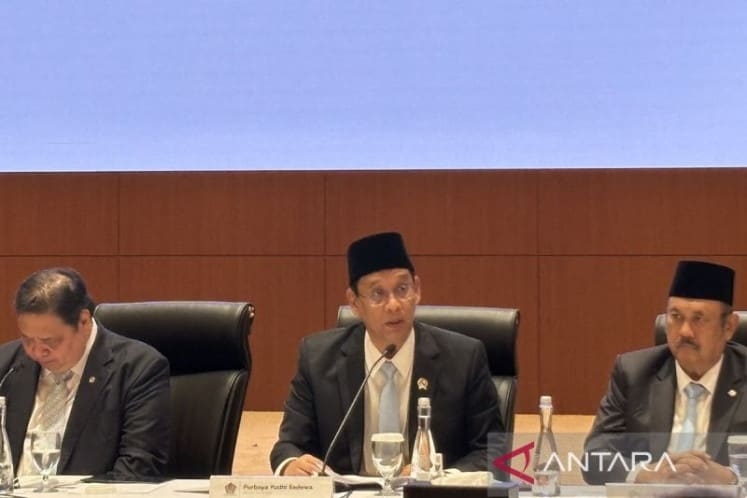
Finance Minister Purbaya Yudhi Sadewa, who joined Prabowo at the budget rollout, has signaled that revenue measures will focus on broadening the tax base and improving compliance rather than introducing new levies. The administration has previously floated plans to digitize tax administration and crack down on evasion, though results have been uneven.
As deliberations begin, the key question is whether the 2.4 percent target can survive the political process. Parliament has historically pushed for higher spending on regional transfers and subsidies, and any upward pressure could complicate the administration's consolidation goals. The final budget, expected to pass in the coming weeks, will clarify whether Indonesia's fiscal discipline can hold in an election cycle and a challenging global environment.
RELATED STORIES
Jakarta Charts Course for 8% Growth With State-Led Resource Strategy
Priyanka V. Rao · 4 min

Riau Battles Wildfire Surge With Skeleton Budget
Siti Nuraini · 2 min

Indonesia Takes Control of Whoosh Railway Debt as B2B Model Collapses
Siti Nuraini · 4 min
Indonesia Redirects State Fund Dividends to Reduce Debt Burden
Priyanka V. Rao · 3 min
Spot something wrong? Email editor@briefasia.com. We log every correction publicly.