Asia · Politics
Indonesia Redirects State Fund Dividends to Reduce Debt Burden
President Prabowo orders Danantara to channel SOE profits back to treasury as public debt reaches 41% of GDP
KEY TAKEAWAYS
- ·President Prabowo has instructed Danantara to redirect a portion of state enterprise dividends to the national budget, reversing the fund's reinvestment model established in 2025.
- ·Indonesia's public debt reached 10.3 quadrillion rupiah, or 41.26 percent of GDP, as of June 30, up 1.8 quadrillion rupiah since Prabowo took office in October 2024.
- ·The policy shift raises questions about Danantara's future role and contrasts with the long-term investment horizons of sovereign wealth funds in Singapore and Malaysia.
Policy Reversal on SOE Dividends
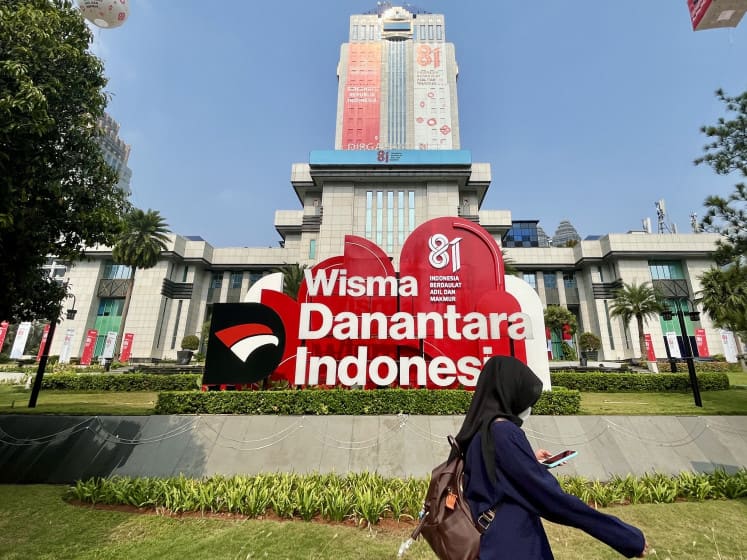
President Prabowo Subianto has instructed Danantara, Indonesia's state asset fund, to redirect a portion of dividends from state-owned enterprises back to the national budget in an effort to ease mounting debt pressure.
Finance Minister Purbaya Yudhi Sadewa confirmed the directive on Wednesday, stating that the President had proposed "an idea to place a sum of Danantara profits for government reserves, which can help reduce our debt." The policy will take effect this year, though neither the timing nor the specific amount has been disclosed.
The move marks a significant shift in how Jakarta manages returns from its sprawling portfolio of state enterprises. Before Danantara's establishment in 2025, SOEs remitted dividends directly to the treasury in proportion to government shareholdings. In 2024, those payments totaled 86.4 trillion rupiah ($4.83 billion) and were recorded as nontax revenue.
The Danantara Model Under Scrutiny
Danantara was created to function as a sovereign wealth vehicle, pooling SOE dividends for reinvestment and expansion rather than immediate budget use. The fund was intended to professionalize state asset management and generate long-term returns, mirroring models in Singapore and Malaysia.
Yet the arrangement has faced criticism for opacity. Danantara has not published detailed financial reports since its inception, drawing scrutiny from parliamentarians and civil society groups who question whether the fund's governance meets international standards.
The government's debt had reached a record 10.3 quadrillion rupiah, or 41.26 percent of gross domestic product, as of June 30. That represents an increase of 1.8 quadrillion rupiah since Prabowo took office in October 2024, reflecting ambitious infrastructure and social spending commitments made during the presidential campaign.
Fiscal Pressures Mount
Purbaya indicated that routing Danantara profits to the budget could help narrow the fiscal deficit, though he did not specify whether the arrangement would be permanent or how the funds would be classified. When asked if the dividends would again be logged as nontax revenue, he said the matter was still under discussion.
The finance minister framed the decision as part of a broader efficiency drive. "We want to increase the efficiency of our revenue, and we want our budget to be more sustainable moving forward. We'll make use of every avenue, including income from Danantara," he said.
Indonesia's fiscal deficit has been a persistent concern for rating agencies and bond investors. The government is targeting a deficit below 3 percent of GDP, a threshold enshrined in law, but achieving that goal has required a mix of subsidy cuts, tax reforms, and revenue optimization measures.
Regional Context and Implications
The reversal places Indonesia at odds with the sovereign wealth fund playbook favored by several Southeast Asian neighbors. Singapore's Temasek and Malaysia's Khazanah Nasional operate with multi-decade investment horizons, shielding their portfolios from short-term budget pressures.
Jakarta's decision to tap Danantara dividends suggests that immediate fiscal needs are outweighing the long-term capital accumulation strategy the fund was designed to pursue. Analysts note that this could complicate efforts to attract co-investment from foreign institutional funds, which typically seek stable governance and predictable reinvestment policies.
The policy also raises questions about the future role of Danantara. If the fund becomes a pass-through vehicle for budget support rather than an active investor, its rationale for existence diminishes. Some observers have suggested that the government may eventually fold Danantara's assets back into direct ministerial oversight, unwinding the corporatization experiment.
What Comes Next
Details on implementation remain sparse. The finance ministry has yet to announce which SOEs will be affected, how dividend flows will be split between Danantara's retained earnings and budget transfers, or whether the fund will retain operational independence.
Parliament is expected to weigh in during upcoming budget deliberations. Several lawmakers have called for greater transparency around Danantara's asset base, investment strategy, and governance structure before approving any dividend rerouting mechanism.
For now, the directive underscores the tension between fiscal discipline and long-term institution building in Southeast Asia's largest economy. As debt service costs rise and revenue growth lags, Jakarta is prioritizing immediate budget relief over the patient capital approach that Danantara was meant to embody.
RELATED STORIES
Indonesia Tightens Central Control Across Financial, Fiscal, and Data Institutions
Priyanka V. Rao · 3 min
Indonesia Nominates Destry Damayanti as First Female Central Bank Chief
Priyanka V. Rao · 3 min

Indonesia Names Central Bank Veteran as Governor Amid Fiscal Tensions
Priyanka V. Rao · 3 min
Indonesia Pushes BRICS to Uphold Trade Rules as Global Fragmentation Looms
Priyanka V. Rao · 2 min
Spot something wrong? Email editor@briefasia.com. We log every correction publicly.