Asia · Politics
Indonesia Tightens Central Control Across Financial, Fiscal, and Data Institutions
Parliament's expanded oversight of Bank Indonesia and deep regional budget cuts signal a structural shift away from the post-Reformasi distribution of power
KEY TAKEAWAYS
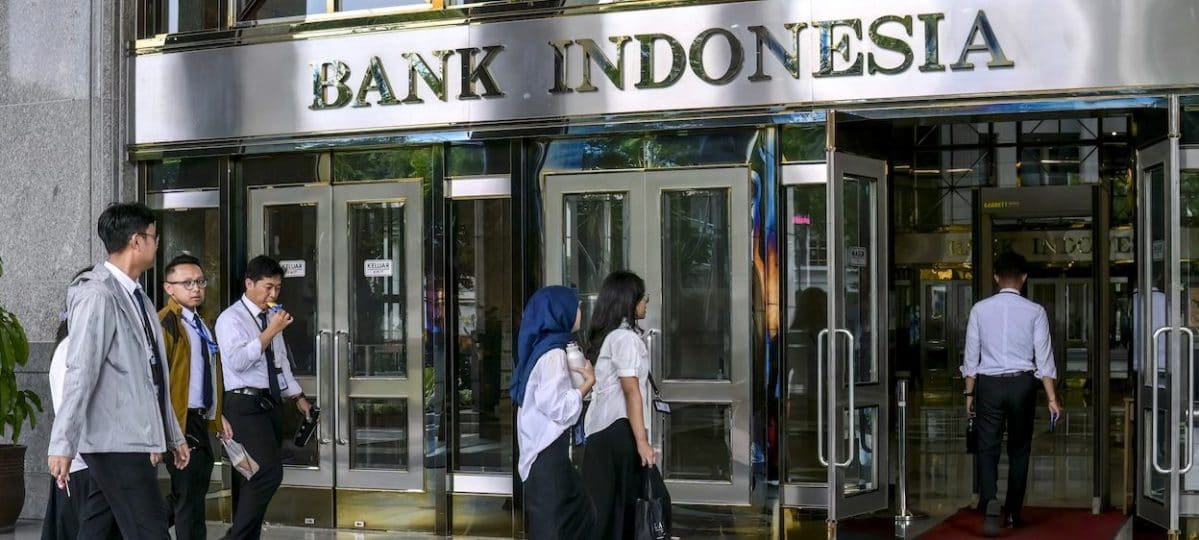
- ·Indonesia's parliament expanded oversight of Bank Indonesia in June 2026, requiring the central bank to support growth and employment while following parliamentary recommendations, alongside a 20 per cent cut to regional transfers.
- ·The 2026 budget reduced Transfer to Regions and Village Funds from IDR 848.52 trillion to around IDR 693 trillion, the deepest cut in 25 years, affecting subnational governments that depend on central funds for 60 to 70 per cent of revenue.
- ·Four institutional changes across monetary policy, fiscal transfers, sovereign wealth management, and data governance shift discretion toward the executive centre, reversing the post-Reformasi distribution of power.
Parliament Expands Bank Indonesia Oversight
Indonesia's House of Representatives passed a revised Development and Strengthening of Financial System Law in June 2026, granting lawmakers expanded powers to evaluate Bank Indonesia's performance. The amended legislation mandates the central bank to support growth and employment objectives, moving beyond its traditional price stability focus. BI, the Deposit Insurance Corporation, and the Financial Services Authority are now required to follow parliamentary recommendations under the new framework.
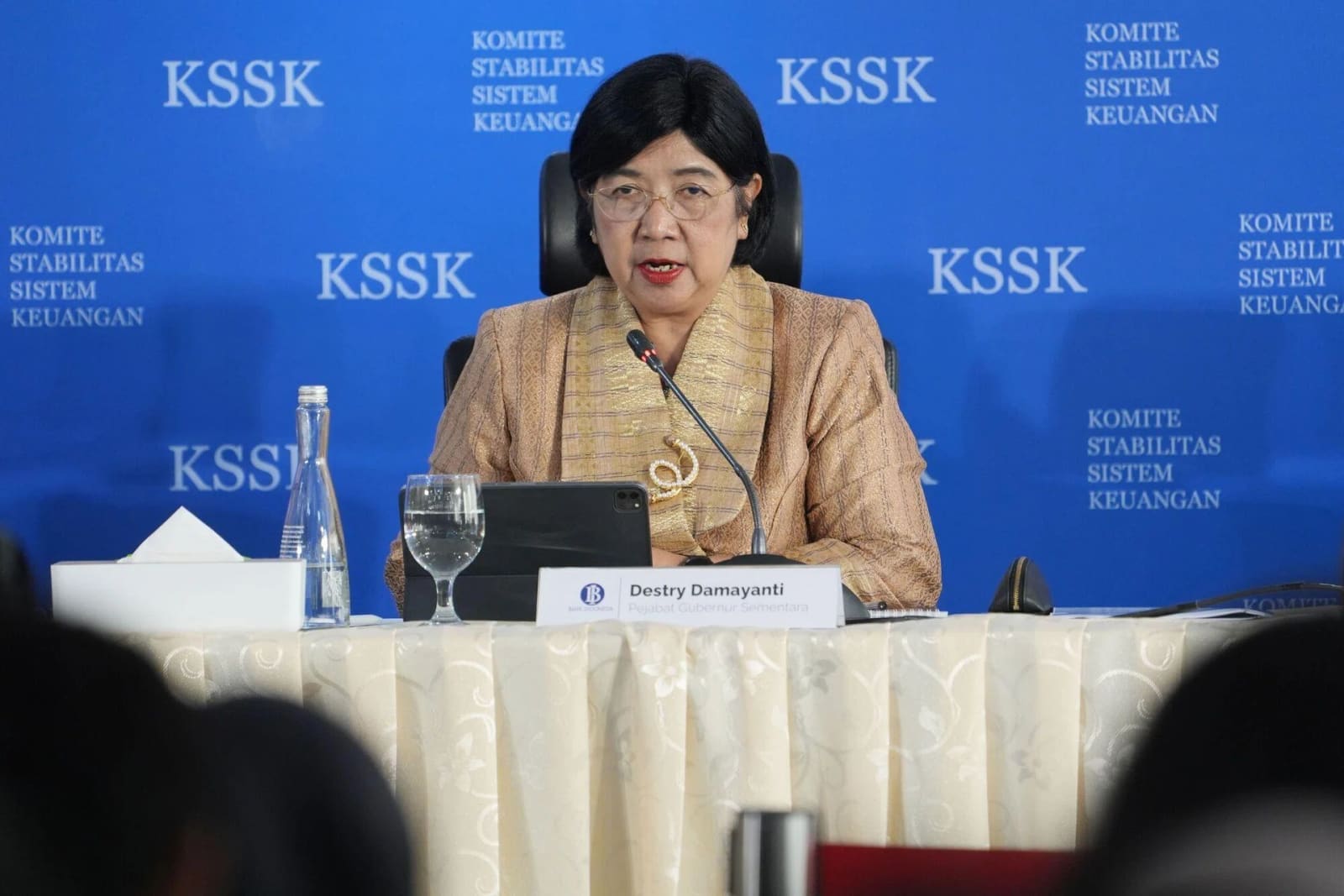
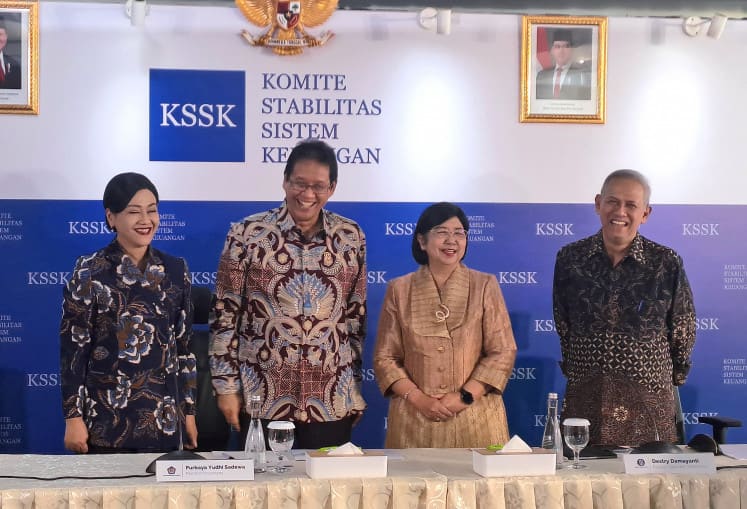
The institutional change arrived alongside the January 2026 appointment of Thomas Djiwandono, President Prabowo Subianto's nephew, as deputy governor of Bank Indonesia. Governor Perry Warjiyo resigned abruptly on 25 July 2026, placing Djiwandono among three candidates to succeed him. The presidential palace has since announced it will nominate Destry Damayanti, Warjiyo's former deputy, to lead the central bank.
Regional Budgets Cut by Fifth
The 2026 state budget slashed Transfer to Regions and Village Funds from IDR 848.52 trillion in 2025 to approximately IDR 693 trillion, an 18 to 20 per cent reduction. The cut marks the deepest retrenchment in 25 years of fiscal decentralisation. Subnational governments, which rely on central transfers for 60 to 70 per cent of their revenue, face a structural shock to their operational capacity.
The budget reallocation shifts fiscal discretion toward Jakarta at a time when local governments are expected to maintain service delivery and infrastructure commitments.
Sovereign Fund Concentrates State Assets
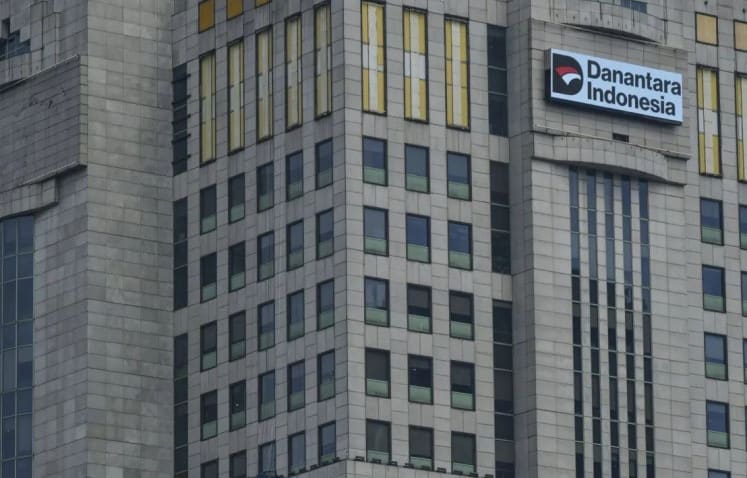
Danantara, Indonesia's sovereign wealth fund launched in February 2025, consolidates management of state assets valued at more than USD 900 billion. Indonesia Corruption Watch identified 24 of 31 Danantara officials as politically exposed persons, defined as current or former public officeholders or individuals with significant political influence.
Civil society groups responded by forming Danantara Monitor, an independent platform pressing for transparency on investment decisions and conflicts of interest. The fund's governance structure concentrates asset management authority without corresponding public accountability mechanisms.
Data Protection Regime Remains Incomplete
Indonesia's Personal Data Protection Law took effect in 2024, but implementing regulations remain incomplete as of July 2026. The government has not established the mandated PDP Agency responsible for enforcement. Meanwhile, the administration is advancing a One Data Bill designed to centralise and integrate data across ministries and agencies.
The proposed legislation would consolidate data infrastructure before privacy protections are operational, reversing the sequence envisioned when the PDP Law was enacted.
Pattern Across Sectors
These four developments span monetary policy, fiscal transfers, sovereign asset management, and data governance. Each addresses distinct policy challenges, yet all shift discretion and oversight toward the executive centre. The post-Reformasi governance model deliberately distributed power across independent institutions, subnational governments, and checks on executive authority.
The institutional changes are anchored in legislation rather than temporary administrative adjustments. Whether accountability mechanisms will narrow the emerging gap remains uncertain. Key indicators include Bank Indonesia's operational independence from the presidential palace, audited investment disclosures from Danantara, and potential restoration of subnational government budgets.
President Prabowo's governing approach emphasises personal loyalty and proximity-based authority rather than institutional mandates. The structure lacks self-correction mechanisms if trust is misplaced or performance falters.
What Comes Next
The re-concentration of authority at the executive level reduces institutional checks and balances that have defined Indonesian governance since the late 1990s. The shift affects not only financial markets but the fundamental character of the state, determining whether it remains answerable to institutions and citizens or primarily to itself.
Indonesia's institutions were not functioning without friction before the current administration. Bank Indonesia's independence did not insulate the rupiah from global volatility. Subnational governments have faced criticism for weak budget absorption and inconsistent service delivery. State-owned enterprises carried governance problems before Danantara consolidated them. The One Data Policy exposed data fragmentation during earlier crises.
Centralisation can address genuinely fragmented institutions when implemented at a manageable scale and pace. Concentrating discretion without matching accountability, however, removes institutional independence and subnational authority. The outcome may produce fragility rather than resilience across government functions.
RELATED STORIES
Indonesia Nominates Destry Damayanti as First Female Central Bank Chief
Priyanka V. Rao · 3 min
Indonesia Names Interim Central Bank Chief as Sole Nominee for Permanent Role
Siti Nuraini · 2 min
Destry Damayanti Emerges as Top Candidate for Bank Indonesia Governor
Priyanka V. Rao · 3 min
Brazil's JBS Commits $2.5 Billion to Indonesia Protein Venture With Danantara
Priyanka V. Rao · 5 min
Spot something wrong? Email editor@briefasia.com. We log every correction publicly.