Asia · Politics
Indonesia Names Interim Central Bank Chief as Sole Nominee for Permanent Role
Destry Damayanti's nomination follows Perry Warjiyo's abrupt exit amid currency pressure and concerns over central bank autonomy
KEY TAKEAWAYS
- ·Indonesia nominated acting governor Destry Damayanti, 62, as the sole candidate to lead Bank Indonesia permanently after Perry Warjiyo's abrupt resignation in late July.
- ·The choice avoids potential controversy over Thomas Djiwandono, a deputy governor and President Prabowo's nephew, who had been seen as a possible contender.
- ·Parliament will decide the appointment amid heightened scrutiny of central bank independence following July legislation that expanded legislative oversight and added growth mandates.
A Single Candidate Emerges
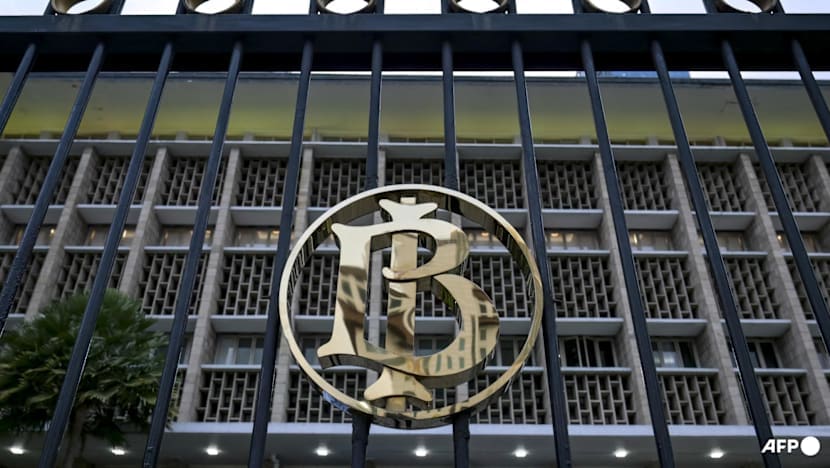
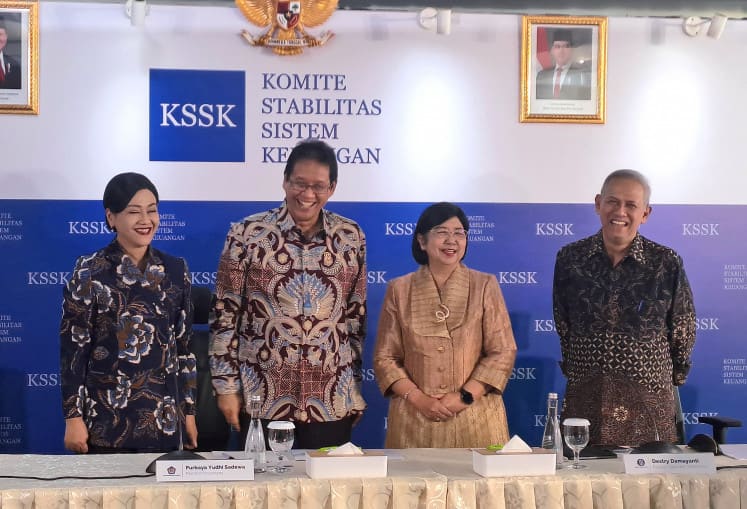
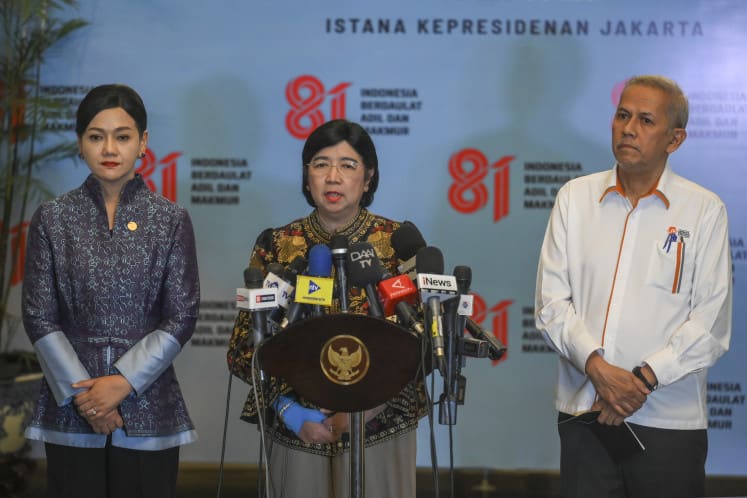
Indonesia's government has nominated Destry Damayanti as the sole candidate to lead Bank Indonesia permanently, presidential spokesman Prasetyo Hadi confirmed on Monday. The 62-year-old economist has served as acting governor since Perry Warjiyo resigned unexpectedly in late July.
The nomination now moves to parliament, which will make the final decision after returning from recess. Damayanti has been a deputy governor at Bank Indonesia since 2019, bringing seven years of experience at the institution to the top role.
Context of Political Scrutiny
The selection arrives at a sensitive moment for the central bank's perceived autonomy. Perry's departure marked the second major economic policymaker to exit since President Prabowo Subianto assumed office in October 2024, raising questions about continuity in monetary governance.
Market observers had speculated that Thomas Djiwandono, another deputy governor and Prabowo's nephew, might be in contention for the post. The government's decision to nominate Damayanti as the sole candidate sidesteps potential concerns about familial influence in a key economic institution.
Adding to worries about Bank Indonesia's independence, parliament passed legislation in July that expanded its oversight remit. The bill requires lawmakers to evaluate the central bank's performance and assigns it formal responsibility for economic growth, a priority Prabowo has emphasized throughout his presidency.
Monetary Policy Under Pressure
Damayanti inherits a challenging macroeconomic environment. The rupiah has weakened sharply in recent months, and equity markets have come under pressure as global capital flows shift. Bank Indonesia's policy board, comprising the governor and several deputies, sets interest rates and determines the broader monetary stance.
At the most recent policy meeting in late July, which Perry chaired, the board held the benchmark rate steady at 5.75 per cent. That decision followed cumulative increases of 100 basis points earlier this year as the central bank sought to defend the currency and anchor inflation expectations.
The new governor will need to balance currency stability with support for domestic growth, a tension that has defined Indonesian monetary policy for much of the past two years. Inflation remains within the central bank's target band, but external pressures from a strengthening dollar and volatile commodity prices complicate the policy calculus.
What Parliament Decides Next
Parliamentary approval is the final hurdle before Damayanti can take the role permanently. Lawmakers are expected to scrutinize her policy priorities and approach to managing the rupiah's volatility when they reconvene. The choice of a career central banker with no direct political ties may ease some concerns about interference, though the recent legislative changes to Bank Indonesia's mandate ensure that political oversight will remain a factor in monetary policy debates.
The central bank's next scheduled policy meeting will test how markets interpret the leadership transition. Bond yields and the rupiah's performance in the weeks ahead will signal whether investors view the nomination as continuity or a shift in the institution's approach to managing Asia's fourth-largest economy.
RELATED STORIES
Destry Damayanti Emerges as Top Candidate for Bank Indonesia Governor
Priyanka V. Rao · 3 min
Indonesia Names Interim Central Bank Chief as Sole Nominee for Governor
Priyanka V. Rao · 3 min
Indonesia's Rupiah Defense Drains Reserves as Central Bank Rethinks Strategy
Siti Nuraini · 2 min
Indonesia's Unemployment Rate Falls Even as Layoffs Accelerate
Priyanka V. Rao · 3 min
Spot something wrong? Email editor@briefasia.com. We log every correction publicly.