Asia · Politics
Indonesia Names Interim Central Bank Chief as Sole Nominee for Governor
Destry Damayanti's formal nomination ends speculation over Bank Indonesia's leadership vacuum following Perry Warjiyo's abrupt July exit.
KEY TAKEAWAYS
- ·President Prabowo nominated Destry Damayanti, current interim governor, as the sole candidate to lead Bank Indonesia following Perry Warjiyo's July resignation.
- ·The rupiah gained on the announcement, reflecting market preference for leadership clarity amid currency volatility and inflation pressures in Southeast Asia's largest economy.
- ·Indonesia's House of Representatives will vet the nomination after resuming session Friday, with confirmation expected to proceed quickly given the absence of competing candidates.
A Single Name Goes Forward
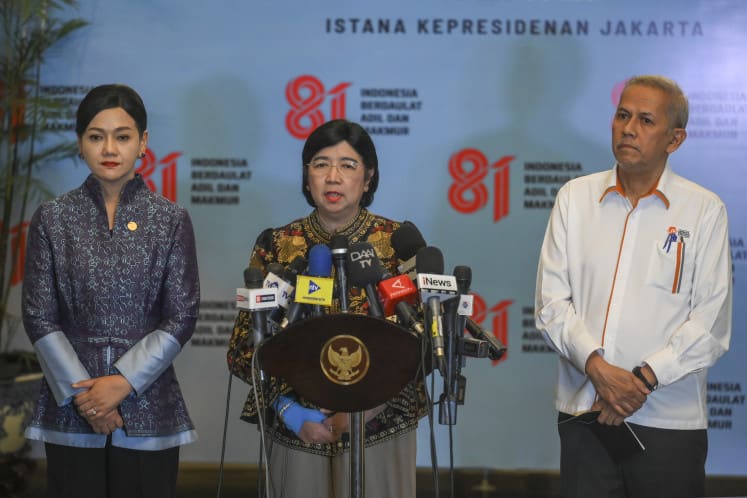
President Prabowo Subianto has put forward Destry Damayanti, currently serving as interim governor of Bank Indonesia, as his sole nominee for the central bank's vacant leadership position. State Secretary Prasetyo Hadi confirmed the decision Monday after meeting with leaders of the House of Representatives to deliver official nomination letters for several government posts.
The move narrows what had been a field of speculation since Perry Warjiyo resigned unexpectedly on July 26, citing personal reasons. Damayanti has held the interim role since that departure, maintaining continuity at the institution as it navigates inflation pressures and currency volatility in Southeast Asia's largest economy.
Markets responded with modest optimism. The rupiah strengthened against the dollar following news of the formal nomination, reflecting investor preference for settled leadership over prolonged uncertainty.
Parliamentary Process Ahead
Under Indonesian law, the president nominates candidates for the Bank Indonesia Board of Governors, and the House of Representatives then vets and either confirms or rejects those names. The president may submit up to three candidates, but Prabowo chose to advance only one.
The House remains in recess until Friday, when Prabowo is scheduled to address the People's Consultative Assembly. Legislative consideration of Damayanti's nomination will begin after that session resumes. The timeline for a confirmation vote remains unclear, though observers expect the process to move swiftly given the absence of competing candidates.
What remains unspecified is the term length. It is not yet public whether Damayanti has been nominated to complete the final two years of Warjiyo's tenure or to begin a fresh five-year term. That distinction carries weight for policy continuity and the central bank's medium-term planning horizon.
Other Names in the Frame
Before the formal announcement, two other figures had circulated as potential contenders. Aida S. Budiman, a current deputy governor at Bank Indonesia, and Muliaman Hadad, a former deputy governor, were both discussed in Jakarta policy circles as possible nominees alongside Damayanti. Neither was ultimately put forward.
The decision to nominate a single candidate suggests Prabowo sought to avoid a contested selection process and to signal confidence in continuity. Damayanti has spent her career within the central bank and monetary policy apparatus, bringing institutional knowledge that may appeal to a president facing economic headwinds.
Stability in a Turbulent Window
The rupiah has come under pressure in recent months as global interest rate differentials and regional capital flows shift. Bank Indonesia has intervened in currency markets and adjusted policy rates to defend the exchange rate while managing domestic inflation.
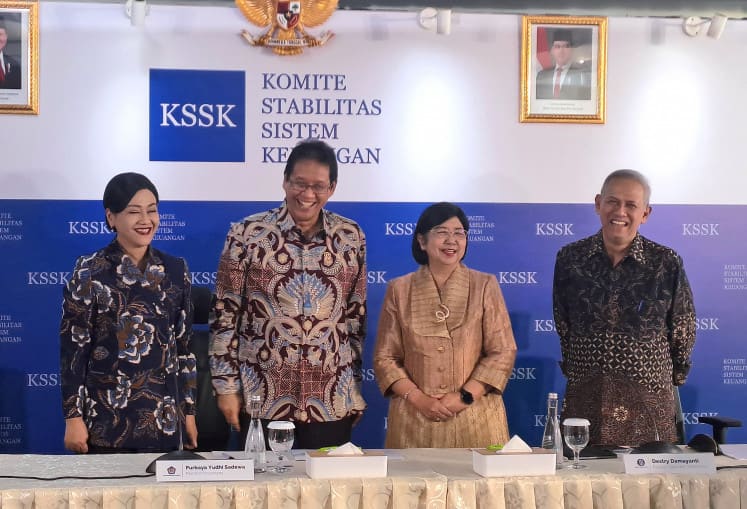
Warjiyo's sudden exit introduced a leadership gap at a moment when coordination between the central bank, the Financial Services Authority, and the Indonesia Deposit Insurance Corporation has become more critical. Damayanti attended a Financial System Stability Committee meeting with Prabowo in late July, signaling her role in that interagency process.
Indonesia's inflation trajectory, external debt servicing costs, and the trajectory of the Federal Reserve's policy all weigh on the central bank's decisions in the months ahead. A confirmed governor with a clear mandate will be better positioned to communicate policy direction to both domestic and foreign investors.
What Comes Next
The House will convene its fit-and-proper test once the legislative calendar resumes. Barring unexpected opposition, Damayanti is likely to be confirmed, given the absence of rival candidates and her incumbency advantage.
Market participants will watch for her first policy statement as confirmed governor, particularly any signals on the interest rate path and foreign exchange intervention strategy. The central bank's next scheduled policy meeting falls in mid-September, and clarity on leadership before that date would allow for smoother decision-making.
For now, Indonesia's monetary policy apparatus moves forward with a known quantity at the helm, ending weeks of speculation and providing a measure of predictability in an uncertain regional environment.
RELATED STORIES
Destry Damayanti Emerges as Top Candidate for Bank Indonesia Governor
Priyanka V. Rao · 3 min
Indonesia Names Interim Central Bank Chief as Sole Nominee for Permanent Role
Siti Nuraini · 2 min
Indonesia's Rupiah Defense Drains Reserves as Central Bank Rethinks Strategy
Siti Nuraini · 2 min

Indonesia Freezes Aid to 1.5 Million Families Over Gambling Flags
Siti Nuraini · 3 min
Spot something wrong? Email editor@briefasia.com. We log every correction publicly.