Asia · Trade
Tehran's New Conditions Push Brent Back Above $84
Iranian officials insist on U.S. compensation and sanctions relief before reopening the critical waterway, reversing last week's price slide
KEY TAKEAWAYS
- ·Brent crude rose $1.40 to $84.95 per barrel after Iran demanded U.S. compensation, sanctions relief, and an end to military threats before reopening the Strait of Hormuz.
- ·The waterway carried one-fifth of global oil and LNG before closure in late February, with Asian buyers absorbing over 60% of that flow.
- ·Houthi forces struck Saudi Aramco's Jazan refinery Sunday, two days after Riyadh formalized a defense pact with Turkey and Pakistan to counter Iranian influence.
Tehran Raises the Bar
Crude markets reversed course sharply Monday as Iranian officials outlined a list of preconditions for reopening the Strait of Hormuz, erasing much of the optimism that drove benchmarks down more than 7% the previous week. Brent futures climbed $1.40 to settle at $84.95 per barrel by midday in London, while West Texas Intermediate added $1.33 to reach $79.51.
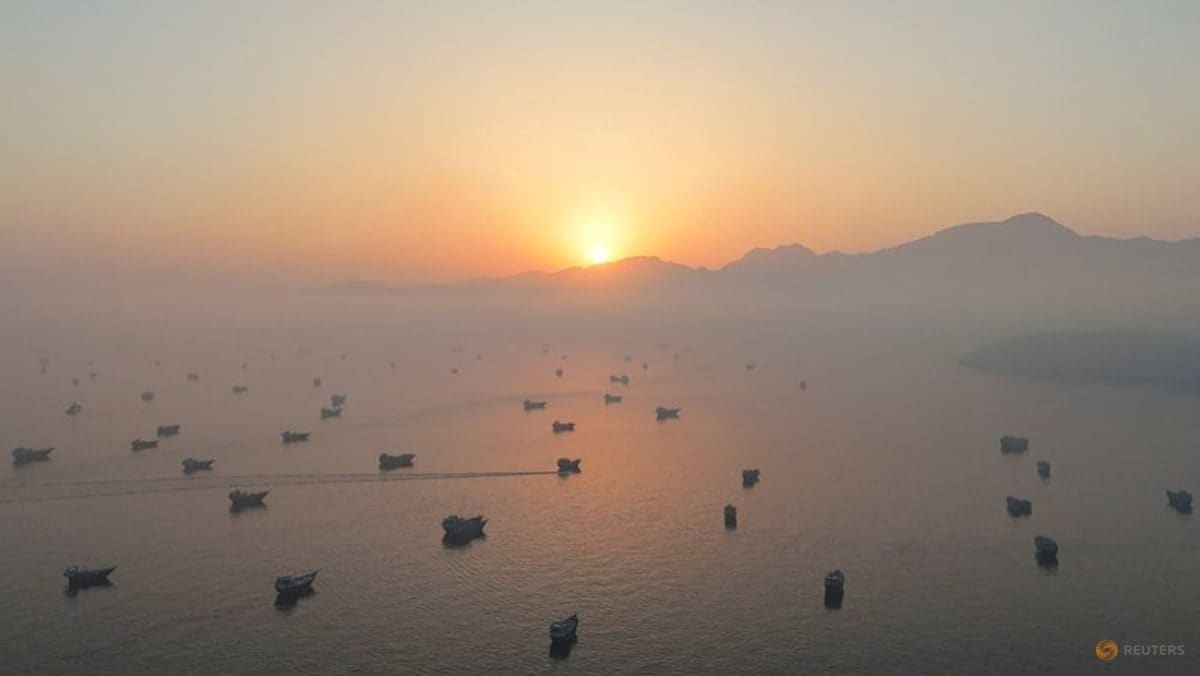
The strait, which carried roughly one-fifth of global oil and liquefied natural gas flows before hostilities erupted in late February, remains effectively shuttered despite ongoing technical discussions between Tehran and Muscat. Iranian Foreign Minister Abbas Araqchi said Sunday that while Iran and Oman are close to finalizing a framework for new shipping lanes, Washington must first deliver compensation, lift sanctions, and cease military posturing in the Gulf.
Araqchi also made clear that no direct talks between Tehran and Washington are underway, and none will begin while the U.S. continues to breach an interim agreement signed in June. The June pact, details of which remain largely confidential, was understood to include limited sanctions relief in exchange for de-escalation commitments.
The Arithmetic of Closure
The current price band of $80 to $85 per barrel reflects market participants betting on a near-term breakthrough rather than pricing in a prolonged disruption. Analysts at SEB Research noted that this relatively contained premium suggests traders believe a solution is imminent, even as the waterway remains closed to most commercial traffic.
Before the conflict, approximately 21 million barrels of crude and condensate transited the strait daily, alongside substantial volumes of LNG bound for Asian buyers. Japan, South Korea, India, and China together absorbed more than 60% of that flow, making the closure a direct supply risk for the region's largest economies.
Alternative routes exist but carry higher costs. Oil rerouted around the Cape of Good Hope adds roughly two weeks to voyage times and increases freight expenses by an estimated $2 to $3 per barrel. LNG cargoes face similar logistical penalties, contributing to elevated spot prices in Northeast Asian hubs.
Escalation Beyond the Strait
Regional instability extended beyond the Hormuz bottleneck over the weekend. Yemen's Houthi movement claimed responsibility for striking Saudi Aramco's Jazan refinery on Sunday, the latest in a series of attacks targeting Gulf energy infrastructure. The refinery, located near the Yemeni border, processes approximately 400,000 barrels per day of Arabian Heavy crude.
The timing of the Houthi strike is notable. It came two days after Saudi Arabia formalized a defense pact with Turkey and Pakistan, a Sunni coalition designed to counter what Riyadh perceives as growing Iranian influence across the Arabian Peninsula and Levant. The agreement includes provisions for joint naval patrols, intelligence sharing, and rapid-response protocols in the event of further infrastructure attacks.
Abu Dhabi National Oil Company disclosed Friday that 15 of its vessels have been targeted while attempting to navigate the strait since the conflict began. ADNOC did not specify whether the attacks resulted in cargo losses or casualties, but the figure underscores the persistent threat facing commercial shipping in Gulf waters.
Market Implications and Regional Hedging
Sugandha Sachdeva, founder of SS WealthStreet in New Delhi, warned that any meaningful progress toward restoring unrestricted passage could trigger a sharp selloff, particularly if spare capacity remains ample in key producing nations. Conversely, a collapse in negotiations or renewed attacks on tankers would likely push Brent back toward the $90 threshold seen in early July.
Asian refiners have responded by extending term contracts with producers outside the Gulf. Indian state refiners increased their purchases of U.S. shale crude by 18% in July, while Chinese independent refiners boosted imports from Brazil and West Africa. These shifts are reshaping traditional trade flows and may prove durable even if Hormuz reopens, as buyers seek to reduce concentration risk.
Singapore's role as a regional trading and storage hub has also expanded. Onshore and floating storage utilization in the city-state climbed to 92% in late July, up from 78% a year earlier, as traders position barrels to capitalize on contango structures and potential supply shocks.
What Comes Next
The diplomatic impasse shows little sign of breaking in the near term. Washington has not publicly responded to Tehran's latest demands, and U.S. officials have avoided detailed comment on the status of the June interim agreement. European intermediaries, including France and Germany, have offered to facilitate trilateral talks, but Iran has so far declined.
Meanwhile, the Saudi-led defense pact introduces a new variable. If Riyadh and its partners begin conducting more assertive naval operations in the Gulf, Tehran may perceive the moves as provocative, further complicating efforts to de-escalate. Turkey's participation is particularly significant, given Ankara's historical ties with Tehran and its NATO membership, which could pull the alliance into a regional crisis it has sought to avoid.
For now, the oil market is pricing in hope rather than certainty. Traders are betting that economic incentives on both sides will eventually override political brinkmanship. But with each passing week, the risk grows that temporary rerouting arrangements harden into permanent shifts, leaving the strait's eventual reopening less consequential than it would have been in March.
RELATED STORIES
Brent Crude Jumps 23 Percent as Iran Blocks Hormuz Exit
Priyanka V. Rao · 3 min
Brent Crude Climbs Past $84 as Hormuz Talks Stall on US Compensation Demand
Priyanka V. Rao · 4 min
Crude Prices Climb as Iran Tightens Grip on Hormuz Transit
Priyanka V. Rao · 3 min

Oil Drops $4 as Trump Delays Iran Strike for Nuclear Talks
Priyanka V. Rao · 3 min
Spot something wrong? Email editor@briefasia.com. We log every correction publicly.