Sustainability · Energy
Crude Prices Climb as Iran Tightens Grip on Hormuz Transit
Tehran's overnight strikes and proposed fee structure with Oman push Brent above $83, reversing earlier weekly losses
KEY TAKEAWAYS
- ·Brent crude rose 1.4 percent to $83.62 per barrel after Iran attacked targets near Qeshm Island in the Strait of Hormuz on August 6.
- ·Iran and Oman are negotiating a framework that would impose transit fees on hostile nations and bar US and Israeli vessels from the waterway.
- ·The standoff widens as Iran-backed Houthis launched attacks on Saudi-aligned forces in Yemen and threatened Red Sea shipping lanes.
Strait Attacks Reverse Week's Losses
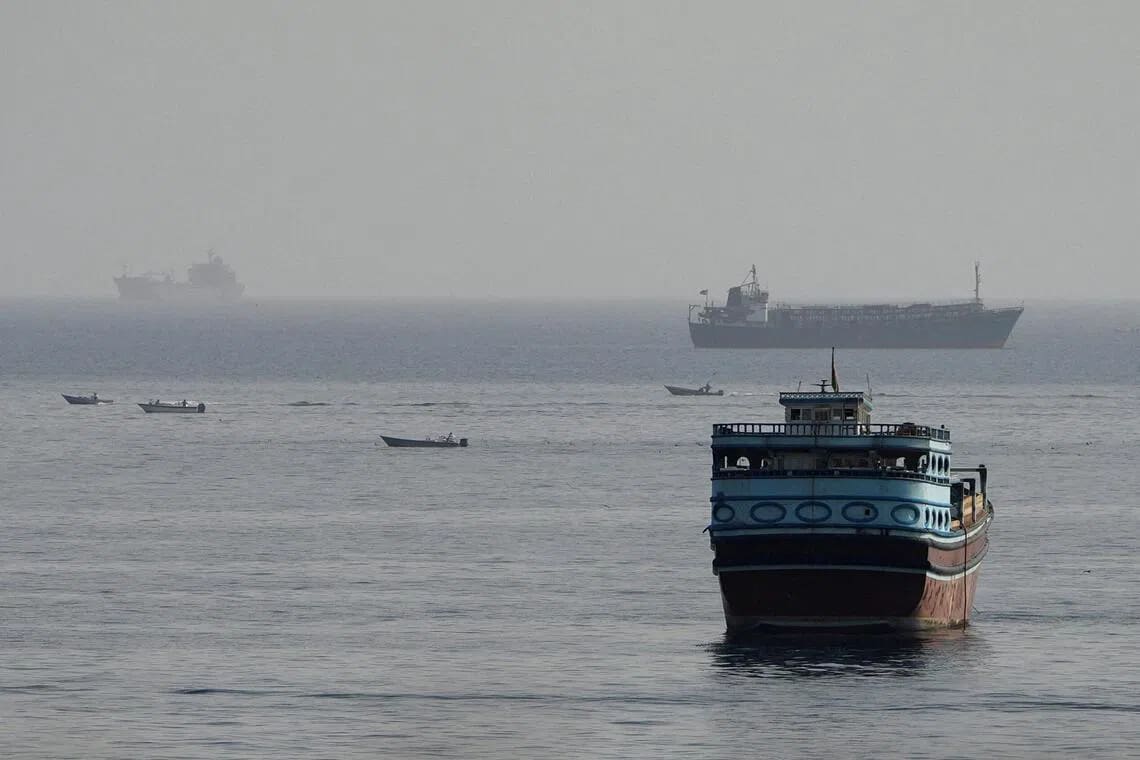
Oil markets reversed course sharply on August 7 as Iran conducted strikes on what it termed hostile targets near the Strait of Hormuz, wiping out most of the week's earlier declines. Brent crude jumped 1.4 percent to $83.62 per barrel by mid-morning Singapore time, building on the previous session's 4.9 percent surge. West Texas Intermediate climbed 1.2 percent to $78.25.
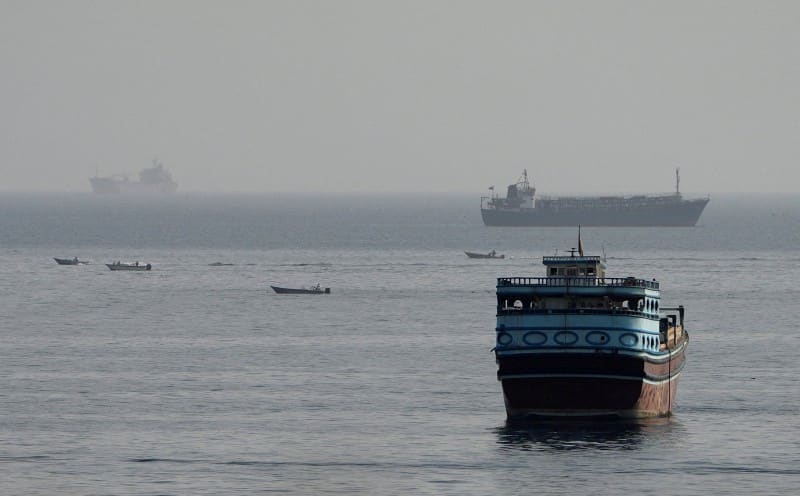
The attacks occurred on the night of August 6 local time, with explosions reported near Qeshm Island in the strait, according to Fars News Agency. The strikes came as Tehran negotiates terms with Oman over control of the waterway, a chokepoint through which roughly one-fifth of global oil supply traditionally flows.
Iran Pushes Fee Structure Over Free Transit
Under the emerging Iran-Oman framework, Tehran intends to bar US naval vessels from the strait and prohibit Israeli-flagged ships entirely. The proposal also includes a compensation mechanism requiring what Iran terms "hostile countries" to pay for passage through the waterway.
The fee structure represents a direct challenge to Washington's insistence on free transit and a return to pre-conflict norms. US President Donald Trump has maintained publicly that he expects the broader Middle East conflict to conclude soon, yet the positions of key parties remain far apart.
Rob Haworth, senior investment strategy director at US Bank Asset Management Group, noted that reopening deals remain out of reach. Transit levels through the strait continue to run well below historical norms, and the prospect of a durable agreement remains uncertain.
Regional Conflict Expands Beyond Gulf Waters
The Hormuz tension sits within a broader escalation across the region. Iran-backed Houthi forces announced a large-scale offensive against Yemen's Saudi-aligned government earlier this week. The militant group also claimed responsibility for attacking a Saudi tanker in the Gulf of Aden and issued fresh threats against shipping lanes in the northern Red Sea.
The widening scope of hostilities complicates efforts to restore energy flows from the Persian Gulf. Investor sentiment, which had briefly improved on hopes of a negotiated reopening, has now shifted as the diplomatic path narrows.
Asia's Energy Calculus Shifts
For Asian buyers, the Hormuz impasse forces a recalibration of supply chains and procurement strategies. Japan, South Korea, and India have historically relied on Gulf crude for a significant portion of their refinery feedstock. Prolonged disruption or the imposition of transit fees would raise landed costs and tighten regional spot markets.
Chinese refiners, already navigating US export controls on technology and capital goods, face an additional variable in their crude sourcing. Beijing has quietly increased purchases from Russia and expanded storage capacity, but Gulf barrels remain a cornerstone of the country's energy mix.
Singapore, the region's trading and refining hub, has seen increased volatility in its benchmark pricing as traders price in risk premiums for Middle Eastern cargoes. The city-state's role as a blending and transshipment center means Hormuz disruptions ripple quickly through Asian fuel markets.
What Comes Next
The immediate trajectory depends on whether Iran follows through with its fee proposal and how aggressively the US responds. Trump has previously warned Tehran of severe consequences if the strait remains closed, yet no military action has materialized beyond defensive postures.
Market participants are watching two parallel tracks: the diplomatic negotiations between Iran and Oman, and the broader US-Iran standoff over regional influence. A breakthrough on either front could send prices lower quickly, but the current momentum points toward sustained elevation.
For now, crude markets are pricing in a risk premium that reflects both supply uncertainty and the potential for further escalation. The next few weeks will test whether diplomacy can prevail or whether the standoff hardens into a longer-term restructuring of Gulf energy flows.
RELATED STORIES
Brent Crude Jumps 23 Percent as Iran Blocks Hormuz Exit
Priyanka V. Rao · 3 min
Oil Prices Drop Despite Middle East Tensions as Shipping Lanes Stay Open
Priyanka V. Rao · 3 min
Crude Markets Price in Hormuz Deal Uncertainty and Red Sea Tanker Strikes
Rajesh K. Iyer · 4 min
Oil Retreats as Iran-Oman Diplomatic Push Raises Hopes for Strait of Hormuz Reopening
Aiko Nakamura · 3 min
Spot something wrong? Email editor@briefasia.com. We log every correction publicly.