Sustainability · Energy
Oil Prices Drop Despite Middle East Tensions as Shipping Lanes Stay Open
Brent and WTI crude fell over 1% on Friday while maintaining a 20% monthly gain, as traders weigh maritime security risks against sustained flows through strategic chokepoints.
KEY TAKEAWAYS
- ·Brent crude fell $1.03 to $88 per barrel and WTI dropped $1.50 to $82.09, though both benchmarks are set for 20% monthly gains.
- ·Saudi Arabia is forming a 14-nation maritime defence coalition to protect energy routes through the Bab El-Mandeb Strait, Red Sea, and Gulf of Aden.
- ·Tanker traffic continues through the Strait of Hormuz and Red Sea despite security risks, but freight costs and insurance premiums have risen significantly.
Prices Ease on Continued Flows
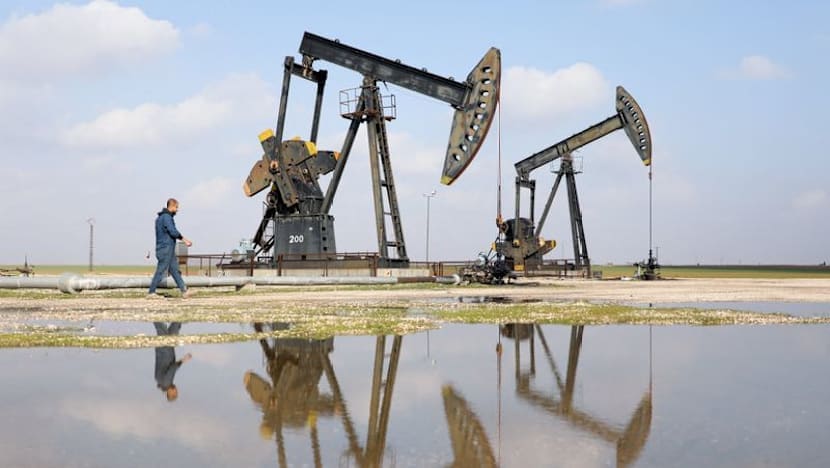
Oil prices retreated on Friday as supplies continued moving through critical maritime passages, tempering concerns over the ongoing US-Iran conflict. Brent futures dropped $1.03 to $88 per barrel by 0215 GMT, a decline of 1.2%, while West Texas Intermediate crude slipped $1.50 to $82.09, down 1.8%.
Despite the daily decline, both benchmarks remained on course for approximately 20% gains over the month, reflecting the market's sustained concern over Middle East supply security.
The pullback came as shipping data showed tankers continuing to navigate the Strait of Hormuz, the narrow waterway that typically handles roughly one-fifth of global crude oil and liquefied natural gas shipments. The strait has been under intense focus since late February, when the US-Israel military campaign against Iran began.
Maritime Coalition Takes Shape
Saudi Arabia announced efforts to establish a multinational defence coalition focused on protecting energy routes through the Bab El-Mandeb Strait, the Red Sea, and the Gulf of Aden. The Saudi defence ministry said 14 countries have signalled support for the initiative, including Djibouti, Egypt, Pakistan, Sudan, and Turkey.
The coalition proposal comes after Iran-aligned Houthi forces in Yemen declared a naval blockade targeting Saudi Arabia last week, threatening the kingdom's Red Sea oil export routes. Those routes serve as an alternative to the Strait of Hormuz for Saudi shipments.
While tanker traffic has persisted through both critical passages, the elevated security environment has pushed freight costs and insurance premiums higher. Industry participants report that vessel operators are demanding additional compensation for the heightened risks, embedding what traders describe as a significant geopolitical risk premium into crude prices.
Market Dynamics Shift
The price decline reflects a market recalibration as traders assess the gap between perceived threats and actual supply disruptions. Daniel Hynes, an analyst at ING, noted that rising Middle East tensions are being counterbalanced by evidence of increased flows through the Strait of Hormuz.
The contrast between Friday's retreat and the broader monthly rally illustrates the complex calculation facing oil markets. On one hand, the US-Iran conflict has introduced genuine supply risk to a region responsible for a substantial share of global energy exports. On the other, the physical movement of crude has continued with fewer interruptions than some market participants initially anticipated.
Priyanka Sachdeva, an analyst at Phillip Nova, observed that while prices have eased from recent peaks, the fundamental trend remains supportive. The geopolitical risk premium remains embedded in pricing despite the day-to-day fluctuations driven by shipping data.
Regional Security Concerns Persist
The Saudi-led coalition effort underscores the sustained anxiety among Gulf energy exporters about maritime security. The Red Sea and surrounding waters have become increasingly contested as regional powers manoeuvre for strategic advantage.
For Asian energy importers, the developments carry particular weight. Japan, South Korea, China, and India collectively depend on Middle Eastern crude for a significant portion of their consumption, making the security of these shipping lanes a matter of economic stability.
The elevated insurance and freight costs are likely to persist even if physical disruptions remain limited, as underwriters reassess risk models in light of the conflict. That dynamic ensures that some portion of the recent price increase will prove sticky, regardless of daily fluctuations in futures markets.
The coming weeks will test whether the Saudi coalition can provide sufficient reassurance to bring premiums down, or whether the market will continue pricing in the possibility of more severe disruptions.
RELATED STORIES
Oil Surges Past $88 as Tanker Attacks Choke Hormuz Strait
Priyanka V. Rao · 3 min
Crude Prices Climb as Iran Tightens Grip on Hormuz Transit
Priyanka V. Rao · 3 min

Brent Crude Climbs Past $93 as US Sanctions Threat Tightens Iran Oil Flows
Priyanka V. Rao · 3 min
Oil Markets Hold Steady as Lebanon Clashes and Hormuz Threats Complicate US-Iran Talks
Priyanka V. Rao · 3 min
Spot something wrong? Email editor@briefasia.com. We log every correction publicly.