Technology · Policy
Lithuania's Laser Industry Powers Taiwan's Chip Manufacturing Edge
A Baltic nation's Soviet-era research legacy has evolved into critical technology that underpins semiconductor production in Taipei, creating an unlikely strategic link in the global tech supply chain.
KEY TAKEAWAYS
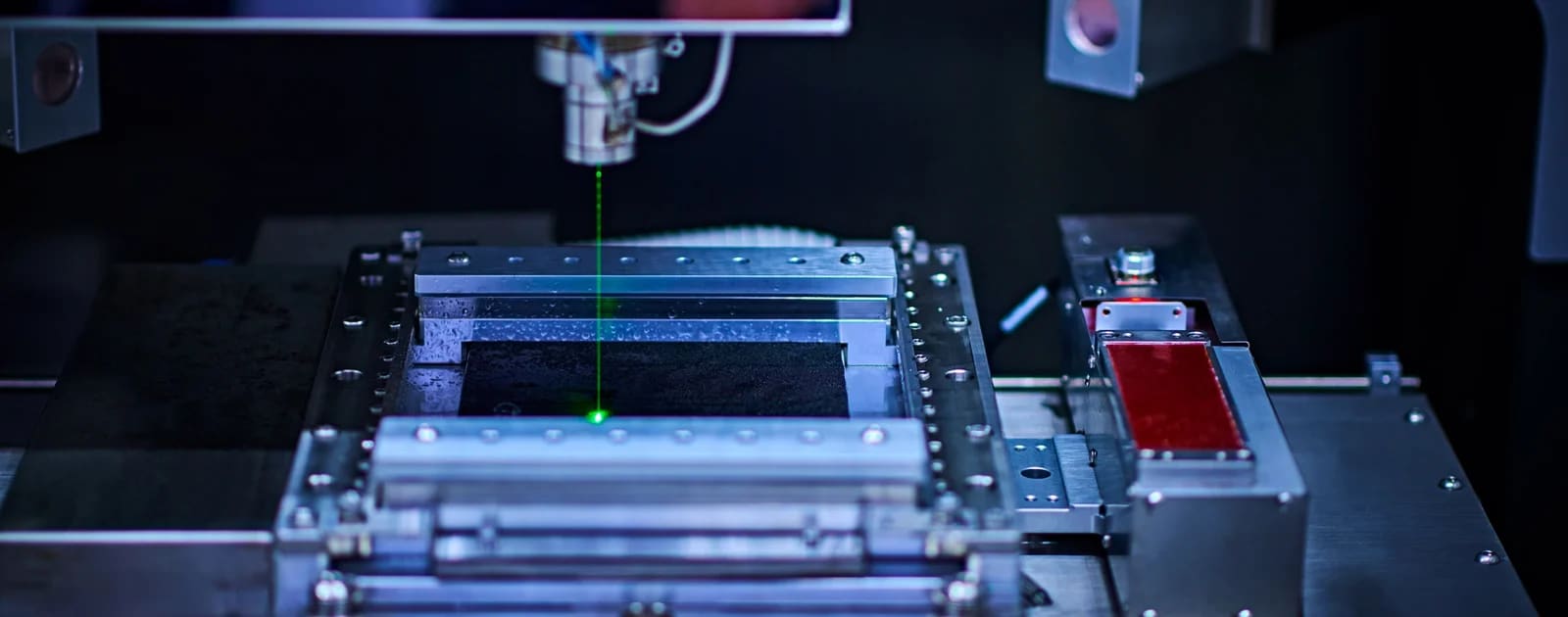
- ·Lithuania manufactures precision laser systems used in Taiwan's semiconductor fabs, equipment that originated from Soviet-era research programmes and now supports advanced chip production below 7 nanometres.
- ·The Baltic nation's closer ties with Taiwan, including a 2021 representative office naming dispute, triggered Chinese trade retaliation but laser exports to Asia continued growing by double digits.
- ·Taiwan's chipmakers are exploring alternative suppliers for critical laser equipment to reduce concentration risk, though full replacement would require multiple product cycles due to integration complexity.
From Soviet Labs to Semiconductor Fabs
Lithuania has positioned itself as a specialised manufacturer of precision laser systems that have become integral to Taiwan's semiconductor fabrication processes. The technology, rooted in research programmes that began during the Soviet period, now serves one of the most strategically important industries in the Indo-Pacific.
The Baltic state's laser sector supplies equipment used in photolithography and wafer inspection, processes essential to producing the advanced chips that power everything from smartphones to data centres. Taiwan Semiconductor Manufacturing Company and other Taiwanese foundries rely on such high-precision tools to maintain their technological lead in nodes below 7 nanometres.
Deepening Ties Amid Geopolitical Friction
The commercial relationship has intensified as Lithuania has sought closer engagement with Taiwan, a move that triggered sharp diplomatic and economic retaliation from Beijing. In 2021, Lithuania allowed Taiwan to open a representative office in Vilnius under the name "Taiwan" rather than "Taipei", breaking with diplomatic convention observed by most countries without formal ties to the island.
China downgraded diplomatic relations and imposed trade restrictions on Lithuanian exports. Yet the laser technology sector, which had already established supply contracts with Taiwanese chipmakers, continued to expand. Industry data shows Lithuanian laser equipment exports to Asia grew by double digits in the two years following the diplomatic row.
The Silicon Shield and Its Dependencies
Taiwan's dominance in advanced semiconductor manufacturing, often described as its "silicon shield", depends not only on in-house innovation but also on a network of specialised suppliers across Europe, Japan, and the United States. Lithuania occupies a niche within this ecosystem, providing components that are difficult to substitute quickly.
Laser systems used in extreme ultraviolet lithography and defect detection require years of development and testing before they can be integrated into high-volume production lines. Switching suppliers carries risk of yield loss and delays, making established vendors strategically valuable.
Vilnius has framed its technology exports as part of a broader alignment with democracies facing pressure from authoritarian states. Lithuanian officials have described trade with Taiwan as both an economic opportunity and a statement of principle, though they avoid explicit security language that might further antagonise Beijing.
Supply Chain Resilience Under Scrutiny
The reliance on a small number of suppliers for critical manufacturing equipment has drawn attention from policymakers in Taipei, Tokyo, and Washington. Efforts to diversify sourcing and build redundancy into semiconductor supply chains have accelerated, particularly for technologies subject to export controls or geopolitical risk.
Lithuania's geographic position within the European Union and NATO offers some insulation, but the episode underscores how vulnerable advanced manufacturing can be to political disruption. Taiwan's chipmakers have reportedly begun qualifying alternative suppliers for certain laser systems, though full replacement would take several product cycles.
The laser technology partnership illustrates a broader pattern in the semiconductor industry, where highly specialised firms in unexpected locations hold quiet but critical roles. As chip production becomes more geopolitically contested, these linkages will face growing scrutiny from governments seeking to secure their positions in the global technology hierarchy.
RELATED STORIES
Taiwan Indicts Nvidia Manager in Chip-Smuggling Investigation
Cheng Wei-Lun · 4 min
Eurasian Security Bloc Convenes as Shein Prices Hong Kong IPO
Cheng Wei-Lun · 3 min

Xiaomi Unveils 3nm Mobile Processor to Challenge Qualcomm and MediaTek
Cheng Wei-Lun · 3 min
Taiwan's National Security Council Expands Role in Defense Strategy
Cheng Wei-Lun · 3 min
Spot something wrong? Email editor@briefasia.com. We log every correction publicly.