Asia · Business
GAC and FAW Explore Merger of Toyota Joint Ventures in China
Two state-owned automakers consider consolidating their separate operations with the Japanese carmaker as Beijing pushes industry restructuring amid slowing demand
KEY TAKEAWAYS
- ·Guangzhou Automobile Group plans to acquire a stake in FAW Group's Toyota joint venture through share issuance, with transaction details expected within 60 days.
- ·The potential merger responds to Beijing's push for automotive consolidation as China's passenger car market faces overcapacity and slowing demand.
- ·A combined entity would control over 2 million vehicles in annual production capacity across 14 assembly plants in six provinces.
State-Owned Carmakers Move Toward Integration
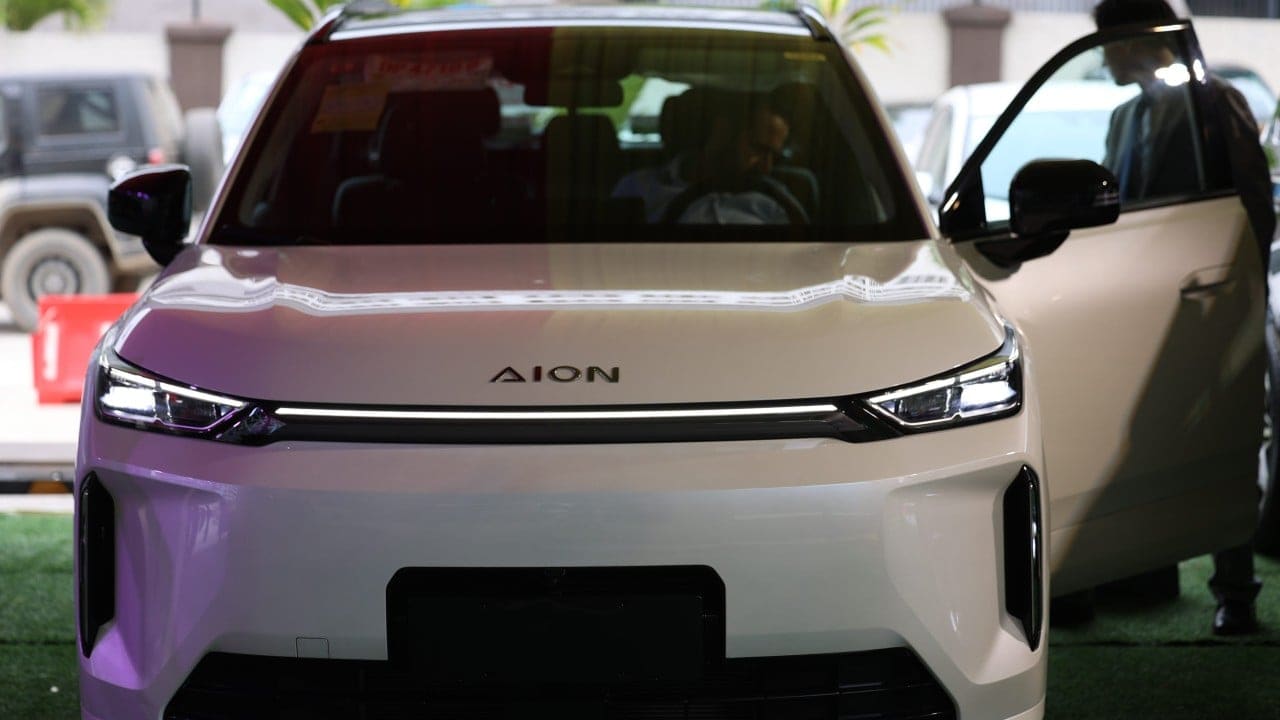
Guangzhou Automobile Group and FAW Group are considering a restructuring that would merge their separate joint venture operations with Toyota Motor, according to an exchange filing submitted Monday by the Guangzhou-based carmaker. GAC disclosed plans to acquire a stake in FAW's Toyota partnership through a share issuance and accompanying capital raise, though specific equity percentages and transaction values were not revealed.
The potential tie-up responds to central government directives urging consolidation across China's crowded automotive sector, where more than 100 manufacturers compete for market share in an environment of weakening demand. Both GAC and FAW currently operate independent 50-50 joint ventures with Toyota, established decades ago under regulations that required foreign automakers to partner with domestic firms. GAC Toyota, based in Guangzhou, produced 1.02 million vehicles in 2025, while FAW Toyota, headquartered in Tianjin, manufactured 980,000 units during the same period.
Regulatory Push Behind the Deal
Beijing has intensified calls for automaker mergers over the past 18 months as sales growth stagnates and overcapacity threatens profitability across the industry. The National Development and Reform Commission issued guidance in March 2025 encouraging state-owned enterprises to pursue "strategic reorganisations" that eliminate redundant production lines and reduce fixed costs. Provincial governments in Guangdong and Jilin, where GAC and FAW are respectively headquartered, have expressed support for collaborative restructuring that preserves employment while improving efficiency.
Toyota has not publicly commented on the proposed integration. The Japanese automaker faces mounting pressure in China from domestic electric vehicle manufacturers, including BYD and Geely, which captured a combined 38 per cent of the passenger car market in 2025 compared to Toyota's 9 per cent share. Combining the two joint ventures could streamline Toyota's China strategy by consolidating research, procurement, and distribution networks currently divided between the separate partnerships.
Market Reaction and Industry Implications
GAC shares rose 6.2 per cent in Shenzhen trading on Tuesday following the disclosure, while FAW's unlisted status prevented direct market assessment of investor sentiment. Analysts noted that the structure under discussion would likely see GAC emerge as the majority stakeholder in a unified entity, given its stronger balance sheet and more diversified product portfolio. FAW has struggled with legacy pension obligations and slower adoption of electrification technologies compared to its southern counterpart.
The contemplated deal represents one of the largest potential restructurings in China's automotive sector since SAIC Motor and Nanjing Automobile merged their operations in 2007. If completed, the combined Toyota joint venture would control annual production capacity exceeding 2 million vehicles and operate 14 assembly plants across six provinces. Industry observers expect the transaction to require approval from the State-owned Assets Supervision and Administration Commission, a process that typically takes six to nine months for deals of this scale.
Precedent for Further Consolidation
This move may set a template for similar combinations involving other foreign-Chinese partnerships. Honda operates parallel joint ventures with Dongfeng Motor and GAC, while Volkswagen maintains separate alliances with SAIC and FAW. Government planners have signalled a preference for reducing the number of joint ventures per foreign brand from two or three to a single, larger entity capable of competing more effectively with domestic pure-play EV manufacturers.
GAC indicated in its filing that the transaction remains subject to due diligence, board approval, and regulatory clearance. The company expects to publish detailed terms, including the equity swap ratio and cash component, within 60 days. Both carmakers have appointed financial advisers to structure the deal, with China International Capital Corporation advising GAC and CITIC Securities representing FAW. Toyota's participation in the negotiations will be essential to finalise governance arrangements for the merged joint venture, particularly regarding board composition and technology licensing terms.
RELATED STORIES
Volkswagen Probes Chinese Supplier After Hundreds of New Graduates Dismissed
Cheng Wei-Lun · 3 min
India's Chinese Import Bill Climbs Despite Self-Reliance Push
Priyanka V. Rao · 3 min
China's August Inflation Accelerates on Energy and Typhoon Disruption
Tran Quoc Bao · 2 min
China Imposes Anti-Dumping Measures on Japanese Semiconductor Chemical Imports
Jun-ho Seo · 3 min
Spot something wrong? Email editor@briefasia.com. We log every correction publicly.