Asia · Trending
China's August Inflation Accelerates on Energy and Typhoon Disruption
Factory-gate prices climbed 3.8 per cent year-on-year while consumer inflation reached 0.8 per cent, as oil costs and extreme weather drove costs higher despite weak domestic consumption.

KEY TAKEAWAYS
- ·China's producer price index rose 3.8 per cent year-on-year in August, while consumer inflation climbed to 0.8 per cent, both accelerating from July.
- ·Higher global oil and metal prices, alongside typhoon-related supply disruptions, accounted for much of the increase despite subdued domestic consumption.
- ·Beijing has expanded mortgage terms to 40 years and signalled readiness for additional fiscal support if economic conditions deteriorate further.
Energy Prices Drive Factory Costs Higher
China recorded faster inflation across both wholesale and retail levels in August, reflecting a combination of elevated global energy markets and domestic supply shocks. The producer price index climbed 3.8 per cent from the same month a year earlier, according to the National Bureau of Statistics, marking an uptick from July's 3.5 per cent gain. Consumer prices increased 0.8 per cent annually, up from 0.5 per cent the previous month.
The acceleration stems primarily from movements in international commodity markets. Crude oil and non-ferrous metal quotations have risen in recent months, amplifying input costs for Chinese manufacturers across multiple sectors, the statistics bureau noted. Geopolitical tensions in the Middle East have kept oil markets on edge, while semiconductor supply constraints linked to artificial intelligence demand have pushed up prices in technology-dependent industries.
Weather Events Compound Supply Pressures
Extreme weather added another layer of disruption. Typhoons and torrential rain swept through multiple provinces in August, hampering logistics networks, factory operations and building sites. The combined effect of energy inflation and weather-related bottlenecks contributed roughly 0.28 percentage points to the annual consumer price increase, according to Dong Lijuan, a statistician at the bureau.
Month-on-month, consumer prices rose 0.4 per cent in August, reversing a 0.1 per cent decline in July. Core inflation, which strips out volatile food and energy components, edged up to 1 per cent year-on-year from 0.9 per cent in July, signalling modest but persistent underlying price pressure.
Domestic Demand Remains a Brake
The inflation readings arrive against a backdrop of uneven economic momentum. Export growth has provided a buffer this year, yet household spending and private investment have struggled to regain traction. Policymakers have rolled out targeted measures to encourage consumption, including expanded loan-interest subsidies for individual borrowers and small private enterprises. The finance ministry signalled in August that additional fiscal support could be deployed if economic indicators weaken further.
Property market reforms have also been part of the policy mix. Beijing moved last month to tighten oversight of pre-sale practices and extended the maximum term for residential mortgages to 40 years, up from 30, in an effort to ease affordability constraints and stabilise a sector that has weighed on household confidence for more than two years.
Trade Tensions and Recovery Outlook
The inflation uptick does little to alter the fundamental challenges facing the economy. Trade frictions with major partners continue to cast uncertainty over export prospects, while consumption support measures have so far produced only piecemeal gains. Weather-related disruptions, though temporary, have underscored the vulnerability of supply chains to climate events during the summer monsoon season.
For now, inflation remains well within the central bank's comfort zone, leaving room for further stimulus if growth falters. The question is whether rising input costs will eventually filter through to consumer prices more broadly, or whether weak demand will continue to cap pricing power across the retail sector. August's data suggests both forces are at work, with energy and weather shocks providing a temporary lift even as the underlying demand picture stays subdued.
RELATED STORIES
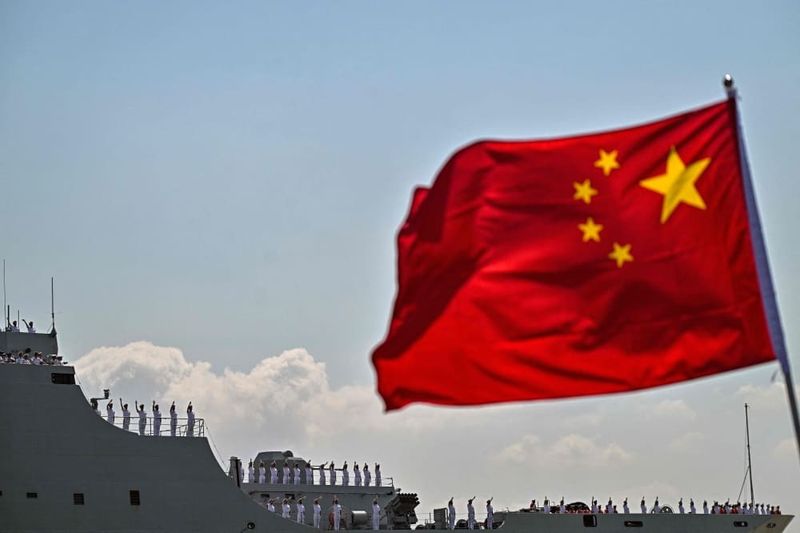
China's Manufacturing Index Holds Below Expansion Threshold for Second Month
Cheng Wei-Lun · 5 min
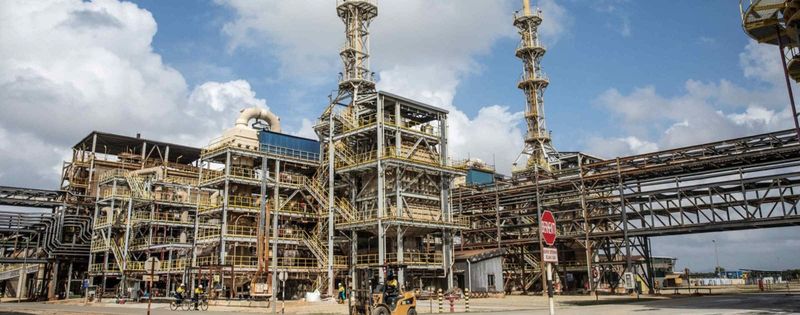
Malaysia's Rare Earth Deposits Draw Foreign Interest Ahead of China Export Controls
Priyanka V. Rao · 3 min
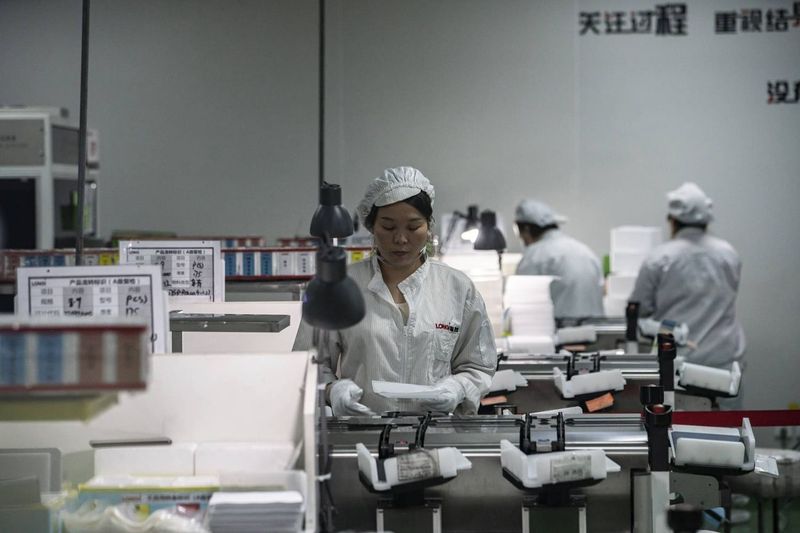
China Imposes Anti-Dumping Measures on Japanese Semiconductor Chemical Imports
Jun-ho Seo · 3 min
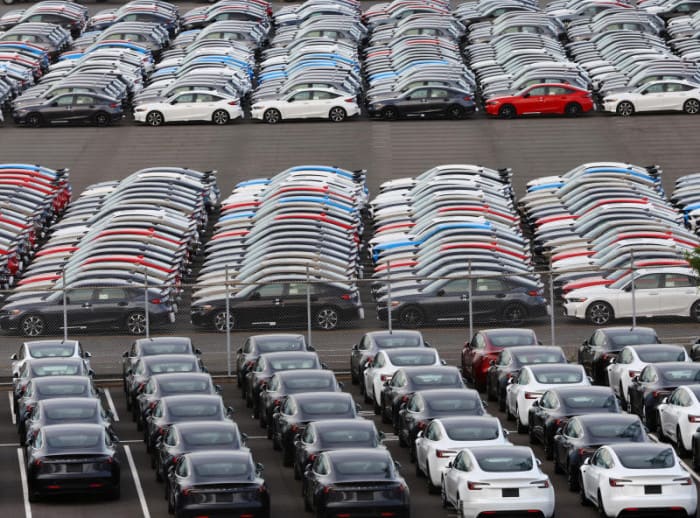
Honda Demands 30% Price Cuts From Suppliers in $9.4 Billion Cost Plan
Cheng Wei-Lun · 3 min
Spot something wrong? Email editor@briefasia.com. We log every correction publicly.