Asia · Trade
Malaysia's Rare Earth Deposits Draw Foreign Interest Ahead of China Export Controls
Japan and Western investors seek alternative critical mineral sources as Beijing prepares to enforce restrictions this fall
KEY TAKEAWAYS
- ·Malaysia is attracting increased foreign investment in its rare earth reserves as Japan and Western countries seek alternatives before China implements new export restrictions this fall.
- ·The country processed approximately 1,500 metric tons of rare earth oxides in 2025 through its Lynas facility, modest compared to China's dominance of 70 percent of mining and 90 percent of refining globally.
- ·Malaysia faces infrastructure and environmental challenges including radioactive waste management and the need for upgraded power and transportation links to scale production.
A Shift in Global Sourcing
Malaysia's critical minerals sector is experiencing heightened attention from international investors as countries seek alternatives to Chinese supply. The timing reflects growing anxiety over Beijing's plans to tighten export controls on rare earth elements and other strategic materials beginning this fall.
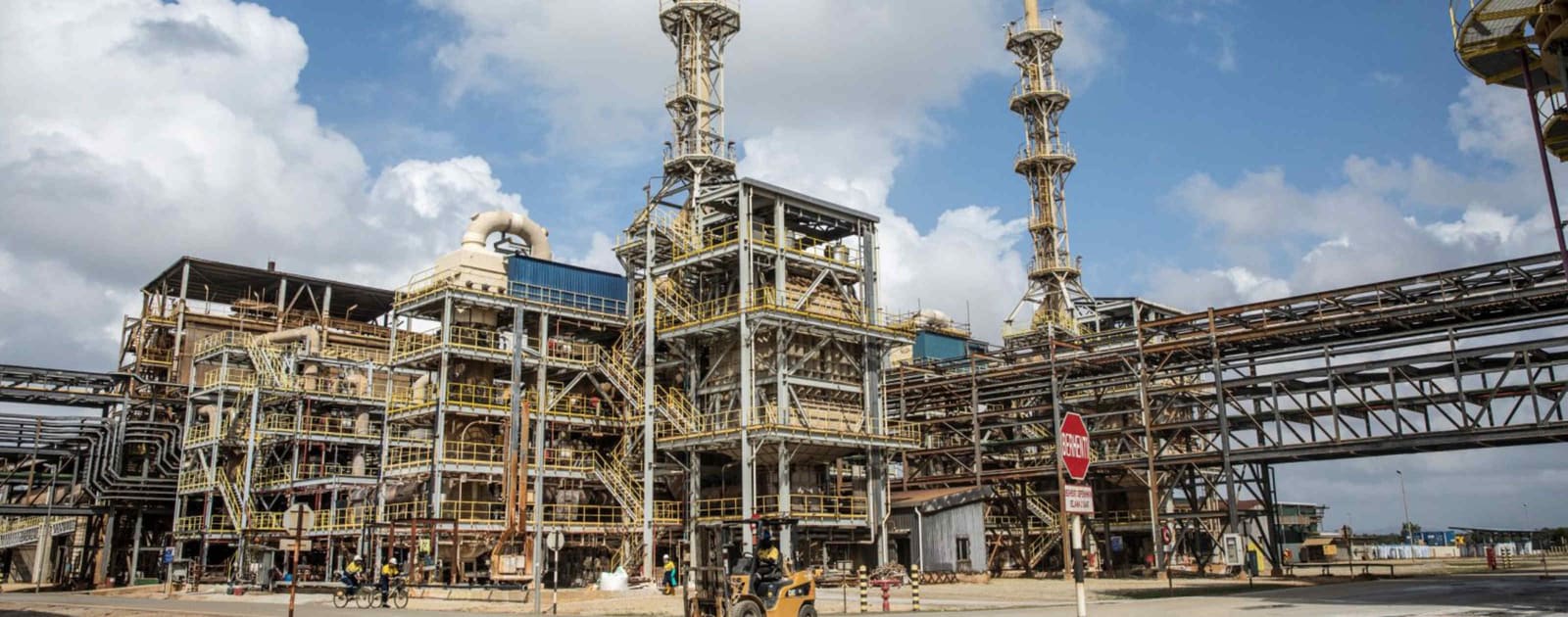
Japan and Western governments are accelerating efforts to secure access to Malaysia's rare earth deposits, part of a broader strategy to reduce dependence on China for materials essential to electric vehicles, renewable energy systems, and defense technologies. The country hosts facilities including Lynas Rare Earths' processing plant in Kuantan, one of the few significant rare earth operations outside China.
Why the Urgency
China currently dominates global rare earth production and processing, controlling roughly 70 percent of mining output and nearly 90 percent of refining capacity. The pending export restrictions represent Beijing's latest move to leverage this control, following earlier curbs on gallium and germanium exports introduced in 2023.
The new restrictions could affect multiple critical minerals used in semiconductors, batteries, and advanced manufacturing. Countries heavily reliant on Chinese supply are now racing to establish alternative sources before the controls take effect, creating a window of opportunity for Malaysia to expand its role in global supply chains.
Malaysia's Strategic Position
Malaysia holds proven reserves of rare earth elements, tin, and other critical minerals, though its production capacity remains modest compared to China. The country processed approximately 1,500 metric tons of rare earth oxides in 2025 through the Lynas facility, a fraction of China's output but significant in the context of non-Chinese supply.
The Southeast Asian nation offers several advantages to foreign investors: political stability, established mining regulations, proximity to Asian manufacturing hubs, and existing infrastructure for mineral processing. These factors make Malaysia an attractive alternative as companies and governments seek to build resilient supply chains.
Regional Competition
Malaysia is not alone in attracting attention. Australia, Vietnam, and Kazakhstan are also receiving increased investment in critical minerals projects. Australia holds the world's sixth-largest rare earth reserves and has been expanding production, while Vietnam possesses substantial deposits that remain largely undeveloped.
The competition creates pressure on Malaysia to move quickly. Developing new mining and processing capacity typically requires five to ten years, meaning projects initiated now will not contribute to supply until the early 2030s. Countries that secure partnerships and permits first will have a significant advantage.
Infrastructure and Environmental Hurdles
Expanding Malaysia's critical minerals industry faces practical challenges. Rare earth processing generates radioactive waste, a sensitive issue following controversies surrounding the Lynas plant, which faced local opposition over waste management concerns. Any expansion will require robust environmental safeguards and community engagement.
The country also needs to upgrade infrastructure, including power supply, water access, and transportation links to mining sites. Investment in technical expertise is equally critical, as rare earth refining requires specialized knowledge that Malaysia is still developing.
Looking Ahead
The current wave of interest represents a test of Malaysia's ability to capitalize on geopolitical shifts in critical mineral markets. Government officials have signaled openness to foreign investment while emphasizing the need for technology transfer and local job creation.
As China's export controls approach, the urgency driving current investment interest may intensify. Whether Malaysia can translate this moment into long-term supply chain partnerships will depend on how quickly it can address environmental concerns, build infrastructure, and scale up production capacity. For now, the country finds itself in the uncommon position of being courted by major economies seeking insurance against supply disruptions in a material that powers the modern economy.
RELATED STORIES

Proton Eyes 200,000 Units in 2026, Aiming for Best Sales Year Since 2011
Priyanka V. Rao · 3 min
Penang Captures 34% of Malaysia's Manufacturing Investment in First Half
Anand Sundaram · 2 min
Malaysia's Petronas Reports Steady Earnings Amid Energy Security Push
Priyanka V. Rao · 2 min
Malaysia's July Trade Surge Points to Strengthening Regional Demand
Priyanka V. Rao · 3 min
Spot something wrong? Email editor@briefasia.com. We log every correction publicly.