Asia · Business
Proton Eyes 200,000 Units in 2026, Aiming for Best Sales Year Since 2011
Malaysia's national carmaker sold 100,000 vehicles in the first half and is banking on electrified models and affordable tech to sustain momentum through year-end.
KEY TAKEAWAYS
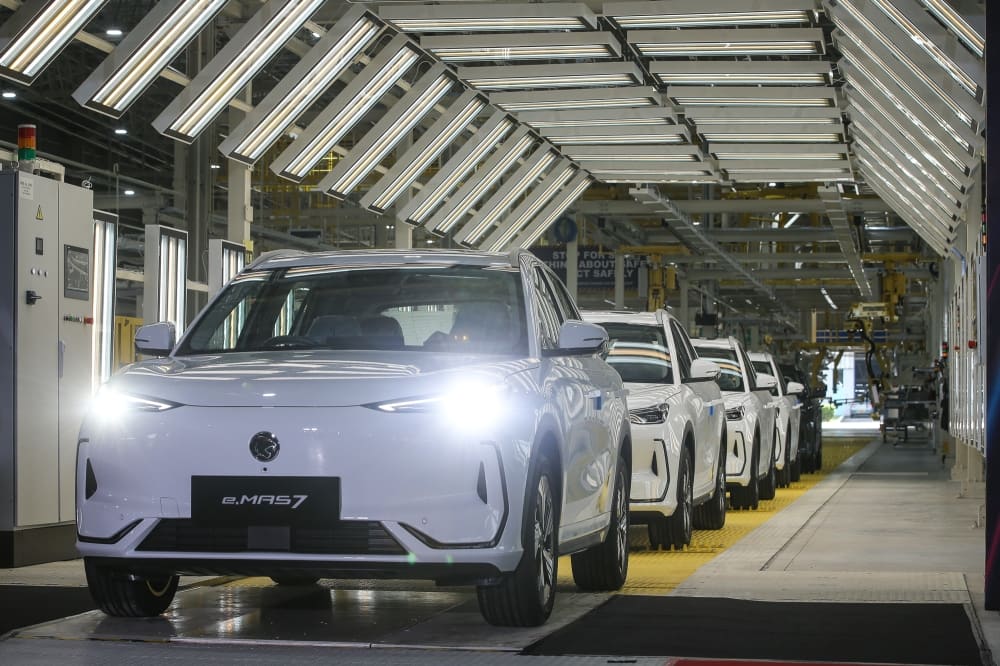
- ·Proton Holdings expects to sell 200,000 vehicles in 2026, its highest annual total in 15 years, after delivering 100,000 units in the first half.
- ·Electrified vehicles now represent 17 per cent of Proton's sales mix, positioning the Malaysian carmaker ahead of the government's 20 per cent target for 2030.
- ·The company is prioritizing local supply chain upgrades and mass-market availability of advanced driver assistance and hybrid powertrain technologies.
Target Built on First-Half Momentum
Proton Holdings expects to deliver 200,000 vehicles by the end of 2026, a figure that would represent the Malaysian carmaker's strongest annual performance since 2011. The company sold approximately 100,000 units in the first six months of this year and is counting on sustained demand through the second half to reach the milestone.
Deputy CEO Datuk Abdul Rashid Musa said the national automaker has recorded solid first-half numbers and anticipates continued support from the domestic market. The projection comes as Proton showcases core technologies at the Global Automotive and Technology Expo in Kuala Lumpur, where the company is highlighting hybrid powertrains, advanced driver assistance systems, and electronic architecture to a wider audience.
Electrified Vehicle Share Ahead of Policy Curve
Electrified vehicles, encompassing hybrid, plug-in hybrid, and fully electric models, now account for roughly 17 per cent of Proton's total sales volume. Abdul Rashid noted that the share positions the carmaker to support Malaysia's policy target of 20 per cent electrified vehicle adoption by 2030. Proton plans to introduce additional xEV models in the coming quarters.
The government has set emissions reduction and vehicle safety improvement as twin pillars of its automotive policy, and Proton's current electrified sales mix suggests the company is tracking ahead of the national timeline. Abdul Rashid said the carmaker intends to make technologies traditionally found in premium segments accessible at mass-market price points.
Technology Push Targets Mainstream Buyers
At the GATE Expo, Proton is displaying four technology areas: hybrid electric powertrains, electrical and electronic architecture, integrated head units, and advanced driver assistance systems. The exhibits are designed to give consumers a closer look at components and systems that typically remain hidden beneath bodywork and dashboards.
Abdul Rashid emphasized that Proton's role as a mass-market brand means these features must be available across the lineup, not reserved for top-tier variants. The company's powertrain work focuses on reducing emissions and improving fuel efficiency, while ADAS features aim to raise safety standards across the price spectrum.
Localisation and Ecosystem Upgrade
Modern vehicles incorporate far more electrical and electronic components than the mechanical parts that dominated production four decades ago, a shift that demands changes in both vehicle design and manufacturing processes. Abdul Rashid said Proton, as an original equipment manufacturer, has a responsibility to develop the local automotive supply chain to keep pace with these changes.
The company plans to work with domestic suppliers to strengthen local capacity and increase the share of components sourced within Malaysia. Abdul Rashid said the transformation requires upgrading the entire ecosystem to support Proton's growth trajectory and to ensure that local suppliers can produce the electronic and electrical parts now central to vehicle assembly.
Regional Ambitions Tied to Tech Transition
Proton views the ongoing shift toward electrification and digital architecture as an opportunity to reposition itself within Southeast Asia's automotive landscape. Abdul Rashid said the company aims to capitalize on the technology transition to update its product portfolio and manufacturing capabilities, with an eye toward making Malaysia a regional hub for automotive technology.
The carmaker's focus on affordability and local production aligns with broader industrial policy in Kuala Lumpur, where the government has sought to balance environmental targets with support for domestic manufacturing. Proton's ability to meet the 200,000-unit target will depend on whether consumer demand for electrified models continues to grow at the pace seen in the first half of the year.
The company's performance in 2026 will also serve as a test of whether Malaysia's push for higher electrified vehicle adoption can be sustained without heavy subsidies or import restrictions that have shaped EV markets in neighboring Thailand and Indonesia. For now, Proton is betting that accessible pricing and a widening model range will be enough to keep sales on track through December.
RELATED STORIES

Malaysian Rubber Prices Climb on China Restocking and Supply Risks
Priyanka V. Rao · 3 min

Southeast Asian Factories Adopt Proximity Planning to Retain Workers and Investors
Lim Hui Ying · 3 min

Malaysia's NCT and RHB Partner to Expand SME Access to Capital
Priyanka V. Rao · 3 min
Malaysia Eyes Domestic Arm-Based Chip Manufacturing by 2030
Cheng Wei-Lun · 2 min
Spot something wrong? Email editor@briefasia.com. We log every correction publicly.