Technology · Dev
Malaysia Eyes Domestic Arm-Based Chip Manufacturing by 2030
Eight local firms now hold technology access tokens as Kuala Lumpur pushes to move beyond design into semiconductor fabrication
KEY TAKEAWAYS
- ·Malaysia has distributed eight Arm technology access tokens to local firms, targeting commercial chip production by 2030 after a three-year design cycle ending in 2028.
- ·Oppstar Technology and Alphaswift Industries are the latest recipients of Arm Compute Subsystem and Flexible Access licenses, joining four companies already in the design phase.
- ·Kuala Lumpur mandates that participating firms recruit highly skilled Malaysian engineers and establish domestic fabrication, not just design operations, to build end-to-end semiconductor capabilities.
Race to Domestic Fabrication
Malaysia has set a 2030 target for bringing domestically designed chips based on Arm Ltd technology into commercial production, marking a deliberate push to transform its semiconductor sector from assembly-focused operations into integrated design and manufacturing.
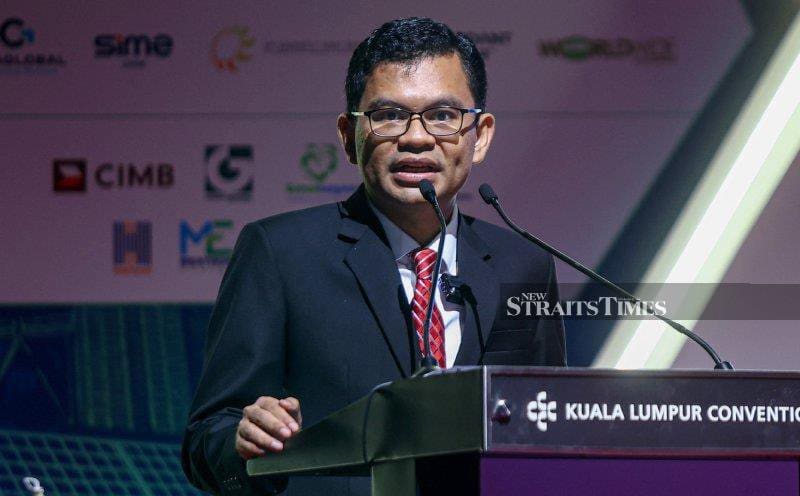
Economy Minister Akmal Nasrullah Mohd Nasir outlined the timeline this week, noting that four local companies currently evaluating Arm intellectual property are expected to complete chip designs by 2028. The additional two years account for manufacturing setup, testing cycles, and commercial validation with identified customers.
Two additional firms, Oppstar Technology Sdn Bhd and Alphaswift Industries Sdn Bhd, received offer letters for access to Arm Compute Subsystem technology and the Arm Flexible Access programme. That brings the total number of technology access tokens distributed under Malaysia's Arm collaboration to eight, split evenly between CSS and AFA licenses.
Design Timeline and Market Readiness
The first token was granted in late 2025, initiating a three-year design cycle that Akmal Nasrullah described as standard for complex integrated circuit development. Companies are evaluating different IP blocks depending on their target applications and technical specifications.
CSS access enables development of custom chips or IP for sectors including automotive automation and server infrastructure. The economic value of each token varies based on the underlying technology, supply chain positioning, and customer pipeline, according to the minister.
Kuala Lumpur is emphasizing that the collaboration must result in physical chip manufacturing within Malaysia, not merely design work or IP licensing. The government views the initiative as a vehicle for building end-to-end semiconductor capabilities, including fabrication capacity that has historically been concentrated in Taiwan, South Korea, and select Chinese provinces.
Talent Mandate
Participating companies are required to recruit highly skilled Malaysian engineers as a condition of receiving technology access. The mandate reflects concerns that previous waves of semiconductor investment in Malaysia, particularly in assembly and test operations, created limited opportunities for local engineering talent in advanced design roles.
The four companies already in the design stage are working through IP evaluation, selecting components that align with their chip specifications and market focus. Testing and customer qualification will extend the timeline beyond initial design completion, with commercial production targeted for the 2030 window.
Malaysia's semiconductor sector has historically centered on back-end operations, with multinational firms operating large-scale packaging and test facilities in Penang and other northern states. The shift toward design and fabrication represents a strategic recalibration as global supply chains diversify and governments across Asia compete for higher-value semiconductor activity.
The 2030 target places Malaysia on a parallel track with other Southeast Asian nations exploring chip design and manufacturing expansion. Vietnam has attracted investment from Intel and Samsung in assembly operations, while Singapore hosts advanced packaging facilities and design centers. Thailand is positioning for power semiconductor production tied to electric vehicle supply chains.
Whether Malaysia can translate technology access into operational fabs and commercial chip volume by decade's end will depend on capital availability, customer commitments, and the speed at which local firms can navigate the design-to-production cycle. The eight tokens represent a starting point, but the economics of semiconductor manufacturing typically require scale and sustained investment well beyond initial design milestones.
RELATED STORIES

YTL Power Targets 2.4 Gigawatts of Data Center Capacity in Malaysia by 2030
Priyanka V. Rao · 3 min
Chinese Manufacturers in Malaysia Struggle to Build Local Teams
Cheng Wei-Lun · 4 min

Telekom Malaysia Eyes Role in National Submarine Cable Project
Priyanka V. Rao · 3 min

Sunway Construction Wins $257 Million Contract From US Tech Multinational
Cheng Wei-Lun · 3 min
Spot something wrong? Email editor@briefasia.com. We log every correction publicly.