Asia · Trade
Honda and Nissan Face Supply Chain Disruption as US Tariffs Target Canadian Auto Exports
New trade measures threaten Japanese manufacturers' North American production networks, with Ontario plants particularly exposed
KEY TAKEAWAYS
- ·The United States has introduced tariffs on vehicles assembled in Canada, directly affecting Honda and Nissan operations in Ontario that serve the North American market.
- ·Japanese automakers built decades of cross-border supply chain integration under duty-free trade frameworks, now facing cost pressures that may require production shifts or absorbed expenses.
- ·The policy change forces long-term reassessment of Canadian manufacturing investments, with companies weighing tariff exposure against established infrastructure and supplier networks in Ontario.
Cross-Border Production at Risk
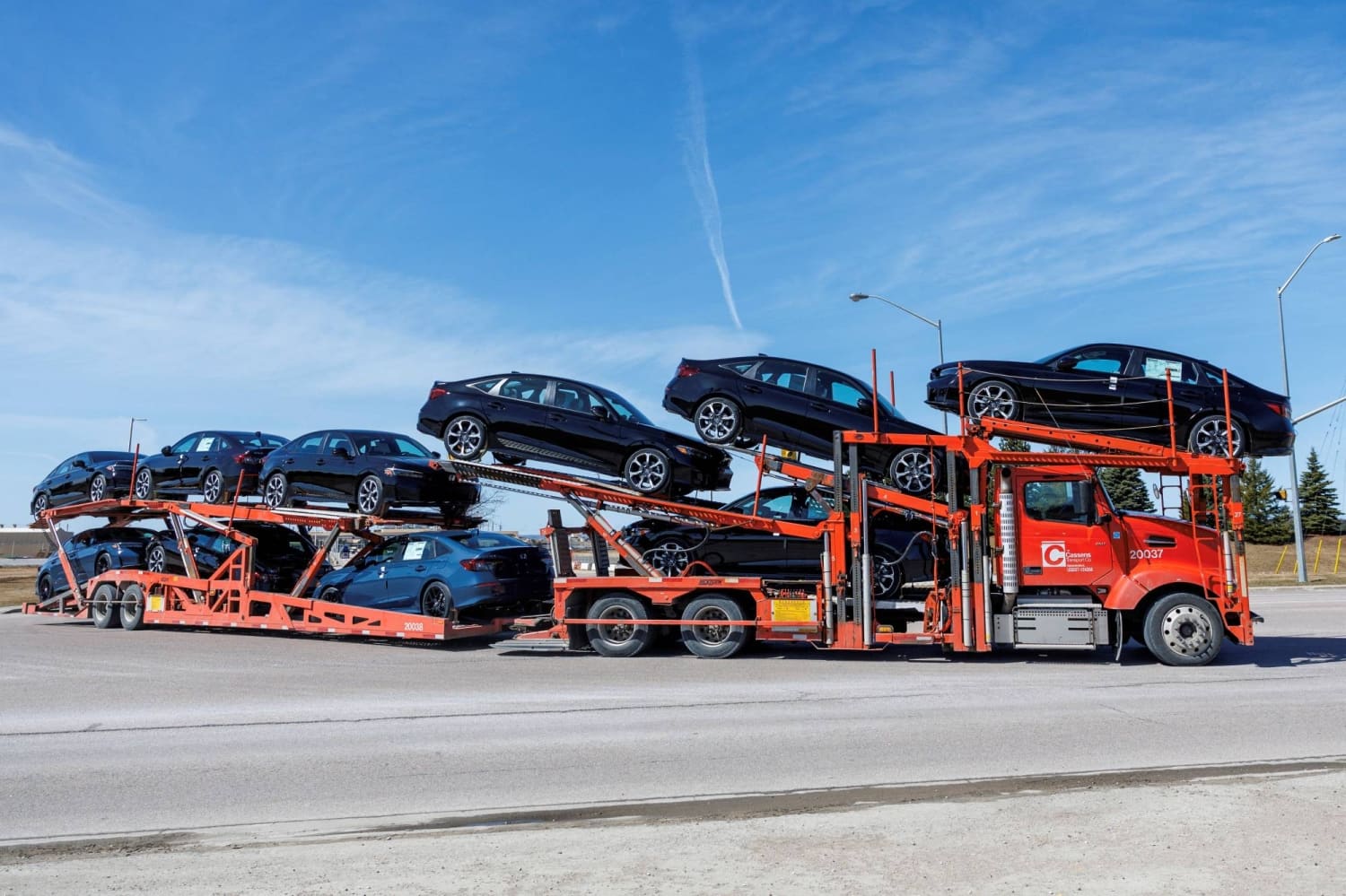
Japanese automakers with manufacturing footprints in Canada are bracing for disruption following the United States' decision to impose tariffs on vehicles assembled north of the border. The move directly affects companies that have spent decades building integrated North American supply networks, with Honda and Nissan operating significant production capacity in Ontario.
Honda's Alliston, Ontario facility represents one of the largest Japanese automotive investments in Canada, producing popular models destined for both Canadian and US markets. The plant has historically benefited from duty-free movement of vehicles and components under North American trade agreements, a framework now under pressure from shifting US trade policy.
The tariff announcement marks a departure from the seamless cross-border integration that has defined North American auto manufacturing for a generation. Japanese manufacturers structured their continental operations around the assumption that vehicles and parts could move freely between Canada, the United States, and Mexico, optimizing production costs and supply chain efficiency.
Ontario's Manufacturing Hub Under Scrutiny
Canada's automotive sector, concentrated in Ontario, has long served as a manufacturing base for companies serving the broader North American market. Beyond Honda, Nissan and Toyota maintain assembly or component operations in the province, employing thousands and supporting extensive supplier networks.
The new tariffs introduce cost pressures that could make Canadian production less competitive for vehicles bound for the United States, the largest single market for cars assembled in Ontario. Japanese automakers now face decisions about whether to absorb higher costs, shift production to US facilities, or reduce Canadian output.
Industry analysts note that reconfiguring automotive supply chains requires years of planning and capital investment. Assembly plants cannot easily relocate, and supplier relationships built over decades represent embedded infrastructure that companies are reluctant to abandon without clear long-term policy direction.
Strategic Calculus for Japanese Manufacturers
Japanese automakers have historically approached North American manufacturing with a long-term perspective, making large capital commitments based on stable trade conditions. Honda, Nissan, and Toyota collectively invested billions in Canadian facilities, viewing the country as a stable, skilled manufacturing base with favorable access to US consumers.
The tariff shift forces a reassessment of that calculus. Companies must now weigh the costs of tariff exposure against the benefits of Canadian production, including lower labor costs relative to some US states, a favorable exchange rate environment, and established supplier ecosystems.
For Honda specifically, the Alliston plant has been a cornerstone of its North American strategy, producing vehicles across multiple segments. Any significant disruption to its Canadian operations would ripple through the company's continental production planning and dealer supply networks.
Regional Implications and Policy Uncertainty
The tariff measures arrive as the global automotive industry navigates a broader transformation toward electrification and new manufacturing paradigms. Japanese automakers are simultaneously investing in battery production, EV platforms, and software capabilities while managing the immediate challenges of trade policy volatility.
Canadian officials have historically defended the country's automotive sector as integral to North American competitiveness, pointing to the skilled workforce and established infrastructure. How Ottawa responds to the US tariffs, whether through diplomatic negotiation or retaliatory measures, will shape the operating environment for Japanese manufacturers in the coming months.
The situation underscores the vulnerability of cross-border manufacturing networks to policy shifts. For Japanese automakers, the Canada tariff scenario is part of a larger pattern of trade uncertainty that has included previous US tariff threats on vehicles from Mexico and ongoing tensions over semiconductor supply chains.
As companies assess their options, the immediate impact will likely be felt in quarterly earnings, production planning, and capital allocation decisions. The longer-term question is whether North American auto manufacturing will remain integrated or fragment along national lines, with Japanese manufacturers forced to choose where to concentrate future investments.
RELATED STORIES

Japan's Finance Ministry Eyes 3.8% Debt Servicing Rate Amid Rising Bond Yields
Aiko Nakamura · 3 min

Celltrion Launches IV Version of SteQeyma in Japan's Growing Biologics Market
Cheng Wei-Lun · 3 min

Kubota Expands Indian Production to Target Western Markets
Priyanka V. Rao · 3 min

Thailand Urged to Tie EV Investment to Local Supply Chain Development
Priyanka V. Rao · 3 min
Spot something wrong? Email editor@briefasia.com. We log every correction publicly.