Asia · Politics
Japan's Finance Ministry Eyes 3.8% Debt Servicing Rate Amid Rising Bond Yields
The proposed rate for fiscal 2027 would mark a 29-year high, reflecting mounting pressure on Tokyo's public finances as 10-year JGB yields approach 3%
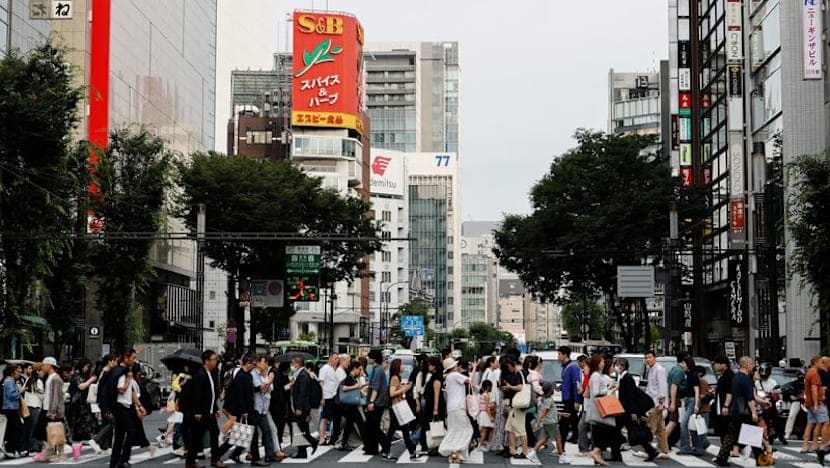
KEY TAKEAWAYS
- ·Japan's finance ministry is preparing to set the assumed interest rate for debt servicing at 3.8% in the fiscal 2027 budget request, the highest in 29 years and up from 3.0% this year.
- ·The 10-year Japanese government bond yield hit 2.945% this week, a three-decade high, driven by investor concerns over slow rate hikes and expansionary fiscal policy under Prime Minister Takaichi.
- ·Rising debt servicing costs threaten Takaichi's growth investment agenda and highlight mounting fiscal strain as Japan's gross public debt approaches 260% of GDP.
A 29-Year High
Japan's finance ministry is preparing to set the assumed interest rate for calculating debt servicing costs at 3.8% in its budget request for fiscal 2027, according to two government officials familiar with the matter. The figure would represent the highest level in 29 years and a substantial jump from the 3.0% rate used in the current fiscal 2026 budget.
The officials, who requested anonymity given the sensitivity of budget deliberations, confirmed the ministry's planning. The move underscores the fiscal strain Tokyo faces as long-term interest rates climb and the government navigates competing pressures between fiscal discipline and growth-oriented spending.
Bond Market Pressure
The backdrop to this decision is a bond market showing signs of stress. On Tuesday, the yield on Japan's benchmark 10-year government bond reached 2.945%, a three-decade peak. The surge reflects investor concerns about the pace of monetary policy normalization by the Bank of Japan and the expansionary fiscal stance championed by Prime Minister Sanae Takaichi.
For years, Japan's massive public debt load, the largest among advanced economies relative to GDP, was manageable thanks to rock-bottom interest rates engineered by decades of ultra-loose monetary policy. That calculus is shifting. As the central bank inches away from its long-standing yield curve control framework, borrowing costs are rising, and the government must budget accordingly.
The assumed interest rate the finance ministry uses in budget planning serves as a projection for what the government expects to pay on new bond issuance and refinancing of existing debt. A higher assumed rate directly translates into larger debt servicing expenses in the budget, crowding out space for other spending priorities.
Takaichi's Fiscal Gamble
The rising debt servicing burden poses a direct challenge to Prime Minister Takaichi's economic agenda. Since taking office, she has advocated for aggressive fiscal spending aimed at spurring growth in strategic sectors, including semiconductors, green technology, and digital infrastructure. Her administration has framed this approach as essential to breaking Japan out of decades of stagnation and positioning the country competitively against China and other regional rivals.
However, the bond market's reaction suggests investors are wary. The combination of slow interest rate hikes by the Bank of Japan and the government's expansionary fiscal policy has created uncertainty about debt sustainability. Higher yields make it more expensive for Tokyo to finance its ambitions, and the widening gap between revenue and expenditure becomes harder to bridge.
Japan's gross public debt stands at roughly 260% of GDP, a legacy of years of stimulus spending, demographic decline, and sluggish growth. While domestic investors have historically absorbed the vast majority of government bonds, keeping yields low, that dynamic is under pressure as the central bank tapers its bond purchases and private investors demand higher returns.
Regional Context
Japan's fiscal challenges are unfolding as other major Asian economies grapple with their own debt and interest rate dynamics. China is managing local government debt risks while trying to stimulate a slowing economy. India is balancing infrastructure investment with fiscal consolidation targets. South Korea faces rising household debt and external financing pressures.
In this environment, Tokyo's ability to maintain investor confidence while pursuing growth-oriented policies is being closely watched. A loss of confidence could trigger a sharper sell-off in JGBs, pushing yields even higher and forcing more painful fiscal adjustments.
The finance ministry's decision to raise the assumed rate to 3.8% is both a pragmatic acknowledgment of market realities and a signal of the constraints ahead. Budget negotiations for fiscal 2027 will likely involve difficult trade-offs between debt servicing costs, social spending on an aging population, and the investment programs Takaichi has prioritized.
What Comes Next
The final budget request will be formalized in the coming weeks, with the assumed interest rate serving as a key parameter for debt servicing cost projections. If bond yields continue to rise or remain elevated, the actual debt servicing burden could exceed even the 3.8% assumption, forcing mid-year budget adjustments or additional borrowing.
For now, the ministry's move reflects a sober assessment of where Japan's fiscal trajectory is heading. The era of near-zero borrowing costs is over, and Tokyo must navigate a more expensive and uncertain fiscal landscape. How Takaichi's administration balances growth ambitions with fiscal sustainability will define Japan's economic policy for years to come.
RELATED STORIES
Japan's Finance Ministry Pushes to Fold Supplementary Spending Into Main Budget
Aiko Nakamura · 2 min

Japan Scrambles to Fund $63 Billion Budget Gap From Food Tax Cut and Defense Push
Cheng Wei-Lun · 3 min
Japan Plans to Raise Assumed Bond Rate to 3.8% by Fiscal 2027
Aiko Nakamura · 3 min
Japan's Factory Orders Jump to Eight-Year High on Chip and AI Demand
Aiko Nakamura · 3 min
Spot something wrong? Email editor@briefasia.com. We log every correction publicly.