Asia · Business
Japan's Factory Orders Jump to Eight-Year High on Chip and AI Demand
Manufacturing PMI climbed to 55.1 in August as semiconductor-related industries drive the strongest order growth since early 2018
KEY TAKEAWAYS
- ·Japan's manufacturing PMI climbed to 55.1 in August from 54.5 in July, with new orders rising at the fastest rate since January 2018 driven by semiconductor and AI demand.
- ·Services activity also strengthened to 52.3 from 51.2, pushing the composite output index to 53.4, its highest level since February 2026.
- ·Business confidence reached a six-month high as manufacturers expect higher sales and stronger market conditions, while input cost inflation eased to a five-month low.
Manufacturing Momentum Builds
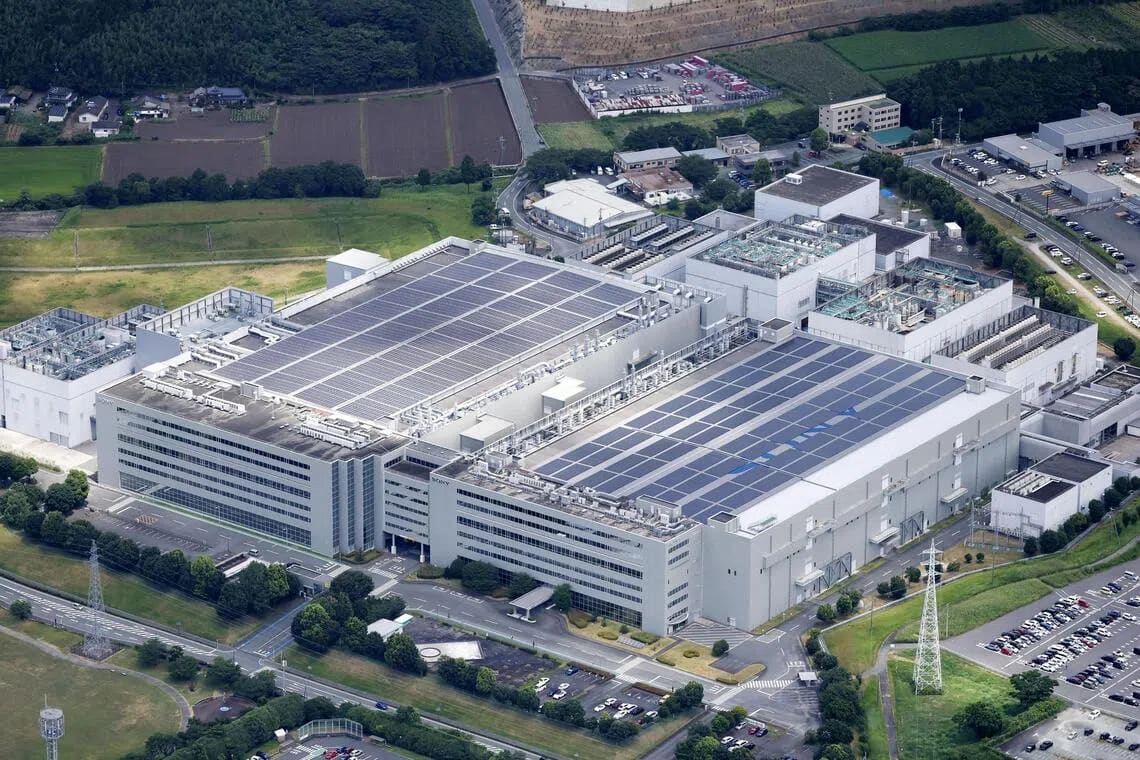
Japan's factory sector recorded its sharpest order expansion in more than eight years during August, propelled by surging demand from semiconductor and artificial intelligence industries. The S&P Global Flash Japan Manufacturing Purchasing Managers' Index reached 55.1, up from 54.5 the previous month, according to preliminary data released August 21. Any reading above 50 signals expansion.
The acceleration marks a notable shift for Asia's second-largest advanced economy, which has struggled with uneven growth patterns throughout the year. New orders climbed at the fastest rate since January 2018, while total sales and overseas demand posted their steepest increases in more than eight and a half years.
Tech Sectors Lead the Charge
Semiconductor and AI-related industries emerged as the primary drivers behind the manufacturing surge. Companies reported robust demand from these technology segments, fueling both domestic production and export orders. The trend aligns with broader regional patterns, where economies hosting advanced chip manufacturing or AI infrastructure have captured disproportionate investment flows.
Manufacturing firms expanded their workforce in August and increased input purchases to meet rising demand. Supply chains showed signs of strain, with delivery times lengthening significantly as factories ramped up operations. Inventory levels of purchased goods rose only marginally, suggesting companies remain cautious about overstocking despite the order surge.
Services Join the Expansion
The services sector also strengthened during the month. The S&P Global Flash Japan Services PMI Business Activity Index climbed to 52.3 from 51.2, contributing to a composite output index of 53.4, the highest reading since February. The dual-sector expansion suggests the economy is finding firmer footing after second-quarter GDP data showed slower growth, which analysts attributed to temporary factors.
Annabel Fiddes, economics associate director at S&P Global Market Intelligence, noted that factories continued to outpace services in driving overall growth, registering sharp increases across production and new orders. The manufacturing sector's performance becomes particularly significant given Japan's traditional strength in precision manufacturing and its central role in regional supply chains.
Cost Pressures Moderate, Confidence Rises
Input cost inflation eased to a five-month low across the private sector, down from near-record levels recorded in June. The moderation offers some relief to companies navigating persistent price pressures. However, firms continued to raise selling prices for goods and services at one of the steepest rates on record, passing costs through to customers.
Business sentiment improved to its highest level since February, with manufacturers displaying greater optimism than their services counterparts. Companies attributed their positive outlook to expectations of higher sales volumes, expanded operational capacity, and stronger overall market conditions in coming months.
The confidence readings carry weight in Japan's current economic context. After years of deflation and subdued corporate investment, sustained optimism among manufacturers could translate into capital expenditure and wage increases, both priorities for policymakers seeking durable growth.
Regional Implications
Japan's manufacturing resurgence has ripple effects across Asia's interconnected production networks. The country supplies critical components and manufacturing equipment to factories throughout the region, particularly in South Korea, Taiwan, and mainland China. Stronger Japanese factory output typically signals robust demand further down Asian supply chains.
The semiconductor and AI focus also positions Japan within the technology reconfiguration underway across Asia. As governments from Tokyo to New Delhi pursue semiconductor self-sufficiency and companies diversify production away from concentrated hubs, Japan's established capabilities in materials, equipment, and precision components become increasingly strategic.
The August data suggests Japan's private sector remains positioned for continued strength, provided external shocks to prices or demand remain contained. With both manufacturing and services expanding, and business confidence at multi-month highs, the economy appears to have regained momentum after a softer mid-year patch.
RELATED STORIES
Japan's Factory Orders Hit Seven-Year High as Chip Demand Surges
Cheng Wei-Lun · 2 min
Japanese Chipmakers and Infrastructure Giants Lift Earnings Outlook 14 Percent
Cheng Wei-Lun · 4 min
Japan's Exports Surge at Fastest Rate in Four Years
Aiko Nakamura · 4 min
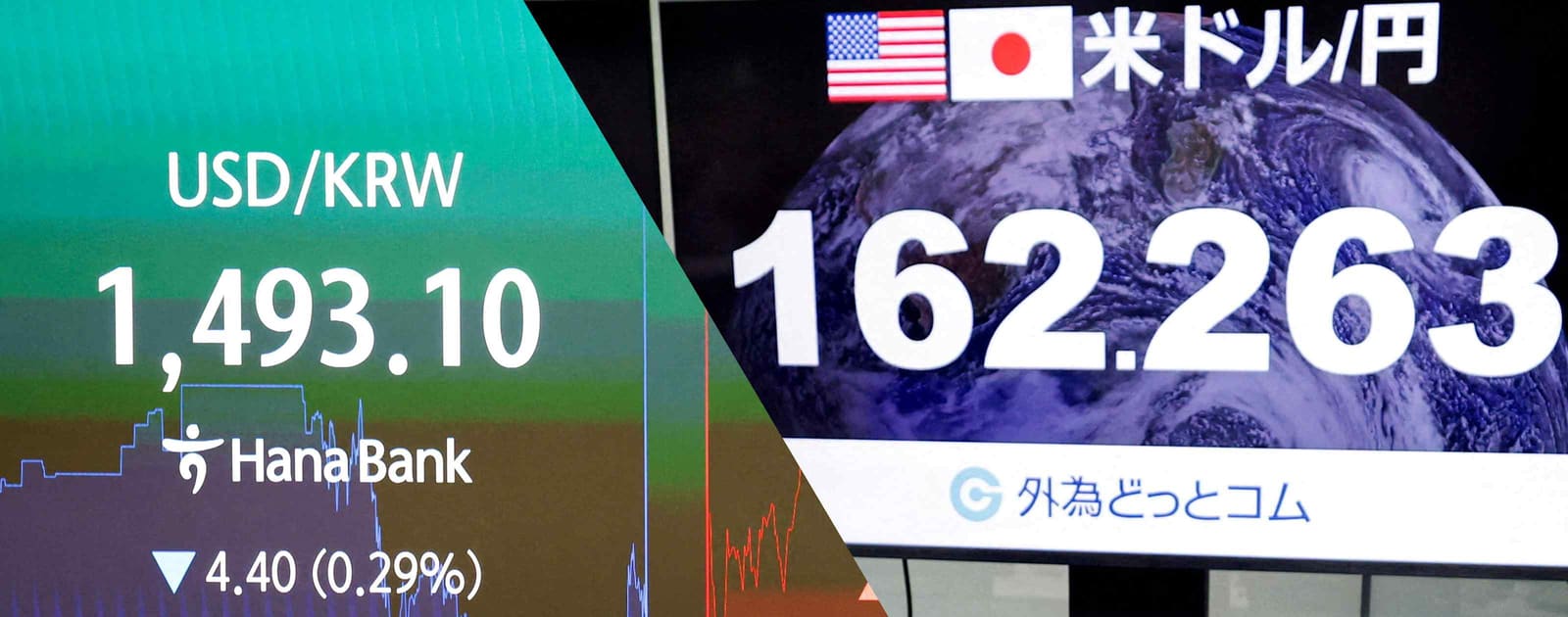
Why Korea's Won Weakness Tells a Different Story Than Japan's Yen
Cheng Wei-Lun · 5 min
Spot something wrong? Email editor@briefasia.com. We log every correction publicly.