Asia · Business
Japan's Factory Orders Hit Seven-Year High as Chip Demand Surges
Manufacturing PMI climbs to 55.1 in August, with semiconductor and AI-related industries driving the fastest new orders growth since early 2018
KEY TAKEAWAYS
- ·Japan's manufacturing PMI climbed to 55.1 in August, with new orders rising at the fastest pace since January 2018, driven by semiconductor and AI-related demand.
- ·Total sales and overseas demand recorded their steepest increases in over eight and a half years, with manufacturers expanding hiring and input purchasing.
- ·Services activity strengthened to 52.3, lifting the composite index to 53.4, its highest since February, though business confidence remains stronger in manufacturing than services.
Factories Lead Japan's Economic Momentum
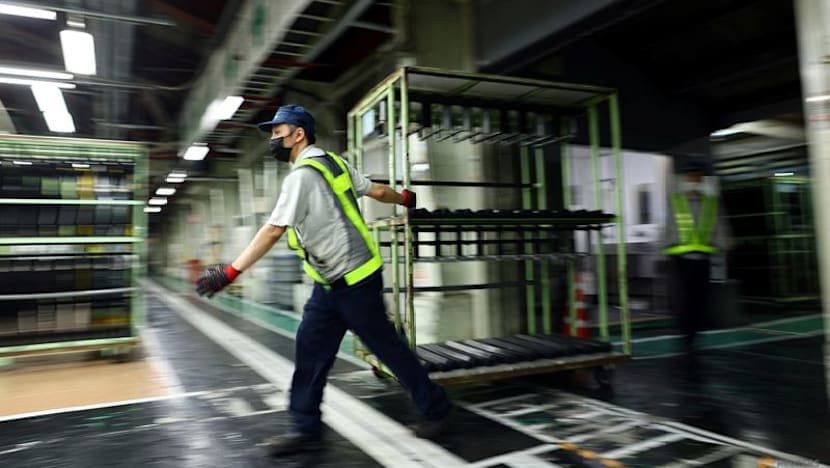
Japan's manufacturing sector picked up speed in August, with new orders climbing at the sharpest rate in more than seven years. The S&P Global Flash Japan Manufacturing Purchasing Managers' Index rose to 55.1 from July's 54.5, marking continued expansion well above the 50-point threshold that separates growth from contraction.
The acceleration comes as factories across the archipelago report robust demand from semiconductor and artificial intelligence industries, a pattern that mirrors the broader technology investment wave sweeping through Asia's manufacturing hubs. Total sales and overseas demand both recorded their steepest increases in over eight and a half years, according to S&P Global Market Intelligence.
Semiconductor Tailwinds Lift Production
Manufacturers responded to surging orders by ramping up output and expanding hiring. Employment growth in the factory sector outpaced services in August, while firms increased input purchasing to meet production schedules. Delivery times from suppliers lengthened noticeably, a sign of strain in supply chains as component demand intensified.
The strength in manufacturing stands in contrast to Japan's second-quarter GDP data released earlier this week, which showed economic growth slowing. Market participants have largely attributed that softness to temporary factors rather than structural weakness, and the latest PMI figures suggest underlying industrial momentum remains intact.
Services Sector Joins the Upturn
Activity in Japan's services sector also strengthened during August. The S&P Global Flash Japan Services PMI Business Activity Index rose to 52.3 from 51.2, lifting the Composite Output Index to 53.4, its highest reading since February. The broad-based improvement across both manufacturing and services points to a private sector recovery gaining traction.
Cost pressures, which had surged to near-record levels in June, eased somewhat in August. Overall input inflation across the private sector slowed to a five-month low. However, firms continued to pass costs along to customers, with selling prices for goods and services rising at one of the steepest rates on record.
Business Confidence Climbs
Business sentiment improved to its highest level since February, with manufacturers expressing greater optimism than their services counterparts. Firms cited expectations of higher sales volumes, expanded operational capacity, and stronger overall market conditions as reasons for their upbeat outlook.
The divergence in confidence between manufacturing and services reflects the uneven nature of Japan's recovery. While factories benefit from export demand tied to global technology investment, particularly in semiconductors and AI infrastructure, services firms face more domestic-focused headwinds, including persistent inflation and cautious consumer spending.
Regional Context
Japan's manufacturing resurgence fits into a wider pattern across Northeast Asia, where semiconductor production and AI-related hardware manufacturing have become key growth drivers. South Korea and Taiwan have reported similar surges in chip-related orders, while China's technology supply chain continues to realign in response to evolving trade restrictions and investment flows.
For Japan, the question now is whether this industrial momentum can translate into sustained economic growth, or whether it remains concentrated in specific technology-linked sectors. The services sector's more modest improvement suggests domestic demand has yet to fully recover, even as export-oriented manufacturers thrive.
Provided there are no fresh shocks to prices or external demand, Japan's private sector appears positioned for continued strength in the months ahead. The resilience of factory orders, particularly in high-value technology components, offers a buffer against the uneven recovery in consumer-facing industries.
RELATED STORIES
Japan's Factory Orders Jump to Eight-Year High on Chip and AI Demand
Aiko Nakamura · 3 min
Japanese Chipmakers and Infrastructure Giants Lift Earnings Outlook 14 Percent
Cheng Wei-Lun · 4 min
Japan's Exports Surge at Fastest Rate in Four Years
Aiko Nakamura · 4 min

Tokyo Shoppers Brace for Sustained Inflation Through Year-End
Aiko Nakamura · 3 min
Spot something wrong? Email editor@briefasia.com. We log every correction publicly.