Asia · Trending
Tokyo Shoppers Brace for Sustained Inflation Through Year-End
Rising food and energy costs threaten to erode household purchasing power as Japan's inflation cycle extends into its third year
KEY TAKEAWAYS
- ·Japanese households face sustained inflation through at least the end of 2026, with grocery and energy prices continuing to rise despite two years of cost increases.
- ·Real wage growth lags behind price increases, particularly for workers at small and medium enterprises, creating a widening gap between income and living expenses.
- ·The Bank of Japan and government face policy dilemmas as temporary subsidies provide only short-term relief while structural inflation pressures persist.
Pressure Mounts on Consumer Wallets
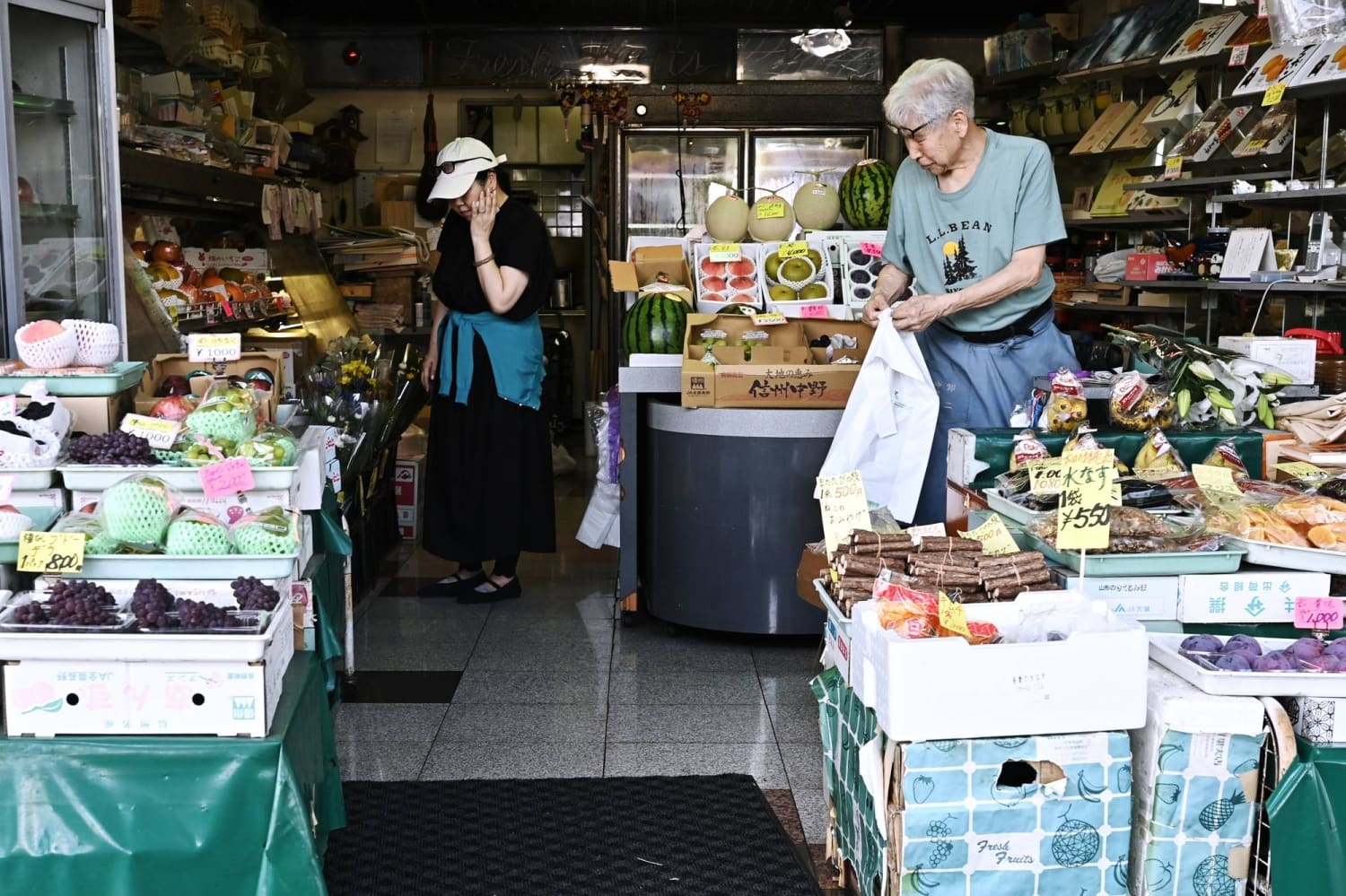
Japanese households are entering a prolonged period of financial strain as inflationary pressures show no sign of easing through the second half of 2026. Grocery stores across Tokyo and other major urban centers reflect the reality: staple goods continue to climb in price, and consumers are adjusting spending habits in response.
The trajectory marks a departure from the deflationary environment that defined Japan's economy for two decades. Where prices once remained stable or declined, shoppers now face persistent increases across food, energy, and household essentials. The shift is forcing families to recalibrate budgets and prioritize necessities over discretionary spending.
Wage Growth Lags Behind Price Increases
Real wage growth remains the central challenge. While nominal wages have risen modestly in recent quarters, the gains have not kept pace with the cost of living. The gap between income and expenses is widening for middle-income households, particularly those with children or elderly dependents.
Small and medium enterprises, which employ the majority of Japan's workforce, have been slower to raise salaries compared to large corporations. This disparity is creating a two-tier economy where employees at major manufacturers and exporters see meaningful wage increases, while those in services, retail, and hospitality do not.
Regional Disparities Emerge
The inflationary impact is uneven across Japan's regions. Metropolitan areas such as Tokyo, Osaka, and Nagoya experience sharper price increases due to higher baseline costs and greater reliance on imported goods. Rural prefectures, while somewhat insulated by local agriculture, face their own pressures from rising fuel and transportation costs.
Elderly populations in rural areas are particularly vulnerable. With fixed incomes from pensions and limited access to part-time work, these households have little flexibility to absorb higher costs. Local governments are beginning to explore targeted subsidies, but fiscal constraints limit the scope of intervention.
Corporate Response and Supply Chain Factors
Japanese food manufacturers and retailers have implemented multiple rounds of price increases since early 2024. Companies cite higher import costs for raw materials, energy, and logistics as primary drivers. The weak yen, which has fluctuated but remained below pre-pandemic levels, continues to amplify the cost of imports.
Some corporations are absorbing portions of cost increases to maintain market share, compressing profit margins in the process. Others are reformulating products or reducing package sizes to avoid sticker shock at checkout. Neither strategy fully shields consumers from the underlying price pressure.
Policy Dilemma for Tokyo
The Bank of Japan faces a delicate balancing act. After decades of ultra-loose monetary policy aimed at generating inflation, the central bank now confronts the challenge of managing price growth without triggering a sharp economic slowdown. Interest rate adjustments remain modest, reflecting caution about derailing consumption.
Fiscal policy has been more active. The government has rolled out temporary subsidies for utilities and fuel, but these measures are stopgaps rather than structural solutions. Political pressure is building for more comprehensive support, particularly ahead of potential elections in the coming year.
Outlook Through Winter
Economists expect inflationary pressures to persist at least through the end of 2026. Energy costs typically rise during winter months, and global commodity markets remain volatile. Barring a significant strengthening of the yen or a drop in global energy prices, Japanese households should prepare for continued budget strain.
Consumer sentiment surveys reflect growing unease. Spending on non-essential goods and services is declining as families prioritize food, housing, and utilities. The shift has implications for sectors dependent on discretionary income, including hospitality, entertainment, and retail apparel.
The current inflationary cycle represents a fundamental test for Japan's economy. After decades of deflation, the question is no longer whether prices will rise, but whether households can sustain their standard of living while they do.
RELATED STORIES
Japan's Inflation Shift Creates Economic Divide Across Households
Aiko Nakamura · 3 min
Japanese Retailers Strip Toppings From Noodles to Combat Inflation
Aiko Nakamura · 2 min
Japan's Second-Quarter Growth Falls Short as Corporate Spending Stalls
Aiko Nakamura · 3 min
Japan's 10-Year Bond Yield Hits 30-Year High Amid Rate Hike Bets
Aiko Nakamura · 2 min
Spot something wrong? Email editor@briefasia.com. We log every correction publicly.