Asia · Trending
Japan's Inflation Shift Creates Economic Divide Across Households
After decades of deflation, rising prices are reshaping financial fortunes for savers, borrowers, and retirees in the world's third-largest economy

KEY TAKEAWAYS
- ·Japan's sustained inflation above 2% is ending three decades of deflationary conditions, creating sharp divides between fixed-income retirees and borrowers with low-rate mortgages.
- ·Retirees in rural areas like Niigata face the steepest squeeze as pensions remain static while essential costs climb, with nearly 30% of Japan's population aged 65 or above.
- ·The Bank of Japan must balance rate hikes that would help savers against the risk of stalling wage growth that took years to restart.
A Historic Turn After Three Decades
Japan is experiencing its most sustained inflationary period in a generation, and the consequences are rippling through society in ways the country has not seen since the early 1990s. For three decades, Japanese consumers grew accustomed to stable or falling prices. That era has ended, and households are now navigating a terrain where the cost of groceries, utilities, and services climbs month after month.
The shift marks a fundamental break from the deflationary psychology that shaped consumer behavior, corporate strategy, and monetary policy for most of the post-bubble era. Core consumer prices have been rising above the Bank of Japan's 2% target for extended stretches, driven by higher import costs, weaker yen dynamics, and global commodity pressures. What was once an abstract policy goal has become a daily reality at checkout counters from Hokkaido to Kyushu.
Retirees Bear the Brunt
Fixed-income households, particularly retirees living on pensions, are among the most exposed. Their monthly income remains static while expenses climb. Chieko Sugai, a resident of Murakami in Niigata Prefecture, exemplifies this squeeze. Her pension has not adjusted to reflect the new price environment, and she has been forced to recalibrate her spending on essentials.
The situation is widespread. Japan's population is the oldest in the world, with nearly 30% aged 65 or above. Most of these individuals depend on government pensions and modest savings that were accumulated during decades when interest rates hovered near zero. Those savings now lose purchasing power each year inflation persists above negligible rates.
Regional disparities compound the problem. In smaller cities and rural prefectures like Niigata, where wage growth lags far behind Tokyo and Osaka, the impact of inflation hits harder. Local economies offer fewer high-paying jobs, and cost-of-living adjustments in public benefits have been slow to materialize.
Borrowers and Asset Holders Gain Ground
On the other side of the ledger sit borrowers and those holding real assets. Households with mortgages taken out at ultra-low fixed rates are seeing the real value of their debt erode. A loan locked in at 0.5% annual interest becomes cheaper in real terms when inflation runs at 2.5% or higher. This dynamic quietly transfers wealth from creditors to debtors, a reversal of the deflationary regime that punished borrowers for decades.
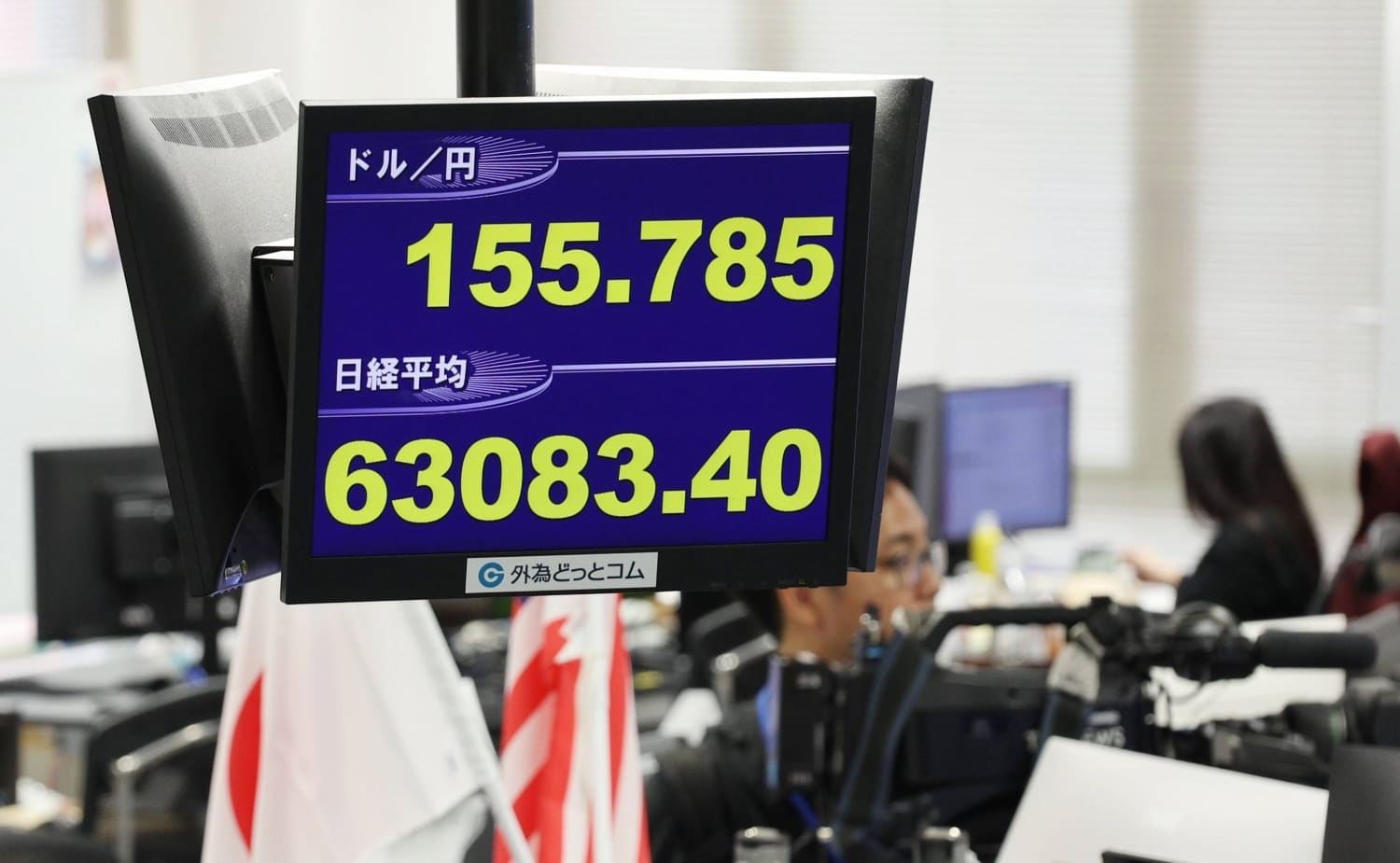
Equity investors and property owners are also benefiting. The Nikkei 225 has posted strong gains as corporate earnings improve amid higher nominal revenues and as the yen's weakness boosts exporters. Real estate in major metropolitan areas has appreciated, supported by foreign buying, domestic demand from younger urban workers, and the expectation that land will hold value better than cash in an inflationary environment.
Wage earners at large corporations, especially those in manufacturing and technology sectors tied to global supply chains, have secured above-inflation pay increases. Spring wage negotiations in 2025 and 2026 delivered raises exceeding 4% at major firms, a level not seen since the late 1990s. These workers can absorb price increases without sacrificing living standards.
Policy Dilemmas Ahead
The Bank of Japan faces a delicate balancing act. Ending yield curve control and raising short-term rates would offer some relief to savers and pensioners by improving deposit returns. But aggressive tightening risks choking off the nascent wage-price spiral that policymakers spent years trying to ignite. The central bank has moved cautiously, lifting rates off negative territory but stopping short of aggressive hikes.
Fiscal authorities, meanwhile, confront pressure to expand social safety nets. Calls for indexing pensions to inflation, raising minimum wages faster, and providing targeted subsidies for energy and food costs are growing louder. Yet Japan's public debt already exceeds 250% of GDP, limiting the government's room to maneuver without triggering concerns over fiscal sustainability.
The divergence in outcomes across different demographic and economic groups is straining the social contract. Japan built its post-war prosperity on a broadly shared sense of rising living standards and equitable distribution. The current inflation episode threatens that consensus, creating visible fault lines between young and old, urban and rural, asset-rich and cash-dependent.
What Comes Next
How long inflation persists, and whether wages can keep pace across all sectors, will determine whether this period is remembered as a painful but necessary adjustment or a source of lasting inequality. The yen's trajectory, global energy markets, and the pace of productivity gains in services will all play roles.
For now, Japan is learning to live with inflation again. Some households are adapting and even prospering. Others are struggling to make ends meet. The paradox is that the same force reshaping Japan's economy is simultaneously lifting some boats while sinking others.
RELATED STORIES

US Treasury Secretary and Japanese PM Diverge on BOJ Policy Amid Currency Intervention
Aiko Nakamura · 4 min

Japan's Central Bank Trapped Between Rate Hikes and Political Demands for Bond Purchases
Cheng Wei-Lun · 4 min
Japan and US Stage Joint Intervention as Yen Slides Past ¥155
Aiko Nakamura · 3 min

Tokyo's Currency Intervention Reveals Deeper Policy Failures
Anand Sundaram · 5 min
Spot something wrong? Email editor@briefasia.com. We log every correction publicly.