Finance · Markets
Japan's Central Bank Trapped Between Rate Hikes and Political Demands for Bond Purchases
Governor Ueda faces mounting pressure to resume the asset-buying program his institution spent years unwinding, as fiscal expansion drives yields toward crisis levels
KEY TAKEAWAYS
- ·10-year Japanese government bond yields reached 2.805 percent this week, approaching the 3 percent threshold that analysts view as a potential trigger for accelerated selling
- ·Prime Minister Takaichi pressed BOJ Governor Ueda in May to increase bond purchases to cap long-term rates, while the central bank argues inflation drives yields more than balance-sheet reduction
- ·The BOJ paired a June rate hike with a pause in bond-tapering from next fiscal year, a move some analysts interpret as a compromise under political pressure
A Collision Course
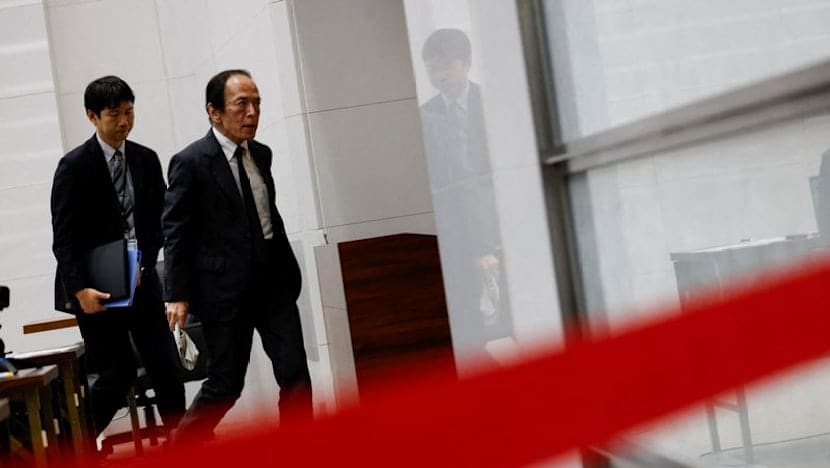
The Bank of Japan finds itself in an uncomfortable bind. While Governor Kazuo Ueda steers the institution toward monetary normalization after years of ultra-loose policy, Prime Minister Sanae Takaichi's administration is pushing in the opposite direction, pressing the central bank to cap borrowing costs even as government spending drives them skyward.
Yields on 10-year Japanese government bonds climbed to 2.805 percent this week, edging closer to the psychologically significant 3 percent threshold that market participants view as a potential trigger for accelerated selling. The climb reflects investor anxiety over Tokyo's expansive fiscal blueprint, which has also drawn attention from Washington due to knock-on effects in U.S. Treasury markets.
Japan's debt load, the heaviest among developed economies, makes the trajectory particularly sensitive. Each uptick in yields translates directly into higher debt-servicing obligations, a reality that has not escaped Takaichi's notice. Last month, she committed to improving market communication to shore up confidence in public finances.
The Political Push
Domestic reporting indicates Takaichi pressed Ueda during a May discussion to increase bond acquisitions when necessary to prevent long-term rates from climbing too steeply. Statements from her economic advisors have reinforced the administration's discomfort with the central bank's balance-sheet reduction.
Toshihiro Nagahama, appointed by Takaichi to a government advisory panel, told reporters that the administration prioritizes quantitative policy levers over traditional rate adjustments. Economy Minister Minoru Kiuchi, another ally aligned with reflationist thinking, cautioned during the BOJ's June policy meeting about the economic fallout from shrinking the balance sheet too quickly, urging a focus on market stability, minutes from that session reveal.
Some observers believe this pressure has already shaped decisions. In June, the BOJ paired a rate increase with an unexpected pause in its bond-reduction schedule starting next fiscal year, a move that struck analysts as a compromise.
The Normalization Dilemma
For the BOJ, resuming large-scale bond purchases would undo progress made since 2024, when it dismantled yield-curve control and launched a gradual reduction of its holdings. That shift marked a deliberate pivot away from the "Abenomics" playbook championed by late Prime Minister Shinzo Abe, which relied heavily on central bank asset purchases to stimulate growth.
Reversing that course now risks eroding the credibility the BOJ has worked to rebuild. The institution has maintained it will deploy emergency bond operations only if yields surge in disorderly fashion, disconnected from economic fundamentals and posing a threat to financial stability.
A research paper released by the BOJ last week argued that inflation, not the slowdown in bond purchases, is the primary force lifting yields. Minutes from the June meeting showed board members beginning to sketch out parameters for an eventual target size for the balance sheet, signaling determination to stay on the normalization path despite political headwinds.
"If markets interpret the BOJ's bond buying as aimed at monetising debt or lowering yields, that could hurt the central bank's credibility," one board member noted in the minutes.
Former BOJ official Nobuyasu Atago suggested the detailed discussions may be preparing the ground for publishing estimates of a long-term balance-sheet target. "Releasing such findings would help the BOJ defend itself from criticism that it was manipulating the pace of bond buying in response to government pressure," he said.
The Market Reality
Yet the political debate may prove secondary to market dynamics. Investors remain unconvinced by Takaichi's fiscal ambitions, and their skepticism continues to push yields higher. While U.S. Treasury Secretary Scott Bessent's recent intervention may have tempered opposition to near-term rate increases, the underlying tension over bond buying persists.
The BOJ does not target any specific yield level, but officials acknowledge they could act if movements become sharp and one-sided enough to jeopardize financial stability, according to a source familiar with internal deliberations.
Mari Iwashita, executive rates strategist at Nomura Securities, framed the challenge bluntly. "The BOJ could have no choice but to step in if a dearth of demand for bonds among domestic investors triggers a spike in yields," she said. "It's the cost the BOJ is paying for dominating the bond market for such a long time with prolonged monetary loosening."
Atago warned that yielding to political demands for bond purchases when rates are climbing could backfire. "Demanding the BOJ to buy bonds when long-term rates are rising would backfire by stoking concerns over fiscal dominance and casting doubt on the central bank's ability to combat inflation," he said.
What Comes Next
The standoff places Ueda in a delicate position. On one hand, the BOJ has spent years building the case for normalization, arguing that Japan's economy can now sustain higher rates after decades of deflation. On the other, the administration's fiscal priorities and the resulting market turbulence create a scenario where the central bank may be forced to choose between its long-term credibility and short-term stability.
Market participants are watching not just the pace of rate hikes, but whether the BOJ will hold the line on balance-sheet reduction if yields continue their ascent. The answer will reveal whether the institution can maintain its independence in the face of political pressure, or whether the legacy of Abenomics still shapes policy from behind the scenes.
For now, the 3 percent level on 10-year JGBs looms as the next test. If that threshold breaks, the BOJ's commitment to normalization will face its most serious challenge yet.
RELATED STORIES
Bank of Japan Signals Willingness to Accelerate Rate Hikes Amid Rising Inflation Concerns
Aiko Nakamura · 3 min
Japan Logs First Current Account Deficit in 17 Months as Dividends Flow Abroad
Aiko Nakamura · 3 min
Japan's Economy Poised to Clock Third Consecutive Quarter of Expansion
Aiko Nakamura · 5 min
Yen Slides Back Toward 160 as Joint Intervention Fades
Cheng Wei-Lun · 3 min
Spot something wrong? Email editor@briefasia.com. We log every correction publicly.