Finance · Markets
Bank of Japan Signals Willingness to Accelerate Rate Hikes Amid Rising Inflation Concerns
Internal policy deliberations reveal growing board unease over upside price pressures, opening the door to faster monetary tightening than markets currently expect
KEY TAKEAWAYS
- ·Bank of Japan policymakers flagged upside inflation risks in July meeting minutes, with several officials supporting a faster pace of rate hikes if price pressures persist above forecasts.
- ·The central bank raised rates to 0.25% in July and faces growing evidence of a wage-price spiral, with spring wage negotiations delivering the largest pay increases in three decades.
- ·A more aggressive tightening path would strengthen the yen and reshape capital flow dynamics across Asia, removing one of the region's last anchors of ultra-low interest rates.
Growing Anxiety Over Price Trajectory
The Bank of Japan's latest summary of opinions has laid bare deepening concerns among board members about inflation risks tilting to the upside, a shift that could prompt the central bank to tighten monetary policy more aggressively than previously signaled.
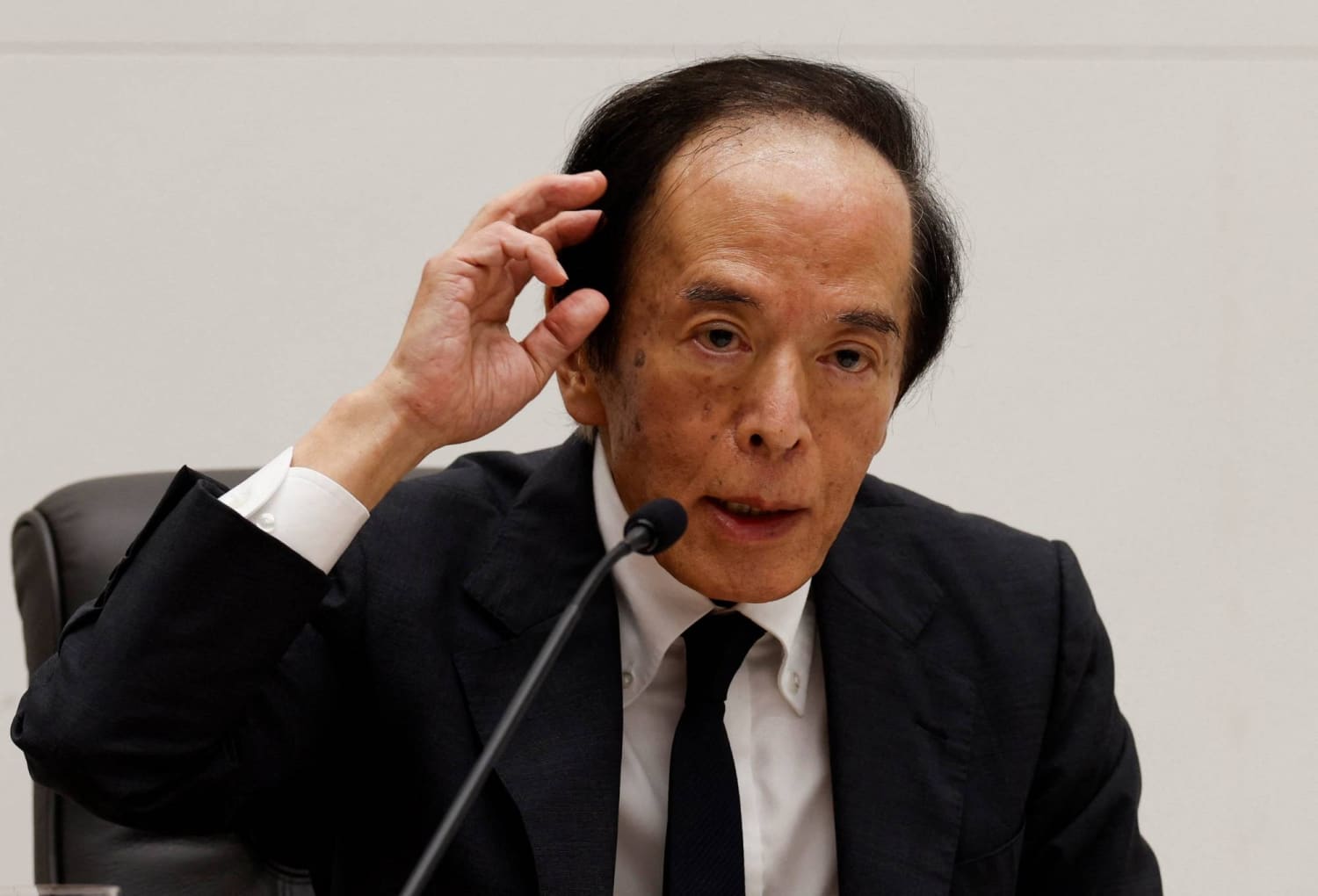
Released this week, the document captures internal deliberations from the July 31 policy meeting chaired by Governor Kazuo Ueda. Multiple participants flagged the possibility that price pressures could exceed the central bank's forecasts, a notable departure from the cautious gradualism that has characterized Japan's exit from decades of ultra-loose policy.
The summary marks a subtle but significant evolution in the BOJ's stance. For years, the central bank fought deflation and struggled to push inflation sustainably above its 2% target. Now, with consumer prices running hot and wage growth finally gaining traction, policymakers are grappling with the opposite problem: preventing inflation from becoming entrenched above comfortable levels.
Faster Tightening on the Table
Several board members expressed support for accelerating the pace of rate increases if inflation data continues to surprise on the high side. The comments suggest the BOJ may be prepared to move more decisively than the market consensus, which has largely priced in a measured, incremental approach to normalization.
The central bank raised its short-term policy rate to 0.25% at the July meeting, the second hike since ending negative interest rates in March. That move came alongside cuts to its bond-buying program, signaling a broader shift toward policy normalization after years of radical stimulus.
But the summary of opinions indicates that some policymakers believe the current trajectory may not be sufficient to anchor inflation expectations. One member noted that waiting too long to act could force the bank into more drastic tightening later, risking damage to the economic recovery.
Wage-Price Spiral Takes Shape
The hawkish tilt reflects structural changes in Japan's labor market. Spring wage negotiations this year delivered the largest pay increases in three decades, with major firms agreeing to raises above 5%. Small and medium-sized enterprises, which employ the bulk of Japan's workforce, have also begun lifting wages to attract workers in an increasingly tight labor market.
That wage momentum is feeding into consumer prices. Core inflation has held above the BOJ's 2% target for more than two years, driven not just by imported energy costs but by rising services prices and stronger domestic demand. The risk now is that higher wages and prices reinforce each other, creating a self-sustaining loop that proves difficult to control.
Governor Ueda has repeatedly stated that policy decisions will be data-dependent, leaving room to adjust the pace of tightening based on incoming economic indicators. The summary of opinions suggests that flexibility may soon be tested.
Regional Implications
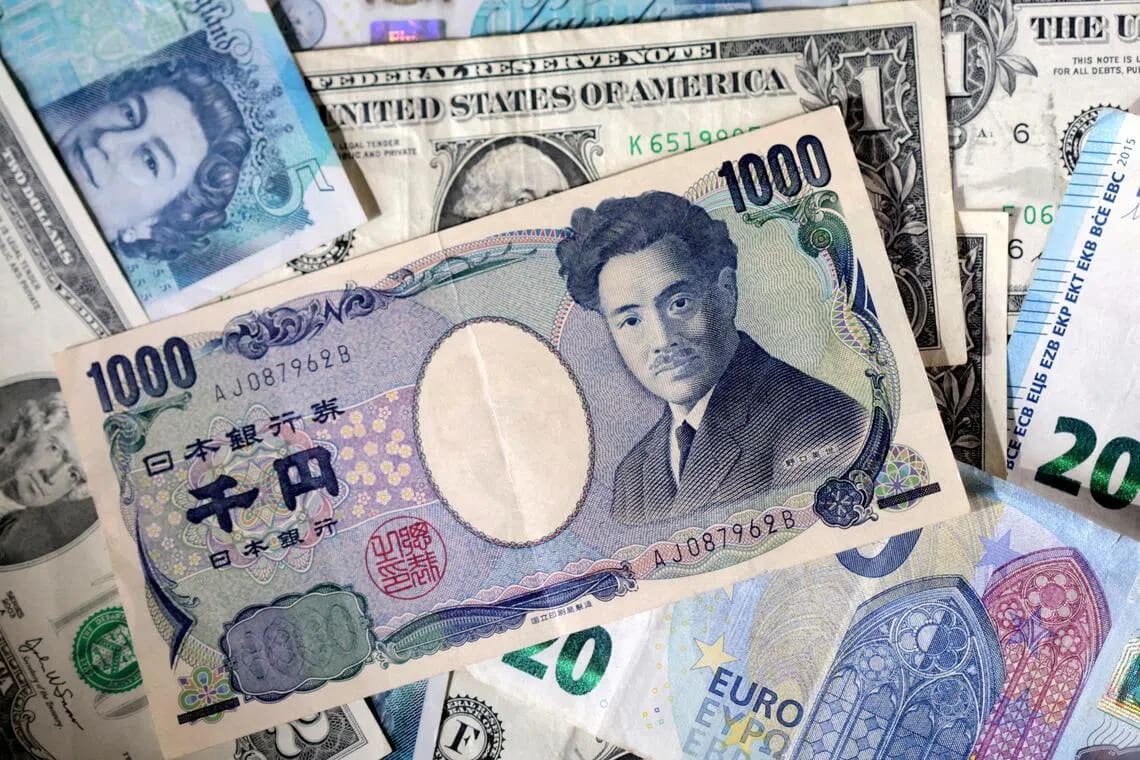
The BOJ's evolving stance carries weight beyond Japan. A faster pace of rate hikes would likely strengthen the yen, which has weakened sharply over the past two years as the BOJ maintained ultra-loose policy while the Federal Reserve and other central banks raised rates aggressively.
A stronger yen would ease imported inflation for Japanese consumers but could also complicate export dynamics for manufacturers, a pillar of the economy. It would also ripple across Asian capital markets, where yield differentials have driven significant portfolio flows.
Other Asian central banks are watching closely. If Japan moves toward a more conventional monetary policy framework, it removes one of the region's last anchors of ultra-low rates, potentially shifting the baseline for borrowing costs and asset valuations across the region.
The BOJ's next policy meeting is scheduled for September. Market participants will be parsing economic data releases in the interim for clues about whether the central bank's concerns about upside inflation risks are materializing. Wage data, services inflation, and corporate pricing behavior will be particularly closely watched.
For now, the summary of opinions has put markets on notice: the era of predictable, glacial policy adjustment in Tokyo may be ending. The question is whether the BOJ will act preemptively or wait for clearer evidence that inflation is overshooting before pulling the trigger on a faster tightening cycle.
RELATED STORIES

Asian Tech Stocks Surge as Weak US Jobs Data Dims Rate Hike Outlook
Cheng Wei-Lun · 4 min

Japan Logs First Current Account Deficit in 17 Months as Dividends Flow Abroad
Aiko Nakamura · 3 min
Yen Slides Back Toward 160 as Joint Intervention Fades
Cheng Wei-Lun · 3 min

Japan's Megabanks Build $1.25 Trillion Dollar Cushion
Aiko Nakamura · 3 min
Spot something wrong? Email editor@briefasia.com. We log every correction publicly.