Finance · Banking
Japan's Megabanks Build $1.25 Trillion Dollar Cushion
MUFG, SMBC, and Mizuho expand foreign currency reserves as Middle East tensions threaten corporate funding squeeze
KEY TAKEAWAYS
- ·Japan's three largest banks have raised combined foreign currency liquidity buffers to $1.25 trillion to prepare for sudden corporate dollar demand linked to the U.S.-Iran conflict.
- ·The buildup addresses risks of dollar funding squeezes similar to those seen during the 2008 crisis and 2020 pandemic, when global credit markets froze.
- ·The move reinforces financial stability for Asia's dollarized trade ecosystem and signals expectations of prolonged geopolitical uncertainty rather than quick resolution.
Preparing for Market Stress
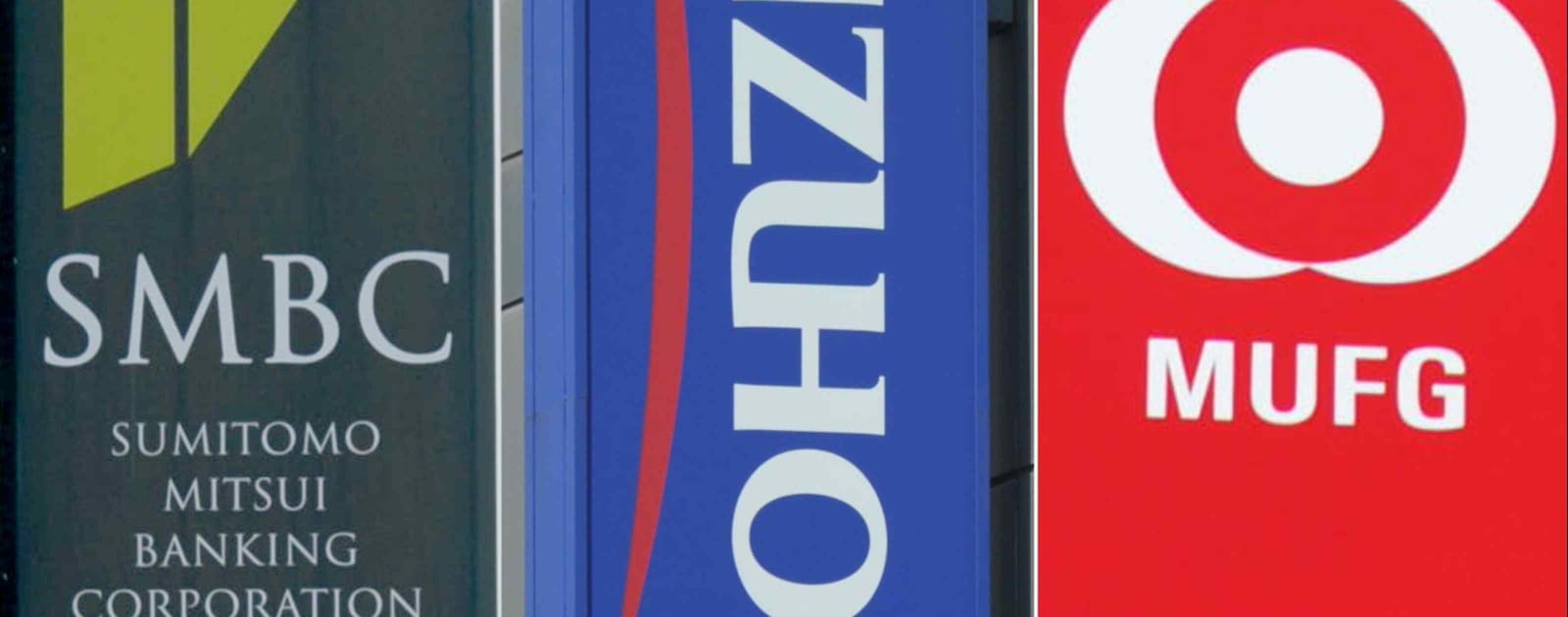
Japan's three largest banks have expanded their foreign currency liquidity buffers to $1.25 trillion, a defensive move aimed at weathering potential market disruptions tied to the ongoing U.S.-Iran conflict. MUFG Bank, Sumitomo Mitsui Banking Corp., and Mizuho Bank are bracing for a scenario in which corporate clients suddenly scramble for dollar funding, a pattern seen during past geopolitical shocks.
The buildup reflects a calculated response to uncertainty in global currency markets. When tensions spike in regions critical to energy supply or trade routes, Japanese multinationals and trading houses often need immediate access to dollars to settle contracts, hedge exposures, or secure commodity purchases. The banks are positioning themselves to meet that demand without having to tap expensive short-term funding markets or rely on swap lines during periods of stress.
Why Dollar Liquidity Matters Now
The U.S.-Iran standoff has introduced fresh volatility into currency and commodity markets. Oil price swings, sanctions-related payment disruptions, and the threat of supply chain interruptions all increase the likelihood that Japanese corporates will need dollars on short notice. For banks, holding ample foreign currency reserves means they can provide that liquidity without triggering margin calls or scrambling for offshore funding.
Japan's megabanks have significant overseas operations and lend heavily to exporters, importers, and global trading firms. A sudden tightening in dollar funding markets could force them to pay elevated rates for short-term borrowing or face constraints on their ability to support clients. By pre-positioning liquidity, the banks reduce their exposure to these risks and maintain flexibility in volatile conditions.
A Regional Risk Management Playbook
This approach mirrors strategies adopted during earlier crises. During the 2008 financial meltdown and the 2020 pandemic onset, Japanese banks faced acute dollar funding squeezes as global credit markets froze. Central bank swap lines provided relief, but the experience underscored the need for larger self-funded buffers. The current buildup suggests the banks view the Iran situation as carrying similar tail risks.
Asia's financial institutions are particularly sensitive to dollar availability. Regional trade is heavily dollarized, and disruptions in currency markets can cascade quickly across supply chains and corporate balance sheets. By expanding their reserves now, Japan's top three banks are not only protecting their own operations but also reinforcing stability for the broader ecosystem of clients that depend on seamless cross-border finance.
Market Implications
The scale of the liquidity buffer indicates the banks are taking the geopolitical risk seriously. At $1.25 trillion, the combined reserves represent a substantial commitment of balance sheet capacity. It also signals to markets that Japanese financial institutions expect prolonged uncertainty rather than a quick resolution to the U.S.-Iran conflict.
For corporate treasurers across Asia, the move offers some reassurance. Knowing that Japan's largest banks have the capacity to meet sudden dollar demand reduces the likelihood of a funding crunch that could disrupt operations or force fire sales of assets. It also lessens the chance that smaller regional banks, which often rely on Japanese megabanks for dollar liquidity, will face their own shortages.
The buildup may also influence how other regional banks manage their own foreign currency positions. If Japanese institutions are expanding buffers, counterparts in South Korea, Singapore, and elsewhere may feel pressure to follow suit, particularly if they compete for the same corporate clients or participate in syndicated lending.
What Comes Next
The banks will continue monitoring developments in the Middle East and adjusting their liquidity positions accordingly. If tensions ease, some of the buffer may be redeployed into lending or investment. If the situation deteriorates, the reserves provide a critical cushion against market dislocations.
For now, the message from Tokyo is clear: Japan's financial giants are preparing for the worst while hoping for the best. The $1.25 trillion buffer is both a defensive measure and a statement of capacity, one that underscores the importance of dollar liquidity in an era of persistent geopolitical risk.
RELATED STORIES
Bank of Japan Signals Willingness to Accelerate Rate Hikes Amid Rising Inflation Concerns
Aiko Nakamura · 3 min
Yen Slides Back Toward 160 as Joint Intervention Fades
Cheng Wei-Lun · 3 min
MUFG Earnings Surge as Rising Rates Lift Japan's Banking Sector
Aiko Nakamura · 3 min

Nuclear Weapons Contractors See 30% Surge in Financial Backing
Cheng Wei-Lun · 3 min
Spot something wrong? Email editor@briefasia.com. We log every correction publicly.