Asia · Politics
Nuclear Weapons Contractors See 30% Surge in Financial Backing
Financial institutions increase loans and investments to defense firms producing nuclear arms as global tensions reshape investor priorities
KEY TAKEAWAYS
- ·Defense contractors involved in nuclear weapons production received 30% more loans and investments from financial institutions, with 301 institutions now providing capital to the sector.
- ·Japan's three largest banking groups maintain pledges not to finance nuclear weapons contractors, diverging from the global trend of increased defense sector investment.
- ·The financing surge marks a reversal of the decade-long divestment campaign as institutional investors reassess geopolitical risk and prioritize returns over reputational concerns.
Shifting Capital Flows
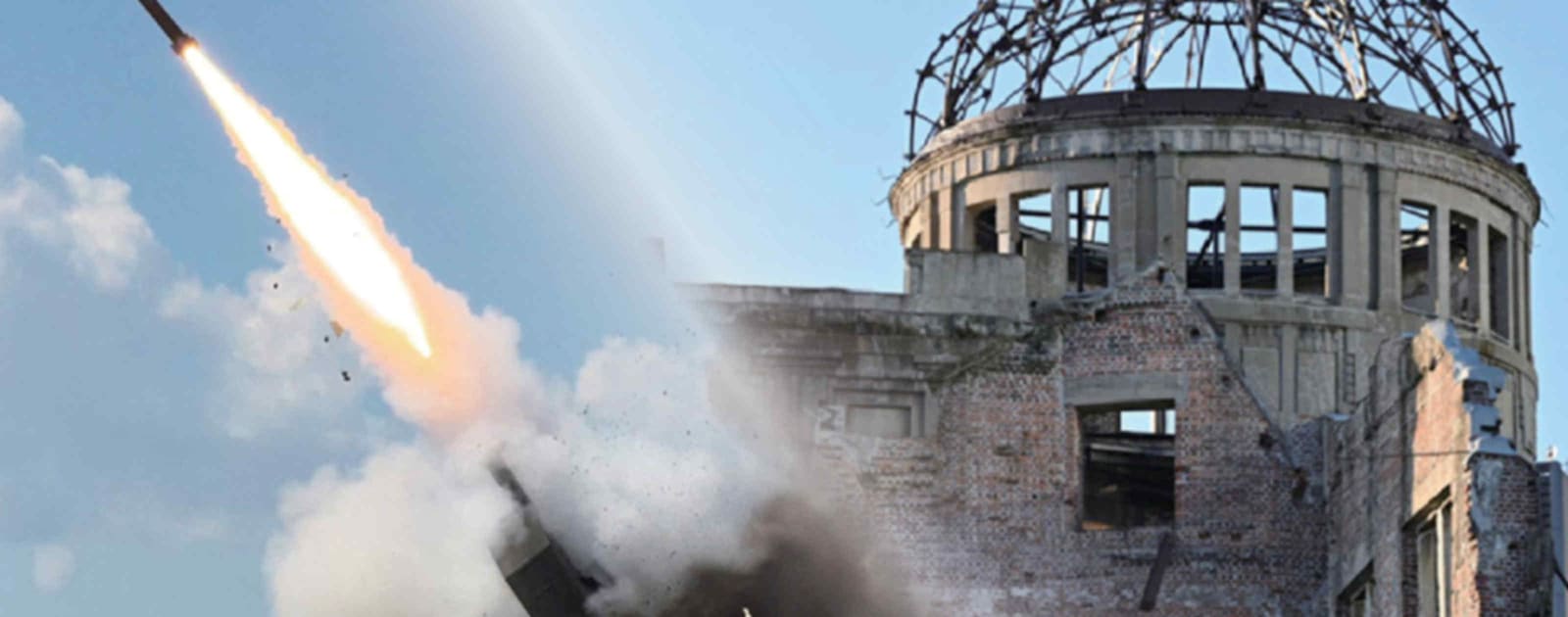
Defense contractors producing nuclear weapons attracted 30% more capital from financial institutions compared to the previous period, according to research released this year. The increase in loans and investments signals a fundamental shift in how global finance views strategic defense assets.
The trend represents a notable departure from the divestment momentum that had gained traction over the past decade. At least 301 financial institutions now provide funding to companies involved in nuclear weapons production, reflecting a recalculation of risk and strategic value as geopolitical tensions intensify across multiple regions.
The capital flows span loans, bond purchases, and equity investments. Financial institutions from North America, Europe, and parts of Asia have increased their exposure to defense contractors with nuclear weapons portfolios, viewing these companies as stable long-term investments amid rising security concerns.
Regional Divergence
While global capital flows toward nuclear weapons contractors accelerate, Japan's three largest banking groups maintain their pledges not to finance such companies. The stance places Japanese financial institutions at odds with the broader trend among their international peers.
This divergence highlights competing priorities within Asian financial markets. Some institutions prioritize alignment with anti-proliferation norms and domestic public sentiment, while others respond to client demand for defense sector exposure or government signals about strategic industries.
The Japanese position reflects both regulatory environment and public opinion shaped by the country's unique history. Yet even within Asia, approaches vary significantly. Financial institutions in other markets face different pressures from pension funds, sovereign wealth vehicles, and institutional investors seeking defense sector allocations.
Defense Sector Fundamentals
The nuclear weapons production segment represents a specialized corner of the broader defense industry. Contractors in this space typically hold long-term government contracts with predictable revenue streams, making them attractive to institutional investors seeking stability.
Rising defense budgets across multiple countries have bolstered the financial performance of these contractors. Governments facing perceived threats have increased procurement spending, extended contract timelines, and expanded modernization programs for nuclear arsenals.
The increased financing also reflects investor reassessment of geopolitical risk itself. Where nuclear weapons contractors were once viewed as reputational liabilities, some institutional investors now see them as hedges against the very tensions that make headlines. This shift in perception has opened new sources of capital.
Divestment Movement Loses Steam
The 30% increase in financing marks a clear reversal for the divestment campaign that had gained momentum through the 2010s and early 2020s. Advocacy groups had successfully pressured dozens of pension funds, insurance companies, and asset managers to exclude nuclear weapons contractors from their portfolios.
That momentum now faces headwinds. Institutional investors cite fiduciary duty and client demand as reasons for maintaining or increasing defense sector exposure. Some argue that engagement with defense contractors, rather than divestment, offers more leverage to influence corporate behavior.
The changing calculus also reflects generational shifts in portfolio management. Younger analysts and fund managers, entering markets shaped by renewed great-power competition, bring different assumptions about strategic risk than their predecessors who came of age during the post-Cold War period.
Financial institutions that continue to exclude nuclear weapons contractors face questions from clients about opportunity cost. With defense stocks outperforming broader market indices in recent years, the performance gap has become harder to justify to beneficiaries focused primarily on returns.
Forward Indicators
The trajectory of financing flows will likely depend on several factors over the next reporting period. Defense budget cycles in major economies, the outcome of arms control negotiations, and the performance of defense sector equities will all influence institutional investor positioning.
Regulatory developments could also reshape the landscape. Some jurisdictions have considered mandatory disclosure requirements for defense sector investments, while others have explored restrictions on financing for specific weapons categories.
The 301 financial institutions currently providing capital to nuclear weapons contractors represent a diverse group spanning commercial banks, investment banks, pension funds, insurance companies, and asset managers. Their continued participation suggests the financing trend has depth beyond a handful of outlier institutions.
For defense contractors, the increased access to capital enables expansion of production capacity, investment in next-generation technologies, and improved balance sheet flexibility. These companies face growing order books as governments accelerate procurement timelines, making access to external financing increasingly important for meeting delivery schedules.
RELATED STORIES
Japan Defense Ministry to Pre-Announce Procurement Volumes to Industry
Aiko Nakamura · 3 min
Japanese Companies Push for Currency Stability as Weak Yen Squeezes Margins
Aiko Nakamura · 3 min

Sojitz Expands Vietnamese Beef Operations With Japanese Hygiene Standards
Cheng Wei-Lun · 3 min
Japan's Megabanks Build $1.25 Trillion Dollar Cushion
Aiko Nakamura · 3 min
Spot something wrong? Email editor@briefasia.com. We log every correction publicly.