Asia · Business
Sojitz Expands Vietnamese Beef Operations With Japanese Hygiene Standards
Tokyo-based trading house bets on rising protein demand as Vietnam's middle class grows and consumption patterns shift
KEY TAKEAWAYS
- ·Sojitz is increasing cattle processing capacity in Vietnam in 2026, applying Japanese hygiene standards to capture rising beef demand as incomes grow.
- ·Vietnam's per-capita beef consumption remains below regional peers despite strong GDP growth, creating an opportunity for branded, traceable domestic production.
- ·The expansion reflects broader shifts in Asian protein supply chains as trading houses diversify sourcing beyond China and leverage ASEAN's improving infrastructure.
Building Capacity in Hanoi
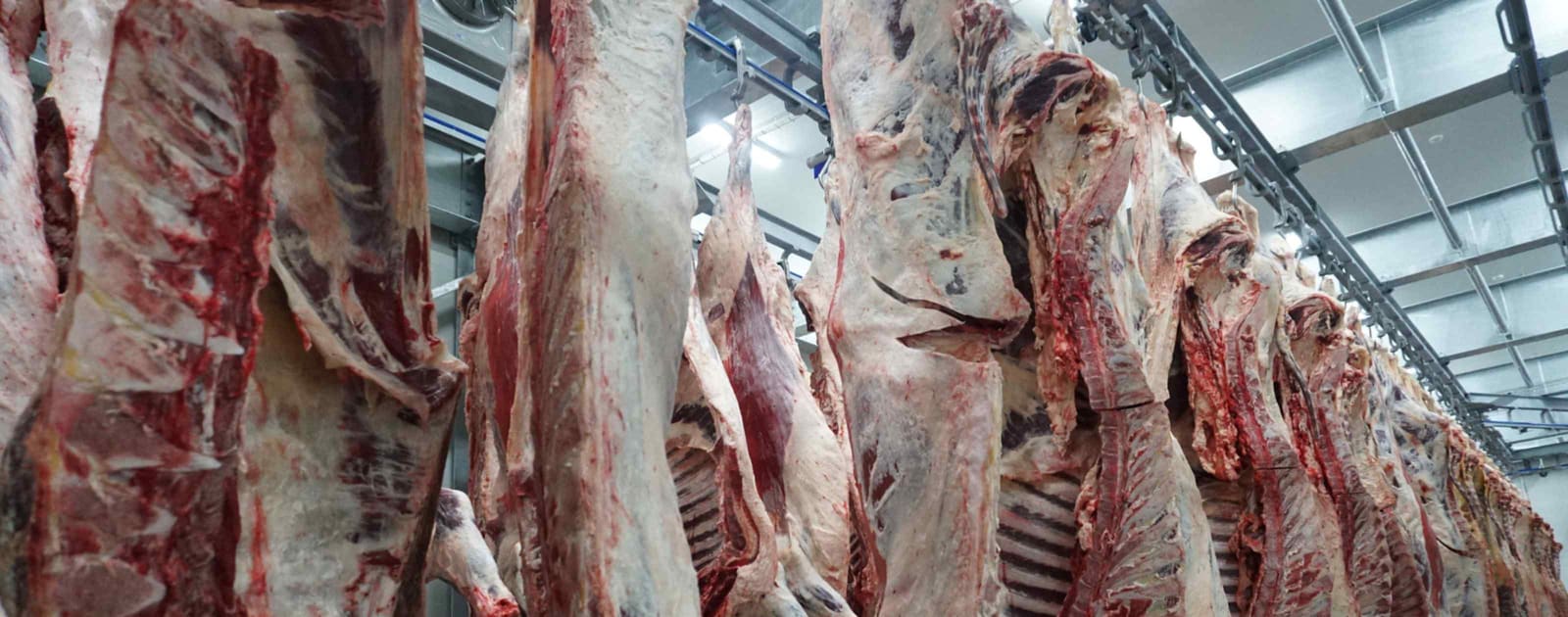
Sojitz is preparing to significantly increase its cattle processing throughput in Vietnam during 2026, adding infrastructure to handle growing demand in one of Southeast Asia's fastest-expanding protein markets. The Tokyo-based trading house operates processing facilities near Hanoi that apply Japanese-standard hygiene protocols, a competitive advantage in a country where cold-chain infrastructure and food safety standards remain uneven.
The company's expansion comes as Vietnam's GDP per capita crosses thresholds historically associated with dietary shifts toward higher-value animal proteins. While pork still dominates Vietnamese tables and poultry consumption has climbed steadily, beef remains underpenetrated relative to regional peers at similar income levels.
Why Vietnam's Beef Market Attracts Investment
Vietnam's beef consumption sits well below that of Thailand, Malaysia, or the Philippines on a per-capita basis, despite comparable or higher income growth rates over the past decade. Sojitz's internal forecasts project that as household incomes rise, Vietnamese consumers will follow consumption patterns seen elsewhere in Asia, where beef becomes a regular protein choice rather than an occasional luxury.
The company is positioning itself to capture that transition by embedding Japanese processing standards into local operations. This includes temperature-controlled slaughter lines, rapid chilling systems, and traceability protocols that mirror those used in Japan's domestic beef industry. For Vietnamese consumers increasingly concerned with food safety after high-profile contamination incidents in recent years, these certifications carry weight.
Sojitz is not alone in eyeing the opportunity. Several regional meat processors have expanded Vietnamese operations over the past three years, and import volumes of Australian and Indian beef have risen steadily. Yet local production still dominates the market, and companies able to scale domestic processing with international hygiene credentials hold an advantage over purely import-driven competitors.
The Challenge of Building a Beef Brand
Vietnam's cattle herd is fragmented across smallholder farms, making consistent quality and supply chain coordination difficult. Unlike Thailand or Australia, where large-scale feedlot systems support standardized output, Vietnamese beef production remains artisanal. Sojitz's strategy involves working directly with farmer networks to improve feed quality and veterinary care, effectively building a semi-integrated supply chain that can deliver the consistency required for branded retail products.
The company aims to establish a recognizable beef brand in Vietnamese supermarkets and food service channels, targeting urban households in Hanoi and Ho Chi Minh City where disposable income growth is strongest. Success will depend on whether Vietnamese consumers prove willing to pay a premium for traceable, hygiene-certified domestic beef over cheaper, unbranded alternatives sold in wet markets.
Regional precedents suggest the model can work. In Thailand, CP Foods and Betagro built dominant positions in processed pork and chicken by combining contract farming with modern processing and retail distribution. In the Philippines, local integrators captured market share from importers by emphasizing freshness and food safety. Sojitz is betting that Vietnam's beef sector is ready for a similar transformation.
Broader Implications for Asia's Protein Trade
The expansion reflects a broader recalibration of protein supply chains across Asia. As China's domestic pork and beef production stabilizes after years of volatility, and as trade tensions reshape import flows, Japanese and regional trading houses are diversifying their sourcing and processing footprints. Vietnam offers a combination of low-cost labor, improving logistics infrastructure, and proximity to major consumption centers in southern China and ASEAN.
If Sojitz's model proves scalable, it could accelerate consolidation in Vietnam's fragmented beef sector and raise the bar for hygiene and traceability standards nationwide. That would benefit consumers but pose challenges for smaller processors unable to afford the capital investment required to meet Japanese-level protocols. The outcome will hinge on whether Vietnam's regulators tighten enforcement of food safety rules, creating a regulatory tailwind for higher-standard operators.
RELATED STORIES

Modi Set to Address Nation Amid Job Crisis as SMIC Reports Earnings
Priyanka V. Rao · 4 min
Vietnam Pours Capital Into Laos as Vientiane Seeks Relief From Beijing Debt
Priyanka V. Rao · 4 min
Shein Retreats From Vietnam Warehouse Bet as China Manufacturing Proves Irreplaceable
Cheng Wei-Lun · 4 min
Thailand Faces Two Decades in Middle-Income Trap Without Workforce Upgrade
Priyanka V. Rao · 3 min
Spot something wrong? Email editor@briefasia.com. We log every correction publicly.