Asia · Trending
Japanese Retailers Strip Toppings From Noodles to Combat Inflation
Lawson's no-frills frozen noodles arrive 20% cheaper as consumers hunt for value in a rising-price environment
KEY TAKEAWAYS
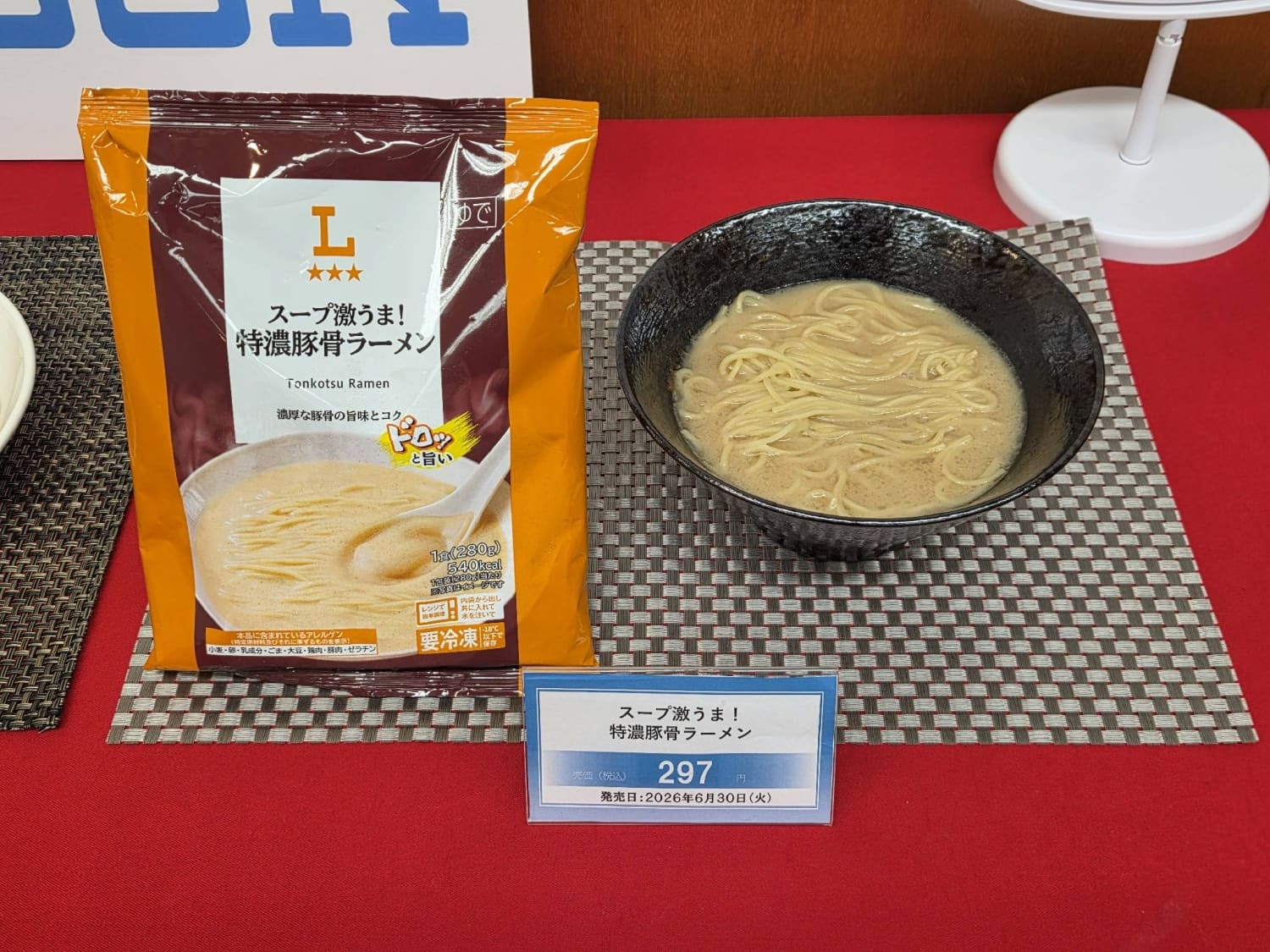
- ·Lawson introduced frozen noodles without toppings priced at ¥297, more than 20% below its topped noodle products, targeting cost-conscious Japanese shoppers.
- ·The move reflects sustained food inflation in Japan driven by a weaker yen, higher import costs, and supply-chain pressures that continue reshaping retail strategies.
- ·Success of stripped-down products will test whether Japanese consumers accept minimalism over the premium convenience-store experience that defined the sector for decades.
A New Minimalist Option
Lawson has launched frozen noodles stripped of all toppings, priced at ¥297 ($1.90), offering Japanese consumers a budget alternative as food inflation continues to squeeze household spending. The convenience store chain's bare-bones product comes in more than 20% below the price of its traditional frozen noodles that include toppings.
The move reflects a broader shift in Japan's retail sector, where chains are redesigning product portfolios to accommodate shoppers increasingly focused on price over convenience or presentation. For decades, Japanese convenience stores built their reputations on premium-quality prepared foods with elaborate garnishes and careful packaging. That calculus is changing.
Inflation Rewrites the Playbook
Japan's food prices have climbed steadily since early 2022, driven by a weaker yen, higher import costs for wheat and energy, and supply-chain disruptions that never fully normalized after the pandemic. The Bank of Japan's shift away from ultra-loose monetary policy has added further pressure, making imported ingredients more expensive and forcing manufacturers to pass costs downstream.
Lawson's decision to eliminate toppings represents a calculated trade-off. By removing ingredients such as sliced pork, green onions, seaweed, or soft-boiled eggs, the company cuts both material costs and labor associated with assembly and packaging. The savings flow directly to the retail price, creating a clear value proposition for cost-conscious buyers.
The ¥297 price point positions the product below competing offerings at rival chains FamilyMart and 7-Eleven, both of which have also experimented with scaled-back prepared meals. Industry observers note that the no-topping format allows retailers to maintain margin while still appearing responsive to consumer pressure.
Customization as a Feature
Stripping toppings also shifts flexibility to the customer. Shoppers who want a fuller meal can add their own ingredients at home, purchasing vegetables, proteins, or condiments separately and tailoring the dish to personal taste or dietary needs. For single-person households and students operating on tight budgets, the barebones noodle becomes a versatile base rather than a compromise.
This approach mirrors strategies seen in other Asian markets where inflation has prompted retailers to unbundle products. In South Korea, convenience stores introduced "DIY kimbap kits" that let customers assemble rolls themselves, cutting labor costs. In Thailand, 7-Eleven launched plain rice bowls sold alongside a la carte side dishes, allowing mix-and-match purchasing.
Japan's demographic profile amplifies the appeal. With nearly 40% of households now single-person units, many shoppers prioritize flexibility and portion control over pre-assembled meals. The no-topping noodle caters directly to that segment.
What Comes Next
Lawson has not disclosed sales targets or rollout timelines for additional SKUs, but the initial launch suggests the company is testing appetite for further simplification. If the product gains traction, expect competing chains to follow with their own stripped-down offerings across categories beyond noodles, including rice bowls, sandwiches, and bento boxes.
The success of no-frills products will hinge on whether Japanese consumers view them as smart economizing or as a downgrade in quality. Convenience store culture in Japan has long emphasized premiumization, even at budget price points. A sustained shift toward minimalism would mark a significant departure from that tradition and signal that inflation pressures have fundamentally altered shopping behavior.
RELATED STORIES
Japan's Core Inflation Edges Up to 1.8% Amid Energy Pressure
Aiko Nakamura · 2 min
Aoki Overtakes Aoyama in Japan's Suit Retail Market Through Diversification Strategy
Aiko Nakamura · 3 min
Japan's Second-Quarter Growth Falls Short as Corporate Spending Stalls
Aiko Nakamura · 3 min
Bank of Japan Eyes September Rate Increase and Faster Tightening Cycle
Aiko Nakamura · 3 min
Spot something wrong? Email editor@briefasia.com. We log every correction publicly.