Asia · Business
Aoki Overtakes Aoyama in Japan's Suit Retail Market Through Diversification Strategy
The longtime rivalry between Japan's two largest menswear chains has shifted as Aoki expands into internet cafes and other ventures beyond traditional formalwear
KEY TAKEAWAYS
- ·Aoki Holdings has overtaken Aoyama Trading to become Japan's largest suit retailer by diversifying into internet cafes and entertainment venues.
- ·Declining demand for business suits driven by casual dress codes and remote work has pressured traditional menswear chains to seek alternative revenue sources.
- ·Aoyama's focus on core suit retail left it more exposed to structural market decline compared to Aoki's multi-sector approach.
A Shifting Landscape in Formalwear
Japan's suit retail sector has witnessed a quiet but significant leadership change. Aoki Holdings has surpassed Aoyama Trading to claim the top position among the country's menswear chains, marking a notable shift in a rivalry that has defined the industry for decades.
The transition reflects broader structural changes in Japanese retail, where traditional business models face pressure from shifting workplace norms and demographic headwinds. Aoki's ascent stems not from dominance in suit sales alone, but from a deliberate pivot into adjacent markets that diversify revenue streams beyond formalwear.
Beyond the Suit Counter
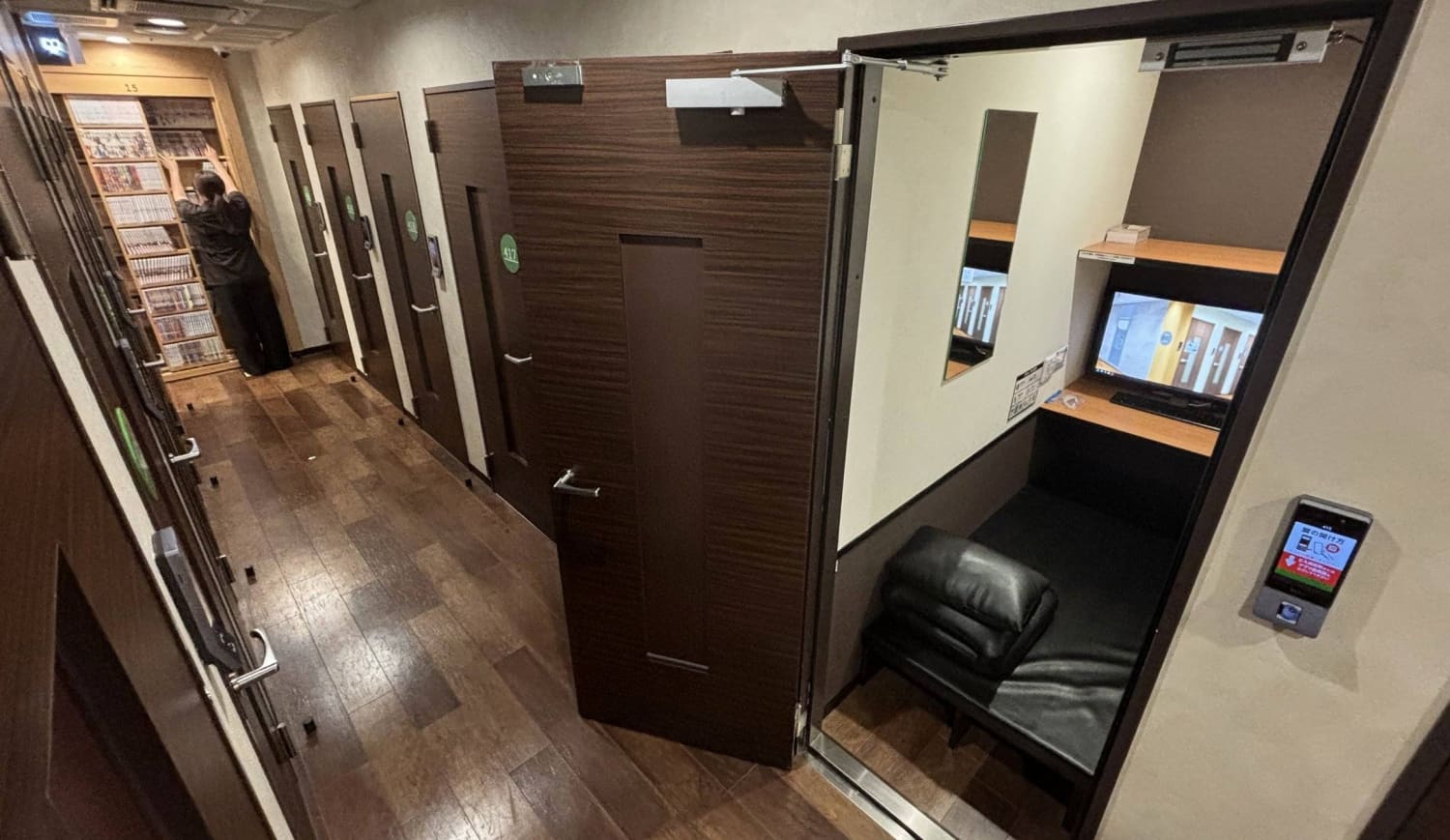
Aoki Holdings operates Kaikatsu Club, a chain of internet cafes that has become a cornerstone of its diversification effort. At the Higashi-Ginza location in Tokyo, rows of locked private booths line both sides of corridors, offering customers short-term rentals for work, rest, or entertainment. The format caters to Japan's urban workforce, travelers between connections, and those seeking temporary private space in densely populated cities.
The internet cafe business represents a strategic hedge against declining demand for business attire. As Japanese companies increasingly adopt casual dress codes and remote work arrangements reduce the need for daily formal clothing, suit retailers face structural revenue challenges. Aoki recognized this shift earlier than competitors and moved to establish alternative income sources.
The company's diversification extends beyond internet cafes. Aoki has invested in karaoke parlors, entertainment facilities, and other lifestyle businesses that target similar customer demographics but operate independently of apparel trends.
The Aoyama Comparison
Aoyama Trading, which held the market leadership position for years, has pursued a more conservative strategy centered on its core menswear business. The company operates a larger network of suit retail locations across Japan and maintains strong brand recognition, particularly in regional markets.
However, Aoyama's concentration in traditional suit retail has left it more exposed to the sector's structural decline. While the company has introduced casual wear lines and attempted to modernize its product mix, these efforts have not offset the broader contraction in demand for business suits.
The contrast between the two companies highlights different strategic responses to the same market pressure. Aoyama has focused on defending and optimizing its existing business model, while Aoki has actively sought growth in unrelated sectors.
Market Dynamics and Demographic Pressure
Japan's suit market has contracted steadily over the past decade. The shift accelerated during the pandemic, when remote work became widespread and many companies relaxed dress codes permanently. Younger workers, who traditionally drove entry-level suit purchases upon joining the workforce, increasingly favor casual or business-casual attire.
Demographic trends compound these challenges. Japan's aging population and declining birthrate mean fewer new graduates entering the workforce each year, shrinking the customer base for entry-level formalwear. At the same time, older professionals who traditionally wore suits daily are retiring.
These forces have pushed suit retailers to rethink their business models. Some have expanded into casual wear or women's fashion. Others have invested in e-commerce or subscription services. Aoki's approach stands out for its willingness to move into entirely different industries.
What Comes Next
Aoki's success in overtaking Aoyama validates its diversification thesis, but the strategy carries risks. Managing internet cafes and entertainment venues requires different operational expertise than retail apparel. The company must balance investment across multiple business lines while maintaining profitability in each.
For Aoyama, the challenge is whether to maintain its focus on core menswear or pursue its own diversification. The company has financial strength and brand equity, but catching up to Aoki's established presence in alternative sectors would require significant capital and time.
The outcome of this rivalry will shape Japan's broader retail landscape. As traditional sectors face disruption, the question is whether companies can successfully transform themselves or whether new entrants will capture adjacent markets. Aoki's current lead suggests that early diversification offers advantages, but sustaining growth across multiple industries remains an open question.
RELATED STORIES

Japan's August Exports Rise 19.3% on Semiconductor Demand
Aiko Nakamura · 3 min
China Imposes Anti-Dumping Measures on Japanese Semiconductor Chemical Imports
Jun-ho Seo · 3 min

Berkshire Hathaway Eyes Larger Stakes in Japan's Top Trading Houses
Cheng Wei-Lun · 3 min

Uniqlo Doubles Down on Flagship Stores to Revive Brand in Home Market
Cheng Wei-Lun · 3 min
Spot something wrong? Email editor@briefasia.com. We log every correction publicly.