Lifestyle · Fashion
Uniqlo Doubles Down on Flagship Stores to Revive Brand in Home Market
Fast Retailing pivots toward premium physical retail as CEO Tadashi Yanai positions tactile shopping as counter to AI-driven commerce
KEY TAKEAWAYS
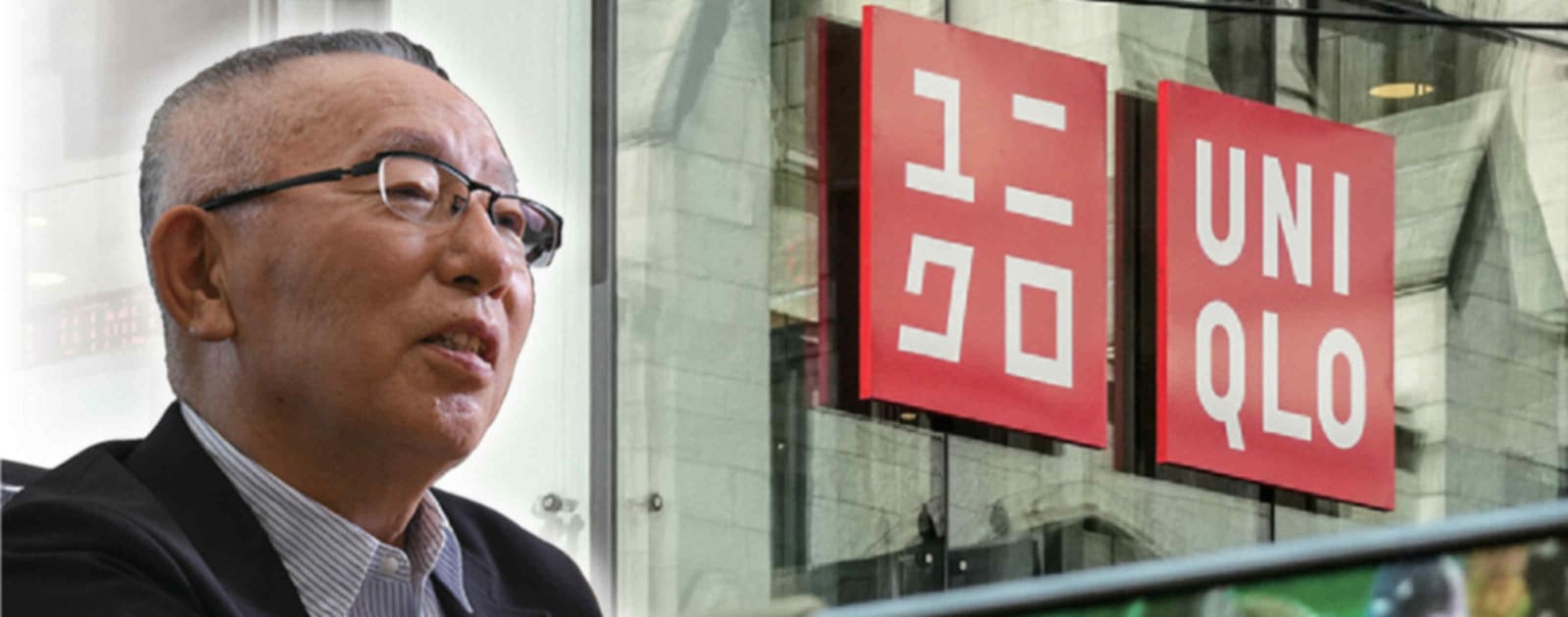
- ·Uniqlo plans to double its flagship store count in Japan over the next three years, focusing on major urban centers to rebuild brand prestige after years of smaller-format expansion diluted its image.
- ·CEO Tadashi Yanai argues physical stores offer irreplaceable tactile and social value that AI-driven e-commerce cannot replicate, positioning the move as a strategic counter to digital commodification.
- ·The pivot comes as Fast Retailing posted strong international growth but faces plateaued domestic sales in Japan and rising competition from ultra-fast-fashion players like Shein.
A Physical Bet in a Digital Age
Uniqlo is reversing course in Japan. After years of expansion through smaller-format outlets, the casual apparel giant is now pouring resources into flagship stores across its home market, a strategy designed to restore brand prestige that executives believe has eroded.
Fast Retailing, Uniqlo's parent company, announced plans to double its flagship store count in Japan as part of a broader effort to reposition the brand beyond its value-focused reputation. The move comes as chairman and CEO Tadashi Yanai argues that physical retail offers something e-commerce cannot replicate: the ability to touch, feel, and experience products before purchase.
The shift marks a significant departure from the company's recent trajectory. Over the past decade, Uniqlo prioritized rapid store expansion in Japan, often favoring smaller locations in suburban shopping centers and urban corridors. While the strategy drove volume, it diluted the brand's image, according to internal assessments. Shoppers began associating Uniqlo with convenience rather than quality or innovation.
Rebuilding Through Experience
Yanai's vision centers on transforming flagship stores into experiential destinations. These locations will showcase the brand's full product range, feature dedicated areas for premium lines like Uniqlo U, and incorporate services such as tailoring and customization. The goal is to create environments where customers linger, explore, and develop deeper connections with the brand.
Fast Retailing has not disclosed specific investment figures or exact locations for the new flagships, but the company has indicated that major urban centers, including Tokyo, Osaka, and Nagoya, will receive priority. The stores are expected to roll out over the next three years.
The emphasis on physical retail appears counterintuitive at a time when digital commerce continues to gain ground. Yet Yanai contends that artificial intelligence and online platforms, while efficient, cannot replace the sensory and social dimensions of in-store shopping. He has framed the flagship strategy as a hedge against the commodification of fashion in an algorithm-driven marketplace.
Regional Context and Competitive Pressure
Uniqlo's pivot reflects broader tensions in Asian retail. While e-commerce penetration in the region has surged, particularly in China and Southeast Asia, several established brands are rediscovering the value of curated physical spaces. In South Korea, cosmetics and fashion retailers have invested heavily in flagship concepts in Seoul's Gangnam and Myeongdong districts. In China, luxury brands continue to open large-format stores in tier-one cities despite the dominance of platforms like Tmall and JD.com.
Fast Retailing's move also comes as competition intensifies. H&M, Zara, and local Japanese brands like GU (also owned by Fast Retailing) are all vying for market share. At the same time, Uniqlo faces pressure from ultra-fast-fashion players such as Shein, which leverage data analytics and direct-to-consumer models to undercut traditional retailers on price and speed.
The company's recent financial performance has been strong. Fast Retailing posted robust third-quarter sales, positioning it to surpass H&M as the world's second-largest apparel retailer by revenue. However, growth has been driven largely by international markets, particularly Greater China and Southeast Asia. Domestic sales in Japan have plateaued, prompting the strategic reset.
What Comes Next
The flagship expansion is part of a broader overhaul. Fast Retailing is also tightening human rights monitoring across its supply chain, responding to scrutiny over labor practices in sourcing regions. In India, the company plans to quintuple its store count to over 100 locations within five years, signaling confidence in South Asia's consumer base.
Whether the flagship gamble pays off will depend on execution. Retail analysts note that experiential concepts require sustained investment in staff training, inventory management, and store design. If Uniqlo can deliver on Yanai's vision, the strategy may restore the brand's luster. If not, the company risks overextending in a market where consumer preferences remain fluid and competition shows no signs of easing.
For now, Uniqlo is making a clear statement: in the race to win over Japanese shoppers, the future is physical.
RELATED STORIES
Uniqlo Pushes Into Philippine Provinces Despite Rising Costs
Priyanka V. Rao · 3 min

Berkshire Hathaway Eyes Larger Stakes in Japan's Top Trading Houses
Cheng Wei-Lun · 3 min

Fujitsu to Exit Commodity Hardware as AI Shifts Production Strategy
Aiko Nakamura · 4 min

Malaysia's Rare Earth Deposits Draw Foreign Interest Ahead of China Export Controls
Priyanka V. Rao · 3 min
Spot something wrong? Email editor@briefasia.com. We log every correction publicly.