Asia · Business
Berkshire Hathaway Eyes Larger Stakes in Japan's Top Trading Houses
CEO Greg Abel signals deeper collaboration on global deals as US conglomerate strengthens its foothold in Japanese sogo shosha

KEY TAKEAWAYS
- ·Berkshire Hathaway is considering raising its stakes in Japan's five largest trading houses - Mitsubishi Corp., Itochu, Mitsui & Co., Sumitomo Corp., and Marubeni - while pursuing joint global investments.
- ·CEO Greg Abel made the comments during his first Tokyo visit since taking the role in January 2026, meeting with trading house executives to discuss performance and collaboration opportunities.
- ·Berkshire has issued $1.7 billion in yen bonds to fund its Japan investments, matching currency exposure and signaling long-term commitment to the market.
Berkshire's Growing Appetite
Berkshire Hathaway is exploring options to expand its ownership in Japan's five major trading houses while pursuing joint investment opportunities and acquisitions alongside these firms worldwide, according to CEO Greg Abel.
The US conglomerate currently holds positions in Mitsubishi Corp., Itochu, Mitsui & Co., Sumitomo Corp., and Marubeni. Abel indicated that Berkshire sees room to deepen these stakes as part of a broader push into collaborative deals across international markets.
Abel made the remarks following meetings with executives from the trading houses during his first trip to Tokyo since assuming the CEO role in January 2026. The visit centered on performance reviews and discussions about potential joint initiatives spanning multiple geographies.
The Appeal of Sogo Shosha
Japan's diversified trading houses, known as sogo shosha, operate across commodities, energy, infrastructure, and consumer goods. Their global networks and diversified portfolios align with Berkshire's investment philosophy of backing businesses with durable competitive advantages and multiple revenue streams.
Berkshire's interest in these firms reflects a calculated bet on Japan's corporate transformation. The trading houses have restructured over the past decade, shedding underperforming assets and focusing on cash-generating businesses. Many now trade at valuations that offer compelling entry points for long-term investors, particularly when measured against their asset bases and dividend yields.
The conglomerate's existing stakes have already moved above the 10 percent threshold in at least two of the trading houses, signaling sustained conviction in the sector. These positions represent one of Berkshire's most significant international equity commitments outside North America.
Joint Ventures on the Horizon
Beyond passive ownership, Abel emphasized Berkshire's interest in working directly with the trading houses on mergers, acquisitions, and co-investments. The model would leverage the Japanese firms' regional expertise and operational capabilities while tapping Berkshire's capital strength and deal-making experience.
Such partnerships could span sectors where both sides have demonstrated competence: infrastructure projects in Southeast Asia, energy transitions in emerging markets, or acquisitions in North America and Europe where Japanese trading houses seek footholds.
Berkshire has already demonstrated this collaborative approach through its tie-up with Tokio Marine, where the two companies have signaled plans to pursue joint acquisitions in markets including Australia and Canada. A similar framework with the trading houses could unlock deals that neither party would pursue independently.
Financing the Japan Push
Berkshire has tapped Japanese debt markets to fund its investments in the country, issuing yen-denominated bonds worth $1.7 billion. The move allows the conglomerate to match currency exposure between its assets and liabilities, reducing foreign exchange risk while taking advantage of Japan's historically low borrowing costs.
The financing strategy underscores Berkshire's long-term commitment to the Japanese market rather than a tactical trade. By locking in yen funding, the company has positioned itself to hold and potentially expand its trading house stakes over multiple years without currency headwinds eroding returns.
Navigating Uncertainty
The trading houses have argued that their diversified models are particularly well-suited to periods of economic and geopolitical volatility. With operations spanning continents and industries, they can shift capital toward opportunities as conditions change, a flexibility that resonates with Berkshire's own approach.
However, questions remain about how these firms will perform in an era dominated by artificial intelligence and rapid technological shifts. Some executives have acknowledged the need to focus on long-term structural needs rather than chasing short-term trends in sectors like semiconductors, where capital intensity and cyclicality pose risks.
For Berkshire, the trading houses represent a way to gain exposure to Asia's growth while mitigating single-country or single-sector concentration. The stakes also provide dividend income, a priority for Berkshire as it manages a massive cash position and seeks yield in a low-rate environment.
Abel's Tokyo visit and his public comments signal that Berkshire views its Japanese trading house investments as a foundation for deeper engagement rather than a completed chapter. Whether through larger equity stakes, joint ventures, or co-led acquisitions, the conglomerate is positioning itself as a strategic partner rather than a passive investor in one of Asia's most distinctive corporate ecosystems.
RELATED STORIES
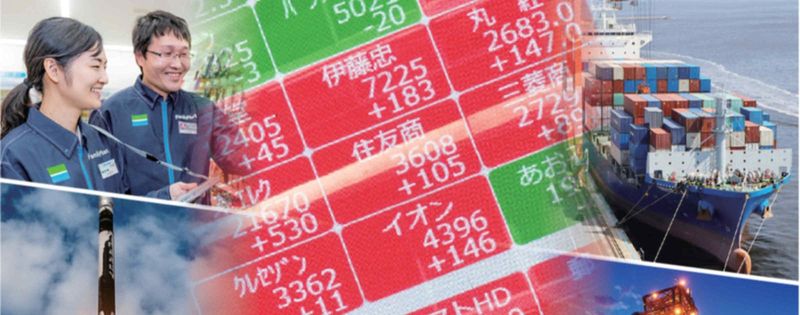
Japan's Trading Houses Defy Conglomerate Discount as Buffett's Successor Plans First Visit
Cheng Wei-Lun · 4 min

Honda Demands 30% Price Cuts From Suppliers in $9.4 Billion Cost Plan
Cheng Wei-Lun · 3 min

Honda and Nissan Face Supply Chain Disruption as US Tariffs Target Canadian Auto Exports
Aiko Nakamura · 3 min
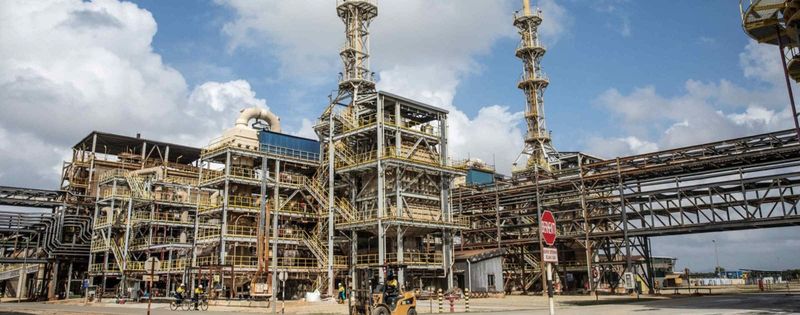
Malaysia's Rare Earth Deposits Draw Foreign Interest Ahead of China Export Controls
Priyanka V. Rao · 3 min
Spot something wrong? Email editor@briefasia.com. We log every correction publicly.