Lifestyle · Fashion
Uniqlo Pushes Into Philippine Provinces Despite Rising Costs
Japanese retailer now operates 81 stores across the archipelago, with expansion plans targeting Luzon, Visayas, and Mindanao markets
KEY TAKEAWAYS
- ·Uniqlo operates 81 stores in the Philippines and plans continued expansion across Luzon, Visayas, and Mindanao regions after 14 years in the market.
- ·The retailer reports steady consumer demand despite elevated fuel and commodity prices, crediting brand trust and product durability.
- ·Uniqlo will direct a portion of AIRism product sales to educational programs in 15 schools, marking the 70th anniversary of Philippines-Japan diplomatic ties.
Growth Trajectory Holds
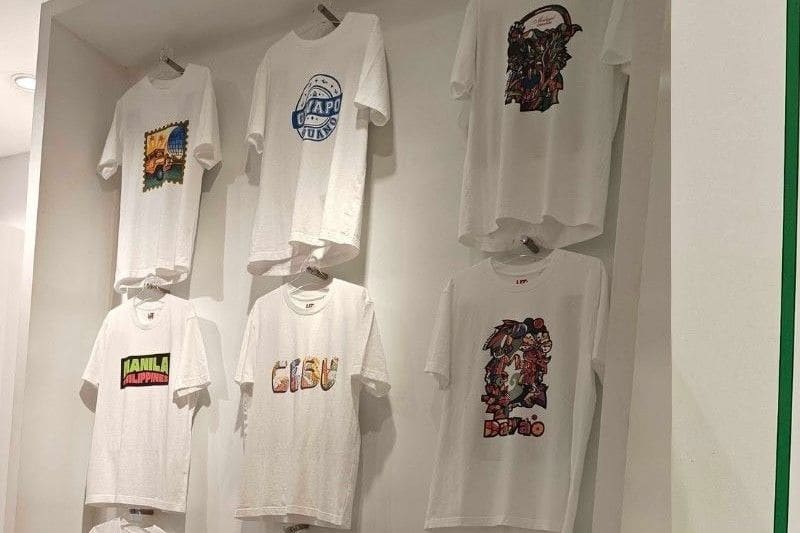
Uniqlo maintains its expansion path in the Philippines, fourteen years after opening its first Manila store. The Japanese apparel chain now runs 81 locations across the archipelago and plans additional openings in Luzon, Visayas, and Mindanao regions, according to Geraldine Sia, Uniqlo Philippines chief operating officer.
The retailer opened its inaugural Philippine store at SM Mall of Asia in 2012. Since then, it has steadily pushed beyond the capital region into provincial markets, banking on the appeal of what the brand calls "LifeWear" clothing built around functional fabrics and durability.
Sia emphasized the company's sustained interest in the market. The brand aims to bring its product range to more Filipino consumers through wider geographic reach, focusing on technology-driven apparel designed for multiple occasions.
Price Pressures Test Consumer Loyalty
The expansion comes as Philippine consumers face higher costs for fuel and basic goods. Yet Uniqlo reports steady foot traffic at its stores, suggesting brand loyalty has weathered the economic headwinds.
Sia credited consumer trust built over more than a decade. The brand positions its offerings as versatile enough for work, travel, family events, and daily wear, a pitch that appears to resonate despite tighter household budgets.
Uniqlo's value proposition centers on clothing engineered to last, reducing the frequency of replacement purchases. That durability argument may carry extra weight when disposable income shrinks.
Sustainability Tied to Diplomatic Milestone
Beyond store count, Uniqlo is weaving sustainability initiatives into its Philippine operations. The company announced that a portion of proceeds from select AIRism product sales will fund educational programs in fifteen schools. The initiative marks the 70th anniversary of Philippines-Japan diplomatic relations and precedes Uniqlo's own fifteenth anniversary in the country in 2027.
The retailer has previously channeled resources into disaster relief, environmental projects, and livelihood programs in the Philippines. Tying product sales to school funding represents a sharper focus on education as a community investment channel.
Regional Footprint in Global Network
Uniqlo's Philippine presence sits within a global network exceeding 2,500 stores. The brand operates in Japan, broader Asia, Europe, and North America, with each market reflecting parent company Fast Retailing's emphasis on affordable basics enhanced by fabric innovation.
The Philippine expansion mirrors strategies in other Southeast Asian markets, where Uniqlo has pursued multi-tier city penetration rather than concentrating solely on capital-city malls. Indonesia, Thailand, and Vietnam have seen similar rollouts, with stores appearing in secondary cities as middle-class consumption broadens.
Sia's remarks suggest Uniqlo views the Philippines as a long-runway opportunity rather than a mature market. With 81 stores serving a population of more than 110 million, the brand has room to deepen coverage before saturation becomes a constraint.
What Expansion Signals
Uniqlo's continued Philippine buildout offers a datapoint on foreign retail confidence in Southeast Asia's consumption story. While inflation and currency volatility have crimped discretionary spending across the region, apparel retailers with established brand equity appear willing to commit capital to store networks.
The company's sustainability angle also reflects a broader shift among Asian-focused consumer brands, which increasingly frame expansion not just as market penetration but as community engagement tied to social programs. Whether that messaging translates to measurable consumer preference remains an open question, but retailers are betting that values alignment matters to younger shoppers.
For now, Uniqlo's store count trajectory in the Philippines suggests the brand sees enough demand elasticity to justify further investment, even as cost pressures test the discretionary budgets of the consumers it aims to reach.
RELATED STORIES

Five ASEAN Members Back Regional Oil Stockpile as Study Nears Completion
Tran Quoc Bao · 3 min

GCash IPO Could Turn Users Into Shareholders
Mariel D. Santos · 3 min
Philippine Stocks Edge Higher as Inflation Cools to Five-Month Low
Jun-ho Seo · 3 min
Jollibee Shifts IPO Plans to Hong Kong After US Listing Target
Cheng Wei-Lun · 3 min
Spot something wrong? Email editor@briefasia.com. We log every correction publicly.