Finance · Markets
Philippine Stocks Edge Higher as Inflation Cools to Five-Month Low
The benchmark PSEi gained for a second straight session after August price growth slowed to 6.1 percent, while the peso hit another record low against the dollar.
KEY TAKEAWAYS
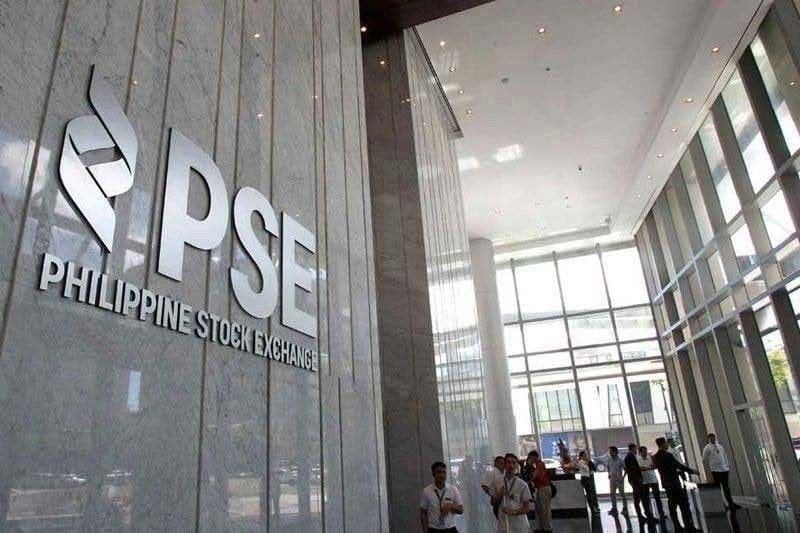
- ·The Philippine Stock Exchange index rose 0.35 percent to 6,090.60 as August inflation eased to 6.1 percent, the slowest pace in five months.
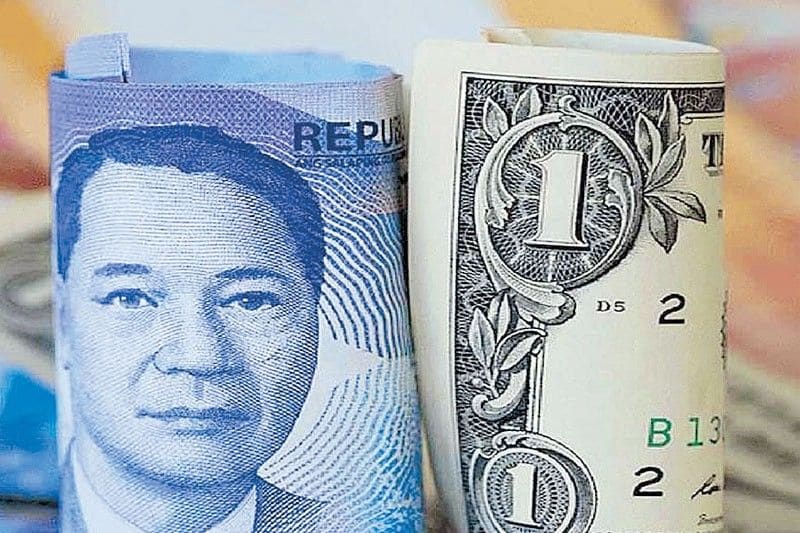
- ·The peso weakened to a record low of 62.59 per dollar, pressured by a strong US dollar, elevated Treasury yields, and caution ahead of US jobs data.
- ·Mining and oil stocks led sectoral gains at 0.75 percent, reflecting export and commodity sector resilience amid currency depreciation.
Inflation Relief Drives Market Sentiment
Manila equities closed higher for a second consecutive session on September 4, buoyed by fresh data showing inflation continued its downward trajectory. The Philippine Stock Exchange index added 21.18 points, or 0.35 percent, to settle at 6,090.60. The broader All Shares index gained 0.23 percent, finishing at 3,377.44.
August headline inflation came in at 6.1 percent, down from 6.2 percent in July, marking the fourth straight month of deceleration and the slowest pace since March. The print aligned with market forecasts, offering a measure of reassurance to investors navigating an environment still marked by elevated price pressures. RCBC chief economist Michael Ricafort noted the figure supported the modest upward correction in the index.
Sector performance was mixed but broadly positive. Mining and oil stocks led gains with a 0.75 percent rise, followed by holding firms, which advanced 0.49 percent. Industrials slipped marginally by 0.005 percent, the sole laggard. Advancers outnumbered decliners 108 to 93, with 54 issues unchanged.
Trading Activity and Top Movers
Turnover remained thin, totaling 3.86 billion peso, down from 5.24 billion the previous session. International Container Terminal Services climbed 0.43 percent to 934.50 peso per share, leading volume. Apex Mining added 0.12 percent to close at 17.20 peso, while Metropolitan Bank remained flat at 65.85 peso.
The subdued trading reflects cautious sentiment as investors weigh domestic inflation trends against external headwinds, particularly US monetary policy dynamics and regional currency volatility.
Peso Weakness Deepens
Despite equity market optimism, the peso extended its slide to a fresh record low. Data from the Bankers Association of the Philippines showed the currency closed at 62.59 per dollar, weaker than the prior day's 62.52. Intraday, the peso touched 62.65 after opening at 62.43.
UnionBank chief economist Ruben Carlo Asuncion attributed the depreciation primarily to external forces. A resilient dollar, elevated US Treasury yields, and investor caution ahead of the US nonfarm payrolls report all weighed on the local unit. The peso's persistent weakness underscores the challenge Philippine policymakers face in balancing domestic growth with external stability.
Policy and Market Implications
The inflation slowdown may provide the Bangko Sentral ng Pilipinas with breathing room, though the currency's trajectory complicates the policy calculus. A weaker peso raises import costs, particularly for fuel and food, which could reignite price pressures even as domestic demand moderates.
For equity investors, the divergence between stock performance and currency trends highlights a familiar Southeast Asian tension. Exporters and dollar earners stand to benefit from peso weakness, while import-dependent sectors and consumer-facing businesses face margin compression. The mining and oil sector's outperformance reflects this dynamic, as commodity producers often invoice in dollars.
Regional peers have faced similar crosscurrents, with central banks across ASEAN managing the dual mandate of price stability and currency defense. Manila's experience mirrors broader challenges in Jakarta, Bangkok, and Kuala Lumpur, where inflation moderation has not translated into currency strength amid persistent dollar demand.
What Comes Next
Market participants will watch upcoming trade data and remittance flows, both critical to the Philippines' external account. Remittances, a pillar of dollar supply, have shown resilience, but any softening would amplify peso pressure. Meanwhile, the trajectory of US interest rates remains the dominant external variable, with Federal Reserve signals likely to dictate near-term sentiment across Asian currencies and equities.
The stock market's ability to sustain gains will hinge on whether inflation continues to ease and whether corporate earnings can withstand the peso's decline. For now, the modest rally offers a counterpoint to currency woes, but the underlying tension between domestic relief and external stress is far from resolved.
RELATED STORIES
Philippine Stock Index Falls Below 6,000 as Rate Increase and Currency Pressure Mount
Priyanka V. Rao · 3 min
Philippine Stocks Fall 1.7 Percent as Currency Hits Record Low
Priyanka V. Rao · 4 min
Philippine Currency Hits All-Time Low Against the Dollar
Priyanka V. Rao · 4 min
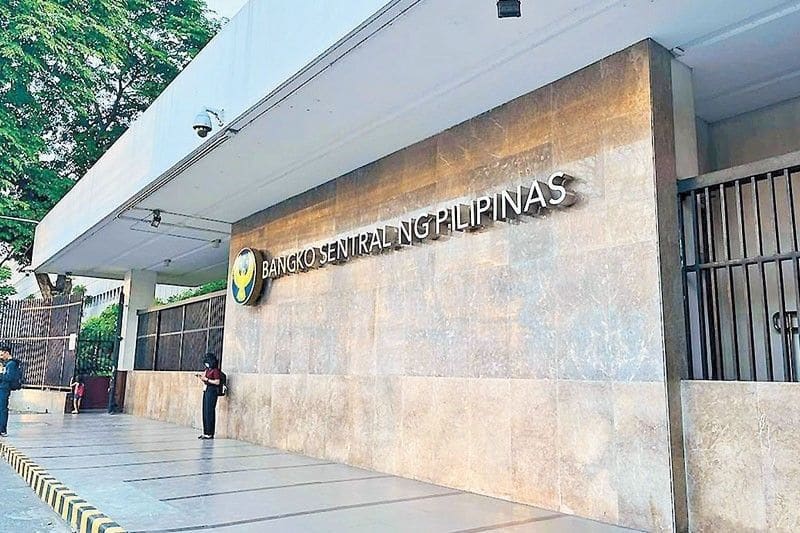
Philippines Central Bank Raises Rate to 5% Despite Economic Slowdown
Priyanka V. Rao · 3 min
Spot something wrong? Email editor@briefasia.com. We log every correction publicly.