Finance · Banking
Philippines Central Bank Raises Rate to 5% Despite Economic Slowdown
Bangko Sentral ng Pilipinas opts for third rate hike in 2026 as inflation stays above 6%, prioritizing price stability over growth concerns
KEY TAKEAWAYS
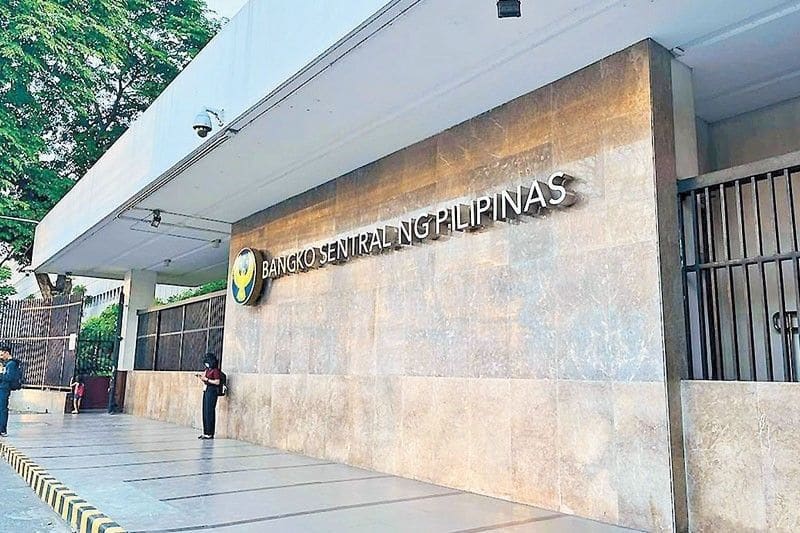
- ·The Bangko Sentral ng Pilipinas raised its benchmark rate by 25 basis points to 5% on August 27, the third increase in 2026, as inflation held at 6.2% in July.
- ·The central bank cited volatile oil prices, severe El Niño agricultural risks, and potential wage adjustments as factors requiring preemptive monetary action despite slow first-half growth.
- ·The BSP expects inflation to remain above its 2% to 4% target range through 2027, with a return to the 3% midpoint not anticipated until 2028.
Third Tightening of the Year
The Bangko Sentral ng Pilipinas lifted its policy rate by 25 basis points to 5% on August 27, choosing price stability over growth as inflation persisted well above the central bank's comfort zone. The Monetary Board simultaneously adjusted the overnight deposit facility to 4.5% and the lending facility to 5.5%.
Headline inflation stood at 6.2% in July, down slightly from 6.4% in June but still far exceeding the BSP's 2% to 4% target band. The central bank said core inflation signals that price pressures are spreading across the economy, not just concentrated in volatile categories.
The move marks the third rate increase in 2026, a cycle that began earlier in the year as inflation proved more stubborn than expected. The BSP now expects average inflation to remain above the upper bound of its target range through both 2026 and 2027, with a return to the 3% midpoint not anticipated until 2028.
Preemptive Strike Against Multiple Risks
According to the Bangko Sentral ng Pilipinas, several factors justified the preemptive tightening. Oil prices remain volatile, and severe El Niño conditions threaten to push agricultural commodity prices higher. Potential wage adjustments pose an additional risk: higher wages could feed into broader price-setting behavior and trigger second-round effects that entrench inflation expectations.
The Philippine Statistics Authority attributed July's modest easing to slower price increases in transport, education services, and restaurants and accommodation. But the BSP's Monetary Board concluded that underlying risks still warranted action.
Transport costs had been a key driver in earlier months, and while the pace of increase moderated in July, the absolute level of prices remains elevated. Education services typically see seasonal adjustments, and the slowdown there may prove temporary when the new school year fully begins.
Growth Concerns Take a Back Seat
The rate hike arrives at an awkward moment for the Philippine economy. Growth in the first half of 2026 came in below expectations, and higher borrowing costs typically restrain both consumer spending and business investment. Yet the Monetary Board said it sees the fundamentals for medium-term growth as intact.
The central bank pointed to fiscal measures as a support mechanism, expecting growth to strengthen in the second half of the year. Government spending has historically played a countercyclical role in the Philippines, and infrastructure projects already in the pipeline may help offset the drag from tighter monetary policy.
Still, the trade-off is stark. Small and medium enterprises, which rely heavily on bank credit, will face higher financing costs at a time when revenue growth is already under pressure. Mortgage rates will tick up, potentially cooling a property market that has been one of the economy's brighter spots.
Regional Context and Forward Guidance
The Philippines is not alone in grappling with the inflation-versus-growth dilemma. Several Southeast Asian central banks have adopted cautious stances this year, balancing domestic price pressures against global economic uncertainty. Indonesia and Thailand have also kept policy relatively tight, though their inflation trajectories differ.
The BSP's forward guidance remains open-ended. The Monetary Board said it is prepared to take further action as warranted to ensure inflation returns to the 3% target, in line with its price stability mandate. That language leaves the door open for additional hikes if inflation does not moderate as expected, or if new shocks emerge.
Currency stability is an unstated but important consideration. A weaker peso would import inflation through higher costs for fuel and other dollar-denominated goods. By signaling its commitment to price stability, the BSP aims to support confidence in the currency and avoid a feedback loop between depreciation and inflation.
The next Monetary Board meeting will be closely watched. If July's inflation figure proves to be the start of a sustained downtrend, the central bank may be able to pause. But if price pressures persist or intensify, another 25-basis-point move could be on the table before year-end.
RELATED STORIES
Philippines Central Bank Set for Third Consecutive Rate Increase
Priyanka V. Rao · 3 min
Philippines Central Bank Launches Cloud Migration Program for Rural Lenders
Priyanka V. Rao · 3 min
Philippine Stocks Face Choppy Week Ahead of Central Bank Decision
Priyanka V. Rao · 3 min
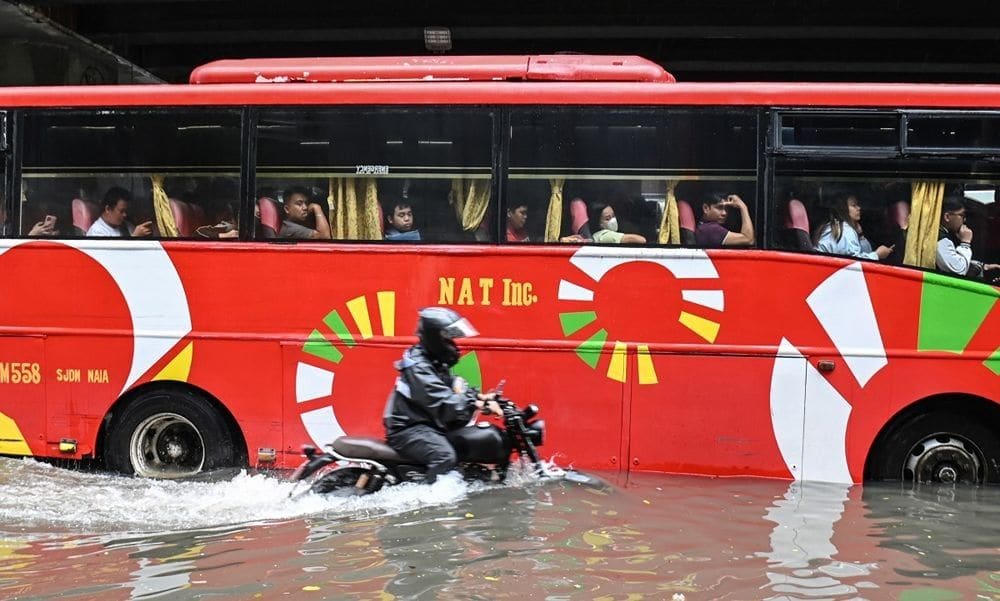
Manila Motorists Face Another Sharp Fuel Hike as Regional Oil Volatility Persists
Priyanka V. Rao · 4 min
Spot something wrong? Email editor@briefasia.com. We log every correction publicly.