Finance · Markets
Philippine Stocks Face Choppy Week Ahead of Central Bank Decision
Bangko Sentral ng Pilipinas meets Aug. 27 as peso weakness and Middle East tensions test Manila's 6,150 support level
KEY TAKEAWAYS
- ·The Philippine Stock Exchange index closed at 6,238.46 Friday but fell 0.93 percent week-on-week, breaching 6,150 support intraweek as US-Iran ceasefire collapsed.
- ·Bangko Sentral ng Pilipinas meets Aug. 27 with analysts expecting a rate hold due to elevated inflation, peso near 61.50 to 61.80, and limited room for easing.
- ·Manila equities are expected to trade between 6,150 support and 6,400 resistance as investors weigh first-half corporate earnings against geopolitical and policy uncertainty.
Volatility Grips Manila Bourse
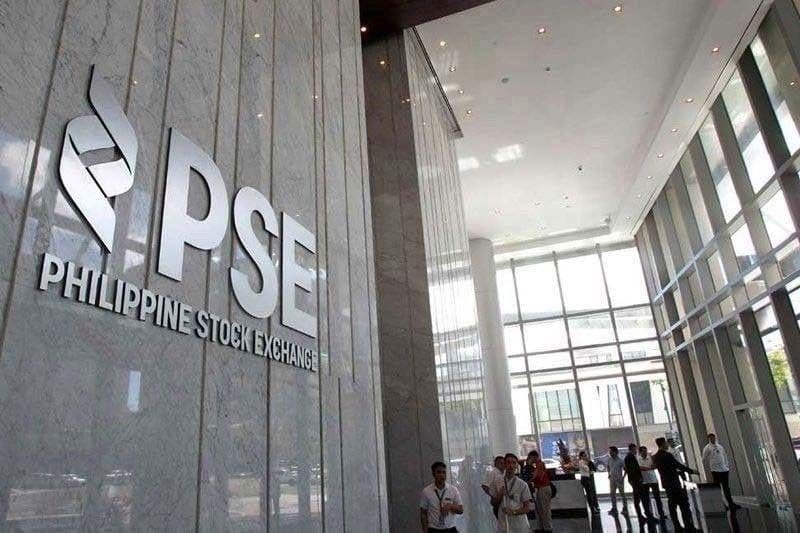
Manila equities closed Friday at 6,238.46, technically in the green, yet the week told a different story. The Philippine Stock Exchange index shed 0.93 percent over the five trading days, betraying intraday weakness that saw the benchmark breach 6,150 before a late-session recovery.
Traders are bracing for more chop this week. Bangko Sentral ng Pilipinas convenes its monetary policy committee on Aug. 27, and the market is split on whether the central bank will hold or cut. With inflation expectations climbing alongside global crude prices and the peso hovering near 61.50 to 61.80 against the dollar, consensus is tilting toward a pause.
Middle East Risk Returns
Geopolitical anxiety is back in focus. The collapse of a US-Iran ceasefire without extension or deal has reignited concerns about oil supply and price stability. Brent and WTI benchmarks have climbed steadily in recent sessions, feeding through into domestic inflation forecasts and complicating the BSP's calculus.
That same dynamic punished Manila equities intraweek. The index briefly dipped below its 6,150 technical support, a level that had held since late July. While Friday's bounce salvaged the close, the breach signals fragility beneath the surface.
Central Bank at a Crossroads
Bangko Sentral ng Pilipinas faces a delicate balancing act. Inflation data for the first half of the year showed stickiness, particularly in food categories, even as second-quarter GDP growth softened. The peso's persistent weakness adds another constraint: any premature easing could accelerate capital outflows and further pressure the currency.
Analysts expect the policy rate to remain unchanged at the Aug. 27 meeting. The combination of elevated inflation, currency vulnerability, and ongoing food-supply volatility leaves little room for maneuver. If the central bank does hold, traders will parse the statement for signals on intervention to stabilize the peso or any shift in forward guidance.
Corporate Earnings in the Spotlight
First-half corporate results continue to trickle in, offering a mixed picture. Some sectors have posted resilient profit growth despite the macro headwinds, while others have flagged margin pressure from higher input costs and softer consumer demand. Earnings season will provide a fundamental anchor for traders navigating the geopolitical and policy uncertainty.
The interplay between corporate performance and macro risk is keeping positioning cautious. Trading desks are watching whether earnings can offset the overhang from the Middle East and the central bank's stance.
Technical Outlook and Range-Bound Trade
Near-term technical support sits at 6,150, with resistance pegged at 6,400. The index is expected to oscillate within that 250-point band as investors weigh competing crosscurrents. A break below 6,150 would open the door to further downside, while a sustained move above 6,400 would require a catalyst, likely from either a dovish BSP surprise or a de-escalation in the Middle East.
Volume has been moderate, suggesting participants are awaiting clearer directional cues before committing fresh capital. The Aug. 27 policy decision will be the week's key event risk, with the potential to set the tone for September trading.
Regional Context and Capital Flows
Manila is not alone in facing this tug-of-war. Across Southeast Asia, central banks are grappling with the same inflation-versus-growth dilemma, complicated by dollar strength and volatile commodity prices. Jakarta, Bangkok, and Kuala Lumpur have all seen equity market churn in recent weeks, as foreign investors reassess emerging Asia allocations in light of shifting Fed expectations and geopolitical risk premiums.
The Philippines' external accounts remain under scrutiny. Persistent balance of payments deficits and dwindling foreign exchange reserves have added pressure on the peso, reinforcing caution among portfolio managers. Any sign that the BSP is willing to tolerate further currency weakness could trigger additional outflows, weighing on both the peso and equities.
For now, traders are positioned defensively, awaiting clarity from the central bank and hoping for a stabilization in oil markets. The week ahead will test whether Manila can hold its technical support or whether another leg lower is in store.
RELATED STORIES

Philippines Faces Currency Pressure as Reserves Fall and Payment Deficit Persists
Priyanka V. Rao · 3 min
Philippines Central Bank Set for Third Consecutive Rate Increase
Priyanka V. Rao · 3 min

Philippines Central Bank Clears P2.8 Billion in Legacy Debt
Priyanka V. Rao · 3 min

Robinsons Retail Exits Philippine Stock Exchange After 13 Years
Priyanka V. Rao · 2 min
Spot something wrong? Email editor@briefasia.com. We log every correction publicly.