Finance · Banking
Philippines Central Bank Set for Third Consecutive Rate Increase
Monetary authorities face mounting pressure to contain inflation and stabilize the currency despite sharp economic deceleration in Q2
KEY TAKEAWAYS
- ·Nine of 13 economists surveyed expect the Bangko Sentral ng Pilipinas to raise its benchmark rate 25 basis points to five percent on August 27, the third consecutive increase.
- ·Philippine inflation eased to 6.2 percent in July but remains above the central bank's two-to-four-percent target range while the peso weakened to nearly 62 per dollar.
- ·The economy expanded just 2.3 percent in the second quarter, its weakest performance since the pandemic, complicating the policy decision for monetary authorities.
Policy Crossroads
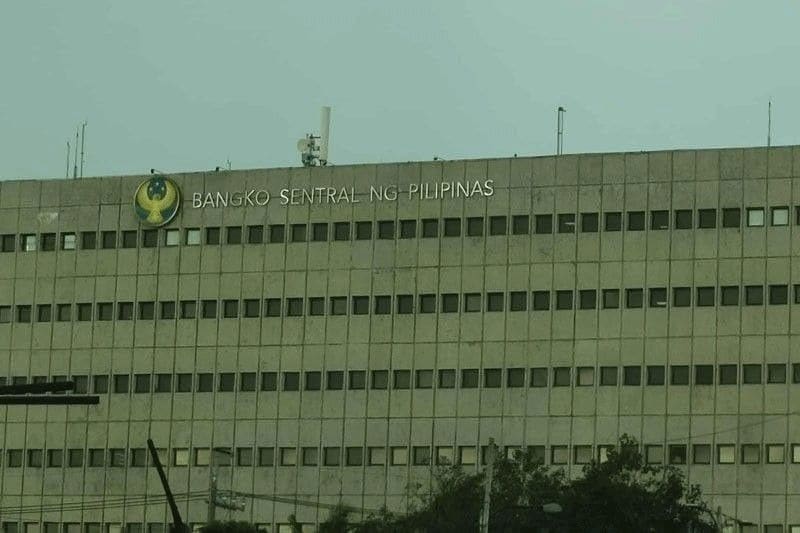
The Bangko Sentral ng Pilipinas meets Thursday to decide whether containing runaway prices justifies further monetary tightening even as the Philippine economy stumbles through its worst quarter in years. A majority of market watchers anticipate the central bank will push its benchmark rate up by another quarter point to five percent, marking the third consecutive increase this cycle.
In a survey of 13 economists, nine forecast the Bangko Sentral will deliver the quarter-point move when the Monetary Board convenes on August 27. Four analysts expect policymakers to hold steady at 4.75 percent, pointing to softening consumer demand and the economy's jarring second-quarter contraction.
The decision crystallizes the trade-off facing Southeast Asian monetary authorities this year: stabilizing prices and exchange rates without choking off growth that has already slowed dramatically.
Inflation Concerns Persist
Consumer price increases moderated to 6.2 percent in July, down from 6.4 percent the previous month and extending a three-month cooling trend. Yet that figure still sits well outside the central bank's two-to-four-percent target corridor, and forward-looking indicators suggest upward pressure remains.
According to HSBC, the rate increase would create a cushion against both domestic price risks and foreign exchange volatility. The institution noted that gross international reserves declined to approximately $103 billion in July while the peso weakened to nearly 62 against the dollar last week.
BPI's economics team emphasized that inflation threats now extend beyond food categories, citing potential disruptions from monsoon flooding, elevated fertilizer expenses, possible El Niño conditions, and pending wage adjustments in Metro Manila. Currency depreciation compounds these pressures by raising the cost of imported goods precisely when external buffers have thinned.
Citi maintained its projection for quarter-point moves in both August and October, though analysts acknowledged growing odds of a pause at the October meeting if inflation forecasts shift lower or economic data deteriorates further.
Growth Headwinds
The Philippine economy expanded just 2.3 percent in the second quarter, its weakest performance since the pandemic. That sharp deceleration forms the centerpiece of arguments for keeping policy unchanged.
Chinabank's chief economist argued that subdued domestic consumption and moderating core inflation provide room for patience. The bank still sees potential for one additional increase in the fourth quarter should price risks intensify.
PNB's economics team expects what it termed a "hawkish hold," noting that core inflation has moderated to 4.2 percent and citing the disappointing GDP print as justification for waiting. Standard Chartered likewise forecasts the benchmark will remain at 4.75 percent through year-end, arguing that weak demand-side inflation allows policymakers to look past supply-driven price pressures provided expectations stay anchored.
Multiple Hikes Scenario
Several institutions project the tightening cycle will extend beyond Thursday's meeting. Metrobank anticipates two additional quarter-point moves this year, bringing the policy rate to 5.25 percent by December. RCBC shares that view, contending that further increases would help stabilize the currency, manage inflation expectations, and keep policy settings ahead of the price trajectory.
UnionBank, Security Bank, and Reyes Tacandong each forecast Thursday's move will be the final increase of 2026, arguing it would demonstrate commitment to price stability while preserving flexibility for the months ahead.
Moody's characterized the decision as a close call given the conflicting signals from inflation data and growth figures, but assessed the odds as tilted toward tightening.
Regional Context
The Philippine central bank's dilemma mirrors challenges facing monetary authorities across emerging Asia, where currency pressures and imported inflation compete with domestic growth concerns for policy attention. Unlike several regional peers that have begun easing cycles, the Bangko Sentral confronts above-target inflation that constrains its room to support the economy.
Thursday's decision will signal how policymakers weigh the immediate pain of slower growth against medium-term risks from persistent price pressures and a weakening external position. Either choice carries significant consequences for an economy navigating heightened uncertainty in the second half of 2026.
RELATED STORIES
Philippines Central Bank Clears P2.8 Billion in Legacy Debt
Priyanka V. Rao · 3 min

Philippines Central Bank Warns Digital Access Alone Won't Achieve Financial Inclusion
Priyanka V. Rao · 3 min
Philippine Stocks Face Choppy Week Ahead of Central Bank Decision
Priyanka V. Rao · 3 min
Philippines Plans Retail Bond Return as Treasury Eyes Small Investor Demand
Priyanka V. Rao · 3 min
Spot something wrong? Email editor@briefasia.com. We log every correction publicly.