Finance · Banking
Philippines Central Bank Warns Digital Access Alone Won't Achieve Financial Inclusion
BSP says affordability and literacy barriers must fall before digital payments can truly serve the unbanked
KEY TAKEAWAYS
- ·The Bangko Sentral ng Pilipinas says transaction costs remain the top barrier preventing millions of Filipinos from using digital payments, despite rising account ownership.
- ·The central bank promotes basic deposit accounts requiring no more than 100 pesos to open and no maintaining balance fees, alongside interoperable payment systems.
- ·BSP measures success not by adoption rates but by whether digital finance improves households' ability to save, access credit, and withstand economic shocks.
The Access Gap Persists
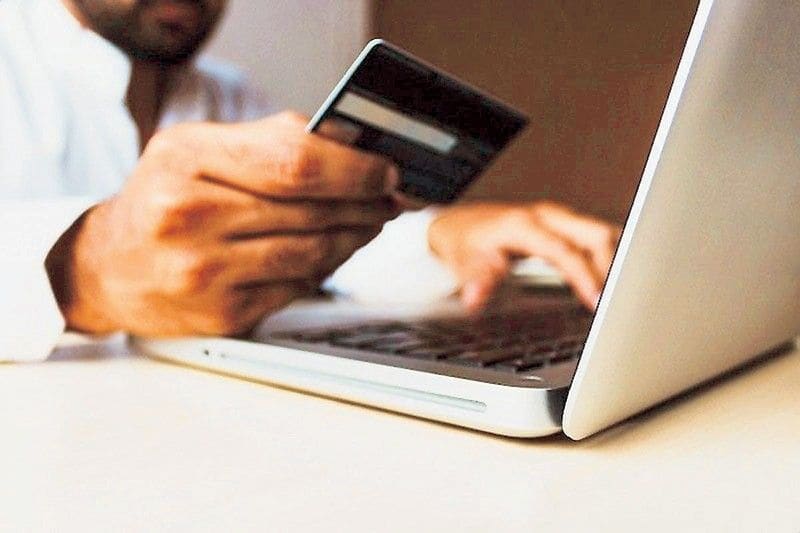
The Bangko Sentral ng Pilipinas has doubled down on a message many fintech cheerleaders prefer to ignore: getting people to open accounts or download e-wallets does not equal financial inclusion. In a statement this week, the central bank made clear that affordability remains the single largest obstacle preventing millions of Filipinos from participating in the formal financial system.
Survey data collected by the BSP shows transaction costs consistently rank among the top reasons Filipinos who are aware of digital payments choose not to use them. The central bank argues that meaningful inclusion requires services that are not only accessible but also affordable, understandable, and genuinely useful.
Digital payments have become the most widely adopted financial service in the Philippines, yet the BSP views them as a gateway rather than a destination. The hope is that once individuals begin transacting digitally, they will move on to savings products, credit facilities, investment options, and insurance coverage. But that progression stalls when fees eat into already thin margins.
Costs Are Only Part of the Problem
Lower transaction fees alone will not unlock the market, the central bank cautions. A cluster of friction points continues to keep large segments of the population outside the banking perimeter: minimum balance requirements, account opening documentation, unreliable internet connectivity, insufficient access points, weak financial literacy, low digital fluency, and fragile consumer trust.
To chip away at these barriers, the BSP has promoted basic deposit accounts that require an opening amount of no more than 100 Philippine pesos and carry no maintaining balance or dormancy charges. The regulator has also championed interoperability across banks and non-bank financial service providers, allowing users on different platforms to send and receive payments without switching apps or incurring punitive fees.
Interoperability reduces the network effect problem that has historically locked users into single ecosystems. When a domestic helper in Metro Manila can send money to a relative in Mindanao using any e-wallet or bank app, the friction cost of adoption falls materially.
Literacy and Competition as Levers
Financial and digital literacy occupy a central place in the BSP's inclusion strategy. The central bank runs the BSP E-Learning Academy and coordinates financial education programs aimed at building confidence and competence among first-time users. Parallel efforts focus on consumer protection, recognizing that a single fraud incident can sour an entire community on digital finance.
Competition is another lever. The BSP believes that rivalry among traditional banks, e-wallet providers, fintech startups, and other players will drive down prices and improve service quality. The Philippine digital finance landscape has grown crowded in recent years, with established telecoms, new entrants, and regional platforms all vying for share. That competition has already compressed some fee structures, though the benefits have not yet reached all corners of the archipelago.
Beyond Usage to Financial Health
The central bank insists the ultimate test of inclusion is not how many people hold accounts or make digital transactions, but whether those services improve households' ability to manage day-to-day expenses, accumulate savings, access appropriate credit and insurance, and withstand economic shocks.
"Access and usage are not ends in themselves," the BSP said. "The broader goal is financial health." That framing shifts the conversation from vanity metrics toward outcomes that matter for poverty reduction and economic resilience.
As the lead agency implementing the National Strategy for Financial Inclusion, the BSP coordinates with other government departments and private-sector stakeholders to dismantle structural barriers. The strategy acknowledges that digital rails are necessary but insufficient, and that policy must address everything from identity verification bottlenecks to the availability of agent banking in remote barangays.
What Comes Next
The central bank's public emphasis on affordability signals that fee structures will remain under scrutiny. While the BSP has not announced new price caps or mandates, its rhetoric suggests regulators are watching closely as fintech margins come under pressure and business models mature.
For investors and operators in the Philippine digital finance space, the message is unambiguous: scale and transaction volume growth will not be enough to satisfy regulators or serve the market. The next phase of the sector's evolution will be measured by how well platforms convert access into tangible improvements in financial well-being, particularly for low-income and rural users who have been underserved for decades.
The BSP's stance also reflects a broader regional trend. Central banks across Southeast Asia are grappling with similar questions as digital finance penetration rises but economic inequality persists. Manila's focus on financial health rather than headline adoption numbers may offer a template for neighbors navigating the same terrain.
RELATED STORIES
Philippines Shifts Digital Payments From Convenience to Critical Infrastructure
Priyanka V. Rao · 3 min

Philippines Central Bank Clears P2.8 Billion in Legacy Debt
Priyanka V. Rao · 3 min

I-Remit Approves $400,000 Capital Infusion as Vice Chairman Emerges With 47% Stake
Priyanka V. Rao · 2 min
Philippines Holds A- Credit Rating as Infrastructure Delays Cloud Growth
Priyanka V. Rao · 3 min
Spot something wrong? Email editor@briefasia.com. We log every correction publicly.