Asia · Politics
Philippines Moves to Suspend 40 Power Firms Over Compliance Failures
Energy regulators escalate enforcement as diesel generators miss reporting deadlines amid grid strain across Visayas and other regions
KEY TAKEAWAYS
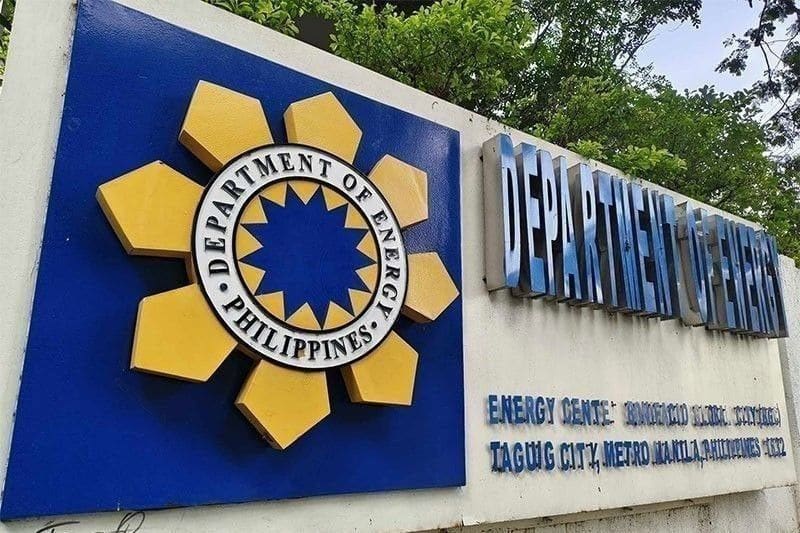
- ·The Philippine Department of Energy will recommend suspension of at least 40 power generation companies to the Energy Regulatory Commission for ignoring show-cause orders and failing to submit mandatory self-assessment forms.
- ·Most firms under scrutiny operate small diesel plants, with several no longer operational, removing capacity from the grid as the Visayas region faces repeated yellow alerts from forced outages.
- ·New draft guidelines establish a three-tier enforcement system, with second offenses triggering certificate suspension and third offenses resulting in blacklisting and potential revocation of regulatory authorizations.
Crackdown on Non-Compliant Generators
The Philippine government is escalating enforcement action against power generation companies that have ignored compliance orders, with at least 40 firms now facing suspension. Energy Secretary Sharon Garin confirmed that the Department of Energy will recommend suspensions to the Energy Regulatory Commission after the companies continued to disregard show-cause orders.
Most of the firms under scrutiny operate small diesel-fired power plants, according to Garin. Several have already ceased operations entirely, effectively removing capacity from the national grid at a time when the country faces persistent supply constraints. The Visayas grid in particular has experienced repeated yellow alerts as multiple generating units have gone offline simultaneously.
The Department of Energy issued show-cause orders requiring the companies to explain why they failed to submit mandatory self-assessment forms. The firms are also being asked to account for forced outages, reduced generation levels, and their failure to deliver committed capacity to the grid.
Stricter Enforcement Framework
The department released draft supplemental guidelines last week that formalize a three-tier accountability system for generation companies. Under the proposed rules, a company found in prima facie violation will be issued a show-cause order and placed under strict compliance monitoring.
First offenses result in a stern warning and mandatory compliance with enhanced monitoring requirements. Failure to submit required reports or documents within prescribed deadlines constitutes a second or third offense.
Second offenses trigger referral to the Energy Regulatory Commission for potential suspension of the company's certificate of endorsement issued by the Department of Energy. Third offenses carry heavier penalties, including blacklisting from department-administered programs and potential revocation of compliance certificates or other authorizations granted by the commission.
Grid Reliability Under Pressure
The enforcement push comes as the Philippines grapples with recurring power supply challenges. The Visayas grid was placed under yellow alert on August 23 from 6 to 9 p.m. following forced generator outages and derated capacity. Yellow alerts indicate that operating reserves have fallen below required levels, raising the risk of rotating brownouts if additional units trip offline.
The Department of Energy has been meeting since last week to determine appropriate action against non-compliant firms. The decision to escalate cases to the Energy Regulatory Commission represents a shift toward more aggressive enforcement of reporting and performance standards.
The proposed circular aims to ensure timely submission of complete, accurate, and transparent reports while promoting due process and regulatory consistency. The department emphasized that the measures support its mandate to uphold reliability, adequacy, security, and resilience across the electric power industry.
Broader Regulatory Context
The move to suspend non-compliant generators reflects growing frustration among regulators over persistent gaps in grid performance and transparency. Mandatory self-assessment forms are designed to provide regulators with real-time visibility into plant availability, maintenance schedules, and the reasons behind generation shortfalls.
When generators fail to submit these reports, regulators lose critical data needed to forecast supply conditions and coordinate dispatch. The problem is particularly acute with smaller diesel plants, which often operate with minimal staff and limited administrative capacity.
Some of the firms facing suspension are no longer operational but have not formally decommissioned or notified regulators of their status. These "zombie" assets complicate grid planning and create phantom capacity that appears on paper but cannot be called upon during tight supply conditions.
The Department of Energy did not disclose the names of the 40 companies or specify the total megawatt capacity at risk of suspension. However, the enforcement action signals a broader regulatory recalibration as the Philippines works to stabilize power supply ahead of peak demand periods and the ongoing transition toward renewable energy sources.
The Energy Regulatory Commission will ultimately decide whether to impose suspensions and for how long, following its own due process procedures. The commission has jurisdiction over licensing and compliance enforcement for generation, transmission, and distribution companies operating in the Philippine power sector.
RELATED STORIES
KKR Eyes 8.4% Stake in Philippines Power Producer First Gen
Mariel D. Santos · 3 min
Philippines Faces Prolonged Budget Deficit as Growth Slowdown Shifts Fiscal Timeline
Priyanka V. Rao · 3 min

Philippines Logs 800 Million Government Transactions Through Single Mobile App
Mariel D. Santos · 4 min
Philippines Cuts Poverty Rate to Single Digits for First Time
Priyanka V. Rao · 3 min
Spot something wrong? Email editor@briefasia.com. We log every correction publicly.