Finance · Deals
Robinsons Retail Exits Philippine Stock Exchange After 13 Years
The Gokongwei-owned retailer's delisting takes effect August 31 following a tender offer that reduced public float to 0.31 percent
KEY TAKEAWAYS
- ·The Philippine Stock Exchange approved Robinsons Retail Holdings' voluntary delisting effective August 31, ending the Gokongwei-owned retailer's nearly 13-year public listing.
- ·A tender offer from JE Holdings at P48.30 per share acquired 21.54 percent of outstanding stock, reducing public float to 0.31 percent and triggering the delisting process.
- ·The company cited persistent gaps between market valuations and intrinsic value as the rationale, joining a regional trend of family conglomerates taking retail units private.
Exchange Approves Exit
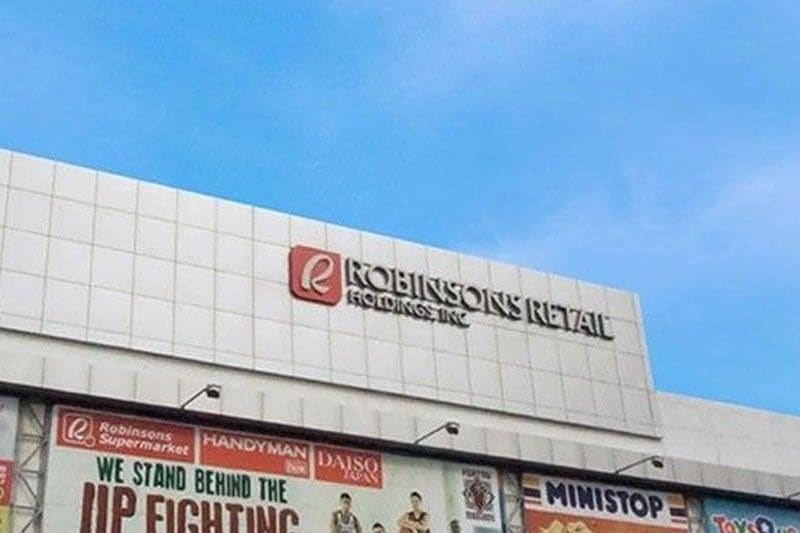
The Philippine Stock Exchange has cleared the way for Robinsons Retail Holdings Inc. to leave the Manila bourse, with the delisting effective August 31. The multi-format retailer, controlled by the Gokongwei family through JG Summit Holdings, will conclude nearly 13 years as a publicly traded company.
The exchange removed RRHI from three benchmark indexes on July 16: the PSE Dividend Yield Index, PSE MidCap Index, and Services Index. Trading in RRHI shares was suspended following a block sale on July 13 that pushed the company's public ownership below regulatory minimums.
Tender Offer Mechanics
JE Holdings Inc., the acquiring entity, purchased shares through a tender offer that ran from May 25 to July 6. The acquisition encompassed 21.54 percent of RRHI's outstanding capital stock at P48.30 per share. The block sale executed through the exchange's facilities brought the public float down to just 0.31 percent, well under the PSE's minimum public ownership threshold.
The company cited a persistent disconnect between market valuations and intrinsic value as the rationale for pursuing a voluntary exit. RRHI operates supermarkets, department stores, drugstores, and convenience outlets across the Philippine archipelago, including the Robinsons Supermarket, Robinsons Department Store, South Star Drug, and Ministop brands.
IPO to Delisting
RRHI debuted on the Philippine Stock Exchange on November 11, 2013, raising P28.12 billion through the sale of primary and over-allotment shares in its initial public offering. At the time, the listing represented one of the largest retail IPOs in Southeast Asia and provided the Gokongwei group's retail arm with a separate public vehicle from its parent conglomerate.
The delisting follows a broader pattern among Philippine family conglomerates reassessing the costs and benefits of maintaining separate listed entities for individual business units. Public market valuations for retail operators across emerging Asia have faced pressure from e-commerce competition, changing consumer habits, and pandemic-related disruptions to brick-and-mortar operations.
Regional Context
The Philippine retail sector has seen heightened consolidation activity as operators seek scale advantages and digital capabilities. Local players face intensifying competition from regional e-commerce platforms including Shopee, Lazada, and TikTok Shop, which have captured growing wallet share among Filipino consumers.
The Gokongwei group retains multiple publicly traded entities including JG Summit Holdings, Universal Robina Corporation, and Cebu Air. The decision to take RRHI private allows the family office greater operational flexibility without quarterly earnings scrutiny and the compliance burden of exchange listing requirements.
Manila-based analysts note that private ownership structures can accelerate strategic pivots, including store format experiments, technology investments, and supply chain reconfiguration, without the market volatility that often accompanies transformation initiatives at public retailers.
What Comes Next
The delisting leaves minority shareholders who did not tender their shares during the May-July window with limited liquidity options. Philippine securities regulations require companies undertaking voluntary delisting to provide exit mechanisms for public investors, which RRHI fulfilled through the tender offer priced at a premium to prevailing market levels.
The Gokongwei family now controls RRHI with near-total ownership, positioning the retailer to pursue longer-term strategies outside the glare of public markets. Whether this structure proves more conducive to competing against digital-native rivals and regional retail giants will become clear in the coming years as the Philippine consumer market continues its evolution.
RELATED STORIES

Philippines Central Bank Warns Digital Access Alone Won't Achieve Financial Inclusion
Priyanka V. Rao · 3 min
Philippines Shifts Digital Payments From Convenience to Critical Infrastructure
Priyanka V. Rao · 3 min
Philippines Holds A- Credit Rating as Infrastructure Delays Cloud Growth
Priyanka V. Rao · 3 min
Philippines Central Bank Clears P2.8 Billion in Legacy Debt
Priyanka V. Rao · 3 min
Spot something wrong? Email editor@briefasia.com. We log every correction publicly.