Finance · Banking
Philippines Central Bank Launches Cloud Migration Program for Rural Lenders
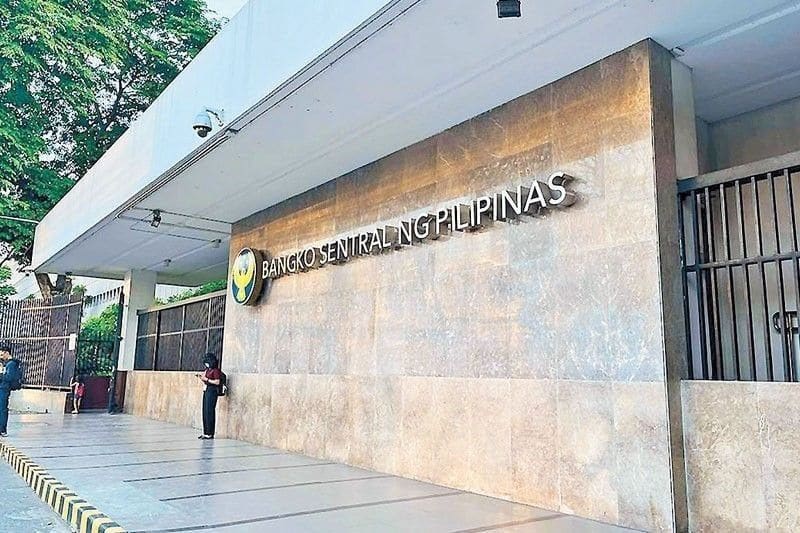
Bangko Sentral ng Pilipinas offers technical support to help countryside banks transition from legacy systems to modern cloud infrastructure
KEY TAKEAWAYS
- ·The Bangko Sentral ng Pilipinas is providing technical assistance to help qualified rural banks migrate from legacy IT systems to cloud-based core banking platforms.
- ·The program aims to strengthen operational resilience and competitiveness among rural lenders as digital financial services expand rapidly across the Philippines.
- ·Success depends on uptake among rural banks and regulatory clarity around data sovereignty and outsourcing risk in cloud environments.
Moving Rural Finance to the Cloud
The Bangko Sentral ng Pilipinas has launched a technical assistance initiative designed to help eligible rural banks shift away from outdated information technology infrastructure toward cloud-based core banking systems, according to the central bank.
The program targets a segment of Philippine finance that has historically lagged in technological adoption. Rural banks, which serve agricultural communities and small enterprises across the archipelago's provinces, often operate on decades-old IT platforms that limit their ability to offer digital services or compete with larger commercial banks and fintech providers.
Technical Support Framework
Under the new initiative, the BSP will provide hands-on technical guidance to qualified rural banks seeking to modernize their core banking operations. The assistance covers migration planning, vendor evaluation, and implementation support as institutions transition from on-premise legacy systems to cloud-hosted platforms.
Cloud-based core banking systems allow financial institutions to reduce capital expenditure on physical servers and data centers while gaining access to scalable computing resources. For rural banks with limited IT budgets and staff, the shift can unlock capabilities such as real-time transaction processing, mobile banking integration, and automated compliance reporting.
The central bank's involvement signals recognition that technology gaps among smaller lenders pose systemic risks. Rural banks that cannot keep pace with digital transformation face declining customer bases as consumers migrate to mobile wallets and digital-first competitors. Their struggles can also leave underserved communities with fewer formal banking options.
Strengthening Resilience in a Digital Era
The BSP framed the program as essential for building resilience across the Philippine banking system. Legacy IT systems are vulnerable to outages, cyberattacks, and data loss, and many lack the redundancy and disaster recovery features standard in cloud environments. By encouraging cloud adoption, the regulator aims to reduce operational risk and improve business continuity planning among rural institutions.
The Philippines has seen rapid growth in digital financial services over the past five years. Mobile money platforms and digital banks have expanded aggressively, particularly in urban centers, while traditional rural banks have struggled to invest in comparable technology. The BSP has been pushing broader digitalization initiatives, including open banking frameworks and real-time payment rails, that require modern IT infrastructure to access.
Asia's Divergent Cloud Adoption
The Philippine program reflects a broader pattern across Southeast Asia, where regulators are balancing innovation with inclusion. In Indonesia, Bank Indonesia has similarly encouraged smaller banks to adopt cloud services, while Singapore's Monetary Authority has issued detailed cloud computing guidelines that major banks have already implemented at scale.
Cloud adoption among financial institutions varies widely across the region. Large commercial banks in markets such as Singapore, Hong Kong, and South Korea have migrated significant workloads to public and hybrid cloud platforms, partnering with global providers. Smaller institutions in frontier markets, however, face barriers including cost, talent shortages, and uncertainty about regulatory treatment of cloud-hosted data.
The BSP's hands-on approach aims to address these barriers directly. By offering technical assistance rather than simply issuing guidelines, the central bank is lowering the threshold for rural banks that lack in-house expertise to evaluate cloud vendors or manage complex migrations.
What Comes Next
The success of the initiative will depend on uptake among rural banks and the BSP's ability to sustain technical support over multi-year migration timelines. Cloud transitions are resource-intensive, requiring data mapping, application refactoring, staff retraining, and parallel system operation during cutover periods.
Regulatory clarity will also matter. The BSP will need to address questions around data sovereignty, cross-border data flows, and outsourcing risk management as rural banks move sensitive customer information to cloud environments operated by third-party providers.
If executed well, the program could serve as a model for other regulators seeking to modernize fragmented banking sectors. The alternative, leaving rural banks to navigate cloud migration alone, risks widening the technology gap and accelerating consolidation as weaker institutions fail to compete.
RELATED STORIES

Philippines Central Bank Warns Digital Access Alone Won't Achieve Financial Inclusion
Priyanka V. Rao · 3 min

Philippines Central Bank Set for Third Consecutive Rate Increase
Priyanka V. Rao · 3 min
Philippines Shifts Digital Payments From Convenience to Critical Infrastructure
Priyanka V. Rao · 3 min

Robinsons Retail Exits Philippine Stock Exchange After 13 Years
Priyanka V. Rao · 2 min
Spot something wrong? Email editor@briefasia.com. We log every correction publicly.