Asia · Environment
Indonesia's Wildfires Push Air Quality to World's Worst Levels
President Prabowo conducts field survey as smoke from Kalimantan blazes blankets major cities and triggers regional health crisis
KEY TAKEAWAYS
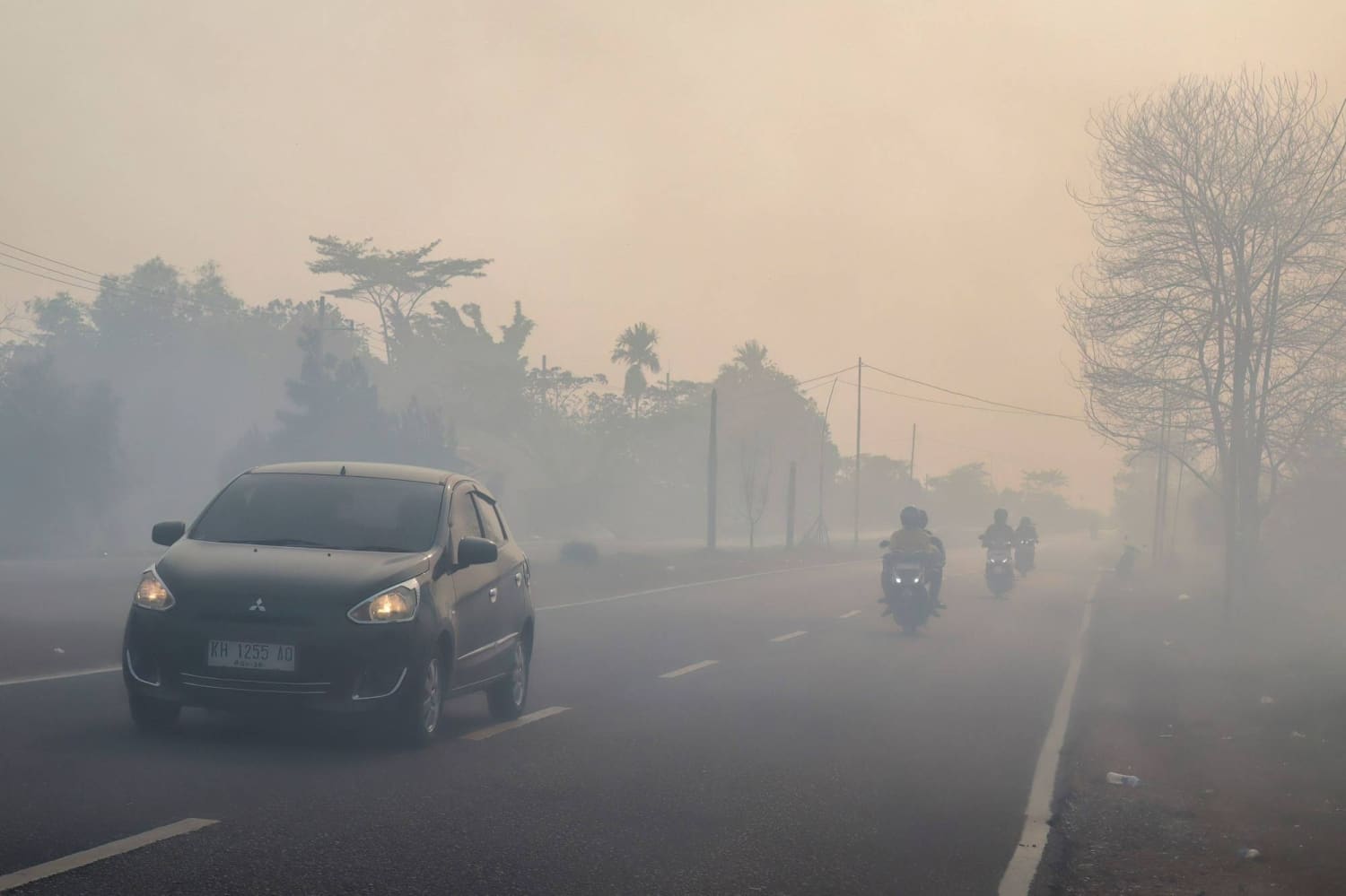
- ·Indonesian President Prabowo Widodo surveyed wildfire zones in Central Kalimantan as smoke pushed national air quality to the world's worst levels, with visibility in Palangka Raya so poor motorists required headlights during daylight hours on August 20.
- ·Peatland fires across Kalimantan have triggered a regional health emergency, with hospitals reporting increased respiratory admissions and schools suspending outdoor activities as hazardous particulate matter blankets major population centers.
- ·Containment efforts face challenges from below-ground peat combustion and delayed monsoon forecasts, with satellite monitoring tracking whether the season will match 2015 severity when fires burned 2.6 million hectares and exceeded daily U.S. carbon emissions.
Presidential Response to Escalating Crisis
Indonesian President Prabowo Widodo conducted a field survey of wildfire zones as smoke from burning forests pushed the nation's air quality to the worst levels globally. The inspection comes as fires concentrated in Central Kalimantan have blanketed major population centers in thick haze, forcing visibility so low that motorists in Palangka Raya drove with headlights on during daylight hours on August 20.
The scale of the current fires marks a critical test for Prabowo's administration, which has prioritized environmental management amid growing international scrutiny of Southeast Asia's recurring fire seasons. Central Kalimantan, home to vast peatlands that can burn for weeks once ignited, has emerged as the epicenter of the current outbreak.
Regional Health Emergency
Air quality readings across affected areas have reached hazardous thresholds, prompting health warnings for vulnerable populations. The dense smoke contains particulate matter that penetrates deep into lungs, posing acute risks for children, elderly residents, and those with respiratory conditions. Schools in several districts have suspended outdoor activities, while hospitals report increased admissions for breathing difficulties.
The fires follow a pattern familiar to the region but arrive with unusual intensity for late August. Indonesia's dry season typically runs from May through October, with fire risk peaking when slash-and-burn land clearing coincides with drought conditions. Peatland fires prove particularly difficult to extinguish because combustion occurs below ground level, requiring specialized water-bombing techniques and ground crews to reach smoldering root systems.
Economic and Diplomatic Pressure
Beyond immediate health impacts, the fires threaten Indonesia's agricultural output and regional diplomatic relations. Smoke regularly drifts across borders into Malaysia and Singapore, straining ties within ASEAN and drawing criticism from neighbors who bear the health costs of Indonesia's land management practices. Previous major fire episodes in 2015 and 2019 prompted emergency declarations and multilateral response efforts.
Palm oil and pulpwood producers face renewed scrutiny over land clearing methods, with international buyers increasingly demanding fire-free supply chains. The Indonesian government has deployed thousands of personnel to combat active blazes, including military units and disaster response teams, but containment efforts struggle against the scale of burning across Kalimantan's remote interior.
Monitoring the Burn
Satellite data tracking fire hotspots will determine whether current suppression efforts can prevent the season from matching 2015's severity, when fires burned an estimated 2.6 million hectares and produced carbon emissions exceeding the daily output of the entire United States economy. Weather forecasts showing delayed rainfall could extend the crisis into September, when monsoon patterns typically bring relief.
The government's response will shape both domestic confidence in Prabowo's leadership and Indonesia's standing in regional climate commitments. Jakarta has pledged to reduce deforestation and peatland burning under its Paris Agreement targets, making effective fire management a visible metric of policy implementation. For now, residents across Kalimantan and neighboring provinces face weeks of hazardous air, with schools, businesses, and daily routines disrupted by smoke that turns midday skies dark enough to require headlights.
RELATED STORIES
Southeast Asian Factories Adopt Proximity Planning to Retain Workers and Investors
Lim Hui Ying · 3 min
Greater Jakarta's Air Quality Crisis Exposes Regional Coordination Gap
Siti Nuraini · 3 min
Indonesia Cuts EV Motorcycle Subsidy by More Than Half
Siti Nuraini · 3 min

Indonesia's Instant Noodle Consumption Falls for First Time in Five Years
Priyanka V. Rao · 3 min
Spot something wrong? Email editor@briefasia.com. We log every correction publicly.