Finance · Deals
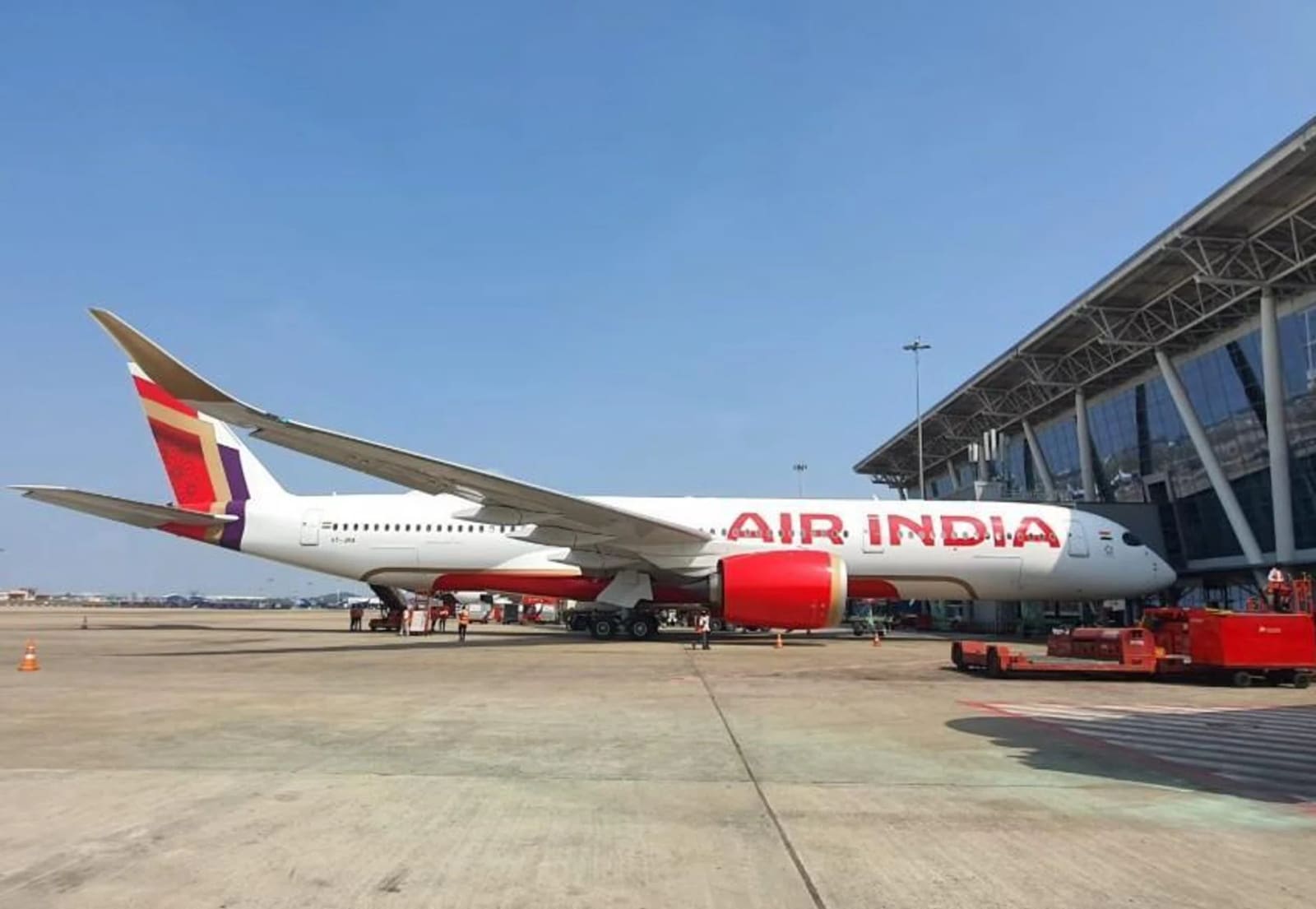
Singapore Airlines Confronts $375 Million Capital Call From Air India
The carrier's 25 percent stake in the Indian airline may require fresh funding as Tata-backed turnaround stretches into year three
KEY TAKEAWAYS
- ·Air India is seeking $1.5 billion in fresh equity from Tata and Singapore Airlines, with SIA's 25 percent stake implying a capital call of roughly $375 million.
- ·The request reflects Air India's ongoing cash burn as it funds fleet orders, cabin refits, and operational restructuring, with profitability still several quarters away.
- ·Singapore Airlines faces a difficult choice: deploy more capital into a loss-making asset that drags on consolidated earnings, or risk dilution and partnership strain by declining.
The Capital Request
Air India has approached its shareholders with a request for $1.5 billion in fresh equity to fund ongoing restructuring efforts, according to a report published August 25. Singapore Airlines holds a 25 percent stake in the Indian carrier through its partnership with Tata, which would translate to a capital call of approximately $375 million - close to S$500 million at current exchange rates.
No final decision has been reached, and any injection would likely occur in stages rather than as a single payment. The request underscores the scale of capital needed to complete the turnaround that began when Tata reacquired Air India from the Indian government in early 2022.
Prolonged Burn Rate
Air India has been consuming cash at a steady clip since privatization. The airline has ordered more than 470 aircraft from Airbus and Boeing in deals worth tens of billions of dollars, embarked on cabin refits across its legacy fleet, and invested heavily in IT systems, training infrastructure, and brand repositioning. Operational losses have persisted even as domestic Indian traffic has surged, with yields pressured by intense competition from IndiGo and other low-cost carriers.
Singapore Airlines entered the partnership in 2022 as part of a broader strategic bet on the Indian aviation market. The carrier already operates Vistara, a joint venture with Tata that serves the premium segment, and the Air India stake was intended to give SIA exposure to the full-service international segment. Vistara is slated to merge into Air India, consolidating Tata's airline assets under one brand.
The Accounting Drag
For Singapore Airlines, any additional equity injection carries a particular sting. Because SIA does not control Air India, the investment is accounted for using the equity method: SIA books its share of Air India's net profit or loss directly into its own income statement. With Air India still firmly in the red, that means SIA's consolidated earnings take a hit each quarter proportional to its stake.
The capital call would deepen SIA's exposure at a time when its own balance sheet is under scrutiny. The carrier reported strong passenger revenue in its most recent fiscal year, benefiting from pent-up travel demand across Asia-Pacific, but fuel costs and wage pressures have tightened margins. Committing another $375 million to an asset that continues to lose money raises questions about return on capital and strategic priorities.
Limited Exit Options
Walking away is not straightforward. SIA's stake is tied to a shareholders' agreement with Tata, and any exit would require negotiation. The market for distressed airline equity is thin, and finding a buyer willing to step into a loss-making, capital-intensive turnaround would be difficult. Tata itself may lack the appetite - or the balance sheet - to buy SIA out at a price the Singaporean carrier would find acceptable.
Refusing the capital call is another option, but it would likely trigger dilution and strain the partnership. Tata could proceed with the fundraising alone or bring in new investors, reducing SIA's stake and influence. That outcome would crystallize a loss without providing a clean exit.
What Comes Next
Air India's management has set a target of returning to profitability by 2025 or 2026, though that timeline has already slipped. The airline is betting that once fleet renewal is complete and the Vistara merger is digested, economies of scale and network synergies will begin to show. International routes, particularly to North America and Europe, are seen as the primary profit engine.
For Singapore Airlines, the decision will hinge on whether it believes that thesis - and whether it is willing to deploy capital that could otherwise be used for its own fleet, product upgrades, or shareholder returns. The Indian market remains one of the fastest-growing in global aviation, but capturing that growth through Air India has so far proven more expensive than anticipated.
The capital call is expected to be discussed at board level in the coming weeks. SIA has not commented publicly on the request.
RELATED STORIES
DBS Posts Record Quarterly Profit of S$3.08 Billion, Lifts Full-Year Outlook
Priyanka V. Rao · 2 min
Singapore Court Awards UOB S$76 Million in Marina Collection Fraud Case
Priyanka V. Rao · 3 min

Shein Targets $27 Billion Valuation in Hong Kong Listing
Cheng Wei-Lun · 3 min
Singapore Turns to Talent Anchoring to Win Asia's Hedge Fund Race
Priyanka V. Rao · 4 min
Spot something wrong? Email editor@briefasia.com. We log every correction publicly.