Finance · Markets
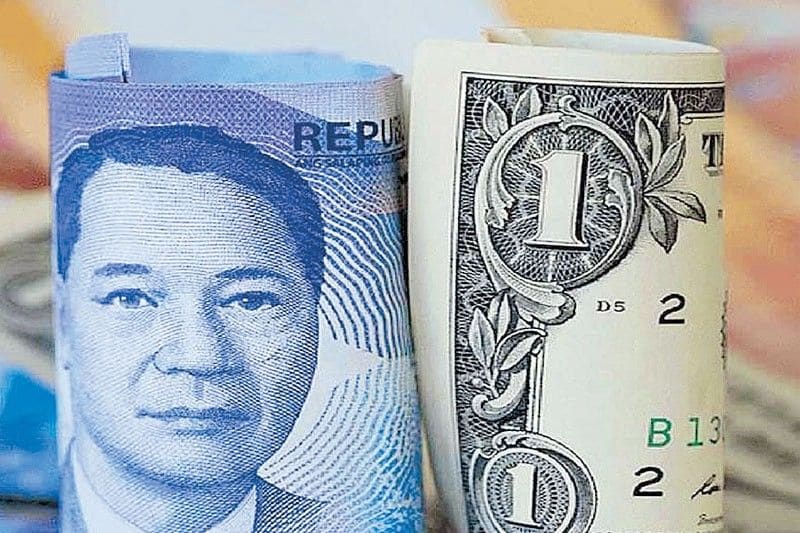
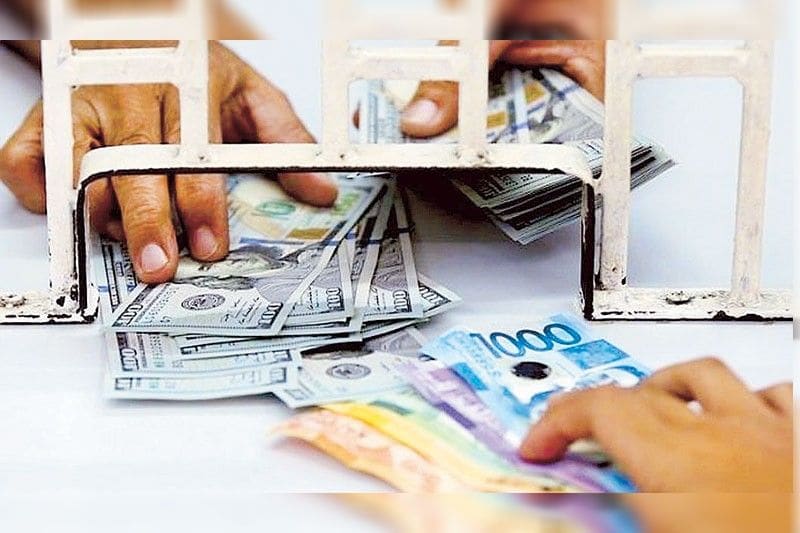
Philippine Currency Hits All-Time Low Against the Dollar
The peso crossed 62 per dollar for the first time as central bank policy signals and global pressures converge on Southeast Asia's most vulnerable currency this year
KEY TAKEAWAYS
- ·The Philippine peso fell past 62 per dollar for the first time, setting an all-time low amid central bank policy uncertainty and external pressures.
- ·The Bangko Sentral ng Pilipinas signaled a pause in rate cuts as inflation risks resurface, dampening appetite for peso assets and triggering net outflows.
- ·Structural vulnerabilities including a current account deficit and heavy energy imports leave the Philippines more exposed than regional peers like Thailand and Malaysia.
Historic Threshold Breached
The Philippine peso crossed the 62-per-dollar mark this week, setting a new all-time low and extending a losing streak that has made it one of Asia's worst-performing currencies in 2026. The currency weakened beyond a threshold that traders and policymakers had watched nervously for months, driven by a confluence of domestic monetary policy uncertainty and external headwinds that show little sign of abating.
According to the Bangko Sentral ng Pilipinas, the peso closed at its weakest level on record, breaching the psychologically important 62 barrier during afternoon trading. The decline marks the latest chapter in a year-long depreciation that has seen the currency shed more than 8 percent of its value since January, outpacing losses in most regional peers and raising concerns about imported inflation in an economy heavily reliant on energy and food imports.
Currency dealers in Manila pointed to a combination of factors: recent comments from BSP officials suggesting a pause in the easing cycle, persistent strength in the US dollar driven by sticky inflation data stateside, and a renewed climb in global oil prices that has widened the Philippines' current account deficit. The peso's slide has accelerated since mid-August, when crude benchmarks surged past 85 dollars per barrel and the Federal Reserve signaled it would hold rates higher for longer than markets had priced in.
Policy Crosswinds
The central bank's recent communications have left traders uncertain about the near-term trajectory of Philippine monetary policy. After cutting its benchmark rate by a cumulative 75 basis points earlier this year, BSP Governor Eli Remolona hinted in late August that further easing may be delayed as inflation risks resurface. Core consumer prices have remained above the central bank's 2 to 4 percent target band for three consecutive months, driven largely by transport and food costs tied to the weaker peso and higher fuel prices.
That hawkish tilt contrasts with earlier market expectations of another 25-basis-point cut in the fourth quarter. The shift has dampened appetite for peso-denominated assets, particularly as real yields on Philippine government securities have compressed relative to US Treasuries. Foreign portfolio flows into local bonds have turned negative in August, with net outflows exceeding 18 billion pesos, according to central bank data.
At the same time, the BSP has been reluctant to intervene aggressively in the foreign exchange market, preferring to let the currency adjust gradually rather than burn through reserves. The Philippines held 101 billion dollars in gross international reserves at the end of July, equivalent to roughly 7.2 months of imports, a comfortable buffer by regional standards but one that policymakers are keen to preserve amid global uncertainty.
Regional Divergence
The peso's weakness stands in contrast to the relative resilience of other Southeast Asian currencies. The Thai baht and Malaysian ringgit have both appreciated modestly against the dollar over the past month, buoyed by stronger export data and more stable commodity balances. Even the Indonesian rupiah, traditionally volatile, has held within a narrow range as Bank Indonesia deployed targeted interventions and maintained a hawkish stance.
The divergence reflects structural vulnerabilities in the Philippine economy that have been amplified by the current macro environment. The country runs a persistent current account deficit, importing more than 60 percent of its energy needs and a significant share of its rice and wheat. A weaker peso directly translates into higher costs for these essentials, feeding into inflation and eroding household purchasing power.
Remittances from overseas Filipino workers, which have historically provided a natural hedge by supplying dollar inflows, have grown more slowly this year. Flows from the Middle East and Hong Kong, two major sources, have been flat as labor demand softens and competition from other Asian workers intensifies. That leaves the Philippines more exposed to swings in portfolio capital, which tends to be fickle and sensitive to global risk sentiment.
Implications for Growth and Inflation
The currency's decline poses a dilemma for policymakers trying to balance growth and price stability. A weaker peso makes exports marginally more competitive, but the Philippines' export base is narrow and concentrated in electronics and business process outsourcing, sectors less sensitive to exchange rate movements. The inflationary impact, by contrast, is immediate and broad-based, hitting households that are still recovering from the pandemic-era income shock.
Analysts expect the BSP to hold rates steady at its next meeting in September, prioritizing inflation control over growth support. That stance may provide some support to the peso by widening the interest rate differential with regional peers, but it also risks slowing an economy that has posted tepid GDP growth in recent quarters. Second-quarter expansion came in at 5.8 percent year-on-year, below the government's full-year target and trailing the pace in Vietnam, Indonesia, and Thailand.
Corporate borrowers with dollar-denominated debt face rising servicing costs, and import-dependent manufacturers are grappling with margin compression. The retail and construction sectors, both sensitive to consumer sentiment, have reported weaker sales and order books as inflation expectations tick higher.
Market Outlook
Currency strategists see little near-term relief for the peso. Most project the currency will trade in a 62 to 63 range through year-end, with downside risks if oil prices climb further or if the Federal Reserve delays its easing cycle into 2027. A break above 63 would likely prompt more active BSP intervention, but officials have given no indication they view current levels as disorderly.
The broader lesson for Asia is that monetary policy divergence with the United States continues to extract a price, particularly for economies with structural current account deficits and limited export diversification. The Philippines, despite its young workforce and improving infrastructure, remains vulnerable to external shocks in ways that its faster-growing neighbors have managed to mitigate. How the BSP navigates the next six months will be a test case for central banks across the region facing similar trade-offs between currency stability and domestic growth.
RELATED STORIES
Philippine Stock Index Falls Below 6,000 as Rate Increase and Currency Pressure Mount
Priyanka V. Rao · 3 min
Philippines Central Bank Raises Rate to 5% Despite Economic Slowdown
Priyanka V. Rao · 3 min
Philippine Stocks Face Choppy Week Ahead of Central Bank Decision
Priyanka V. Rao · 3 min
Philippine Peso Slips Toward Record Low as Oil Prices and Geopolitical Risk Lift Dollar Demand
Priyanka V. Rao · 3 min
Spot something wrong? Email editor@briefasia.com. We log every correction publicly.