Finance · Markets
Philippine Peso Slips Toward Record Low as Oil Prices and Geopolitical Risk Lift Dollar Demand
The currency touched 61.995 per dollar intraday, with traders watching for possible central bank intervention and next week's policy decision.
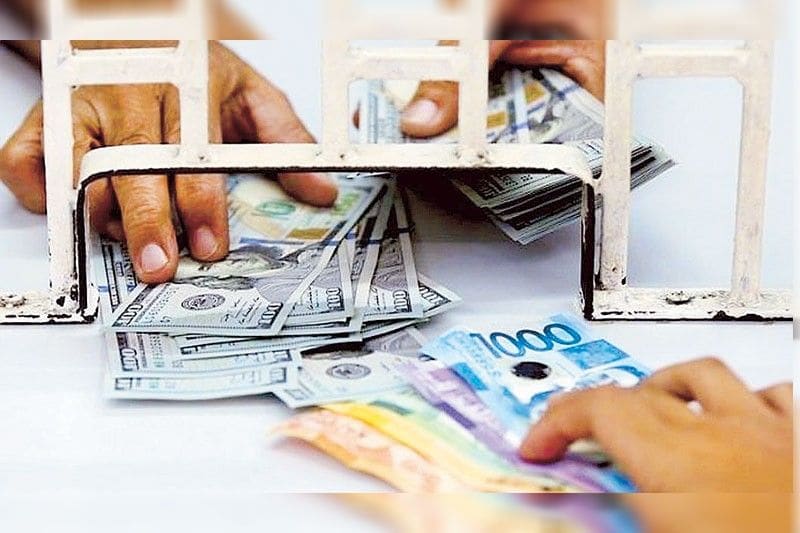
KEY TAKEAWAYS
- ·The Philippine peso weakened to 61.815 per dollar and touched an intraday record low of 61.995, driven by geopolitical tensions and rising oil prices.
- ·Trading volume surged 41 percent to $1.89 billion as investors repositioned ahead of US Fed minutes and the BSP's August 27 policy decision.
- ·Market participants expect potential central bank intervention if the peso breaches 62 per dollar, though near-term direction hinges on external factors including Middle East stability and crude prices.
Currency Under Pressure
The Philippine peso weakened to within striking distance of the 62-per-dollar mark on Wednesday, driven by a combination of renewed geopolitical uncertainty in the Middle East and climbing energy prices that amplified demand for the US dollar as a safe-haven asset.
Data from the Bankers Association of the Philippines showed the local currency closed at 61.815 per dollar, down three centavos from the prior session's 61.785 finish. Intraday volatility was pronounced, with the peso touching 61.995 at its weakest point before recovering modestly by the close. That intraday low marked the currency's most fragile level on record, though the session's final print remained marginally firmer than the record closing low of 61.847 set on July 24.
Trading volume surged 41.3 percent to $1.89 billion from $1.34 billion the day before, signaling heightened market activity as participants repositioned ahead of key events.
Geopolitical and Energy Catalysts
Currency dealers attributed the peso's drift toward 62 to a confluence of external shocks. A temporary agreement between the United States and Iran has expired, reigniting concerns over stability in the Middle East and reviving the flight-to-quality dynamic that typically benefits the dollar. Rising crude oil prices compounded the pressure, particularly for the Philippines, which relies heavily on imported energy and sees its current account and inflation outlook swing with global oil markets.
Jonathan Ravelas, senior adviser at Reyes Tacandong & Co., said investors were positioning ahead of the release of minutes from the US Federal Reserve's latest policy meeting, seeking clarity on the trajectory of American interest rates. He expects the peso to trade in a range of 61.60 to 62 per dollar in the near term, with the dollar's safe-haven appeal likely to persist as long as geopolitical uncertainty lingers.
Ruben Carlo Asuncion, chief economist at UnionBank, noted that the peso's recent weakness is overwhelmingly externally driven. The Philippines' dependence on imported oil makes the currency especially vulnerable to swings in global energy markets, and the current spike in crude prices is feeding through to exchange rate pressure. He warned that if external headwinds persist, the peso could remain under strain near current levels.
Central Bank Watch
Market participants are now speculating on whether the Bangko Sentral ng Pilipinas will intervene should the peso breach the 62 threshold. One trader said the central bank could step in at that level, though no immediate breach is expected given the uncertainty surrounding the BSP's upcoming monetary policy decision on August 27. The central bank has historically used foreign exchange operations to smooth excessive volatility, but its tolerance for peso weakness has risen as policymakers balance external competitiveness with inflation management.
The timing of any potential intervention is complicated by the Fed minutes due for release and the BSP's own policy meeting next week. Traders are weighing whether the central bank will prioritize exchange rate stability or preserve its firepower for a more prolonged period of dollar strength.
Asia's Currency Landscape
The peso's struggle is part of a broader pattern across emerging Asia, where currencies have come under pressure as the dollar reasserts itself on the back of sticky US inflation, resilient growth, and safe-haven demand. Regional central banks from Jakarta to Bangkok have faced similar dilemmas, balancing the need to defend their currencies against the risk of depleting reserves or tightening monetary conditions prematurely.
For the Philippines, the added burden of energy import dependence means that oil price shocks translate quickly into twin pressures on the current account and the exchange rate. With Brent crude climbing in recent sessions, the peso's near-term outlook hinges on whether geopolitical tensions ease and whether the Fed signals a more dovish stance in its forthcoming communications.
What Comes Next
Market focus now shifts to two events: the release of the Fed minutes and the BSP's August 27 policy meeting. The former will offer insight into the US central bank's thinking on rates, while the latter will clarify whether Philippine policymakers see the need to adjust their own stance in response to currency and inflation dynamics.
If the Fed minutes reveal a hawkish tilt or if oil prices continue to climb, the peso could test the 62 level in earnest. Conversely, any sign of de-escalation in the Middle East or a dovish signal from the Fed could provide relief and allow the currency to stabilize within its recent range.
For now, the peso remains caught between external forces largely beyond domestic policymakers' control, with energy prices and geopolitical risk the primary variables shaping its trajectory.
RELATED STORIES
Philippine Stocks Fall 1.7 Percent as Currency Hits Record Low
Priyanka V. Rao · 4 min

US and Japan Stage First Joint Yen Intervention in 28 Years
Cheng Wei-Lun · 3 min

Apple Pay Gains Ground in Philippine Market Despite Limited Bank Coverage
Priyanka V. Rao · 3 min
Philippine Consumers Embrace Borrowing as Living Costs Climb
Priyanka V. Rao · 3 min
Spot something wrong? Email editor@briefasia.com. We log every correction publicly.