Finance · Fintech
Apple Pay Gains Ground in Philippine Market Despite Limited Bank Coverage
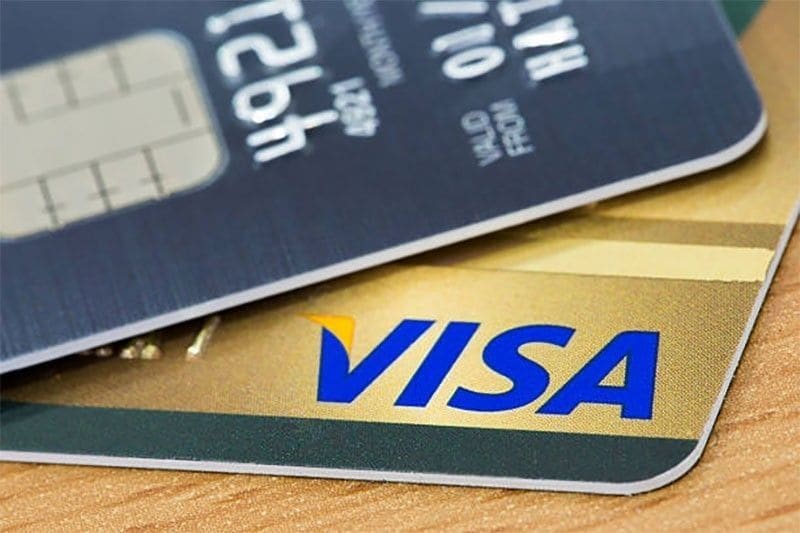
Visa reports solid early momentum for the mobile wallet service, but cautions that broader reach hinges on more financial institutions coming online and sustained consumer engagement.
KEY TAKEAWAYS
- ·Apple Pay launched in the Philippines on August 4 with four banks, generating strong early transaction volumes according to Visa.
- ·The initial issuer roster is smaller than the seven banks that supported Google Pay's Philippine debut in November 2025.
- ·Visa expects meaningful adoption within twelve months if more large banks activate the service and promotional campaigns drive repeat usage.
Strong Start, Long Road Ahead
Apple Pay's entry into the Philippine market has generated encouraging early interest, according to Visa, though the payments network expects the real test to come as more banks activate the service and merchants design campaigns to convert first-time users into regular customers.
Jeffrey Navarro, country manager for Visa in the Philippines, told reporters that transaction volumes in the first weeks have exceeded internal expectations. "We're betting on it," he said, pointing to heightened consumer curiosity across digital channels.
The contactless wallet went live on August 4 with four financial institutions: China Banking Corp., GoTyme Bank, Metropolitan Bank and Trust Co., and Union Bank of the Philippines. That lineup is narrower than the seven-issuer group Visa assembled when Google Pay entered the market in November 2025, a gap that has sparked questions about readiness among Philippine lenders.
Different Timelines, Different Standards
Navarro dismissed the notion that banks are dragging their feet, noting that each mobile wallet platform imposes distinct technical requirements and that institutions follow independent product roadmaps. Michelle Mascariñas, Visa's head of products in the Philippines, emphasized that certification cycles vary by issuer appetite and internal priorities rather than by any single bottleneck.
"They have their own processes and project pipelines," she said. "Timing depends on how each bank assesses readiness and what else is in their queue."
Apple Pay enables cardholders to tap their iPhone or Apple Watch at any terminal that accepts contactless transactions, as well as to complete purchases inside apps and on websites. The service replaces card numbers with device-specific tokens and unique transaction codes, requiring biometric or passcode authentication for each payment.
Scale Hinges on Ecosystem Expansion
Navarro cautioned that it is premature to project adoption curves when several large banks remain absent from the platform. He said Visa typically sees mobile wallets reach meaningful share of transaction volume roughly twelve months after launch, provided the issuer base expands and participating banks roll out incentive programs to build frequency.
"Give it after a year. There are still big banks who have yet to activate," he said. "It's going to be successful once most of the banks are on the platform."
The payments network is counting on a wider roster of issuers to accelerate usage, particularly as consumers weigh the convenience of tokenized payments against the inertia of established card-swiping habits. Visa's experience in other markets suggests that promotional campaigns and co-marketing efforts between issuers and merchants play an outsized role in converting trial into routine behavior.
Regional Context and Competitive Pressure
The Philippines represents a key battleground for mobile wallet providers in Southeast Asia, where smartphone penetration is rising rapidly but traditional card infrastructure remains uneven. Google Pay's entry eight months earlier with a broader bank coalition underscored the competitive intensity, and industry watchers expect other players to move quickly to secure issuer partnerships and merchant acceptance.
For Visa, the stakes extend beyond a single product launch. The network has been working to position itself as the rails for digital payments across the region, betting that tokenized wallets will eventually account for a significant share of card-not-present and point-of-sale volume. Success in the Philippine market would reinforce that strategy and offer a template for other emerging economies in Asia.
Navarro indicated that Visa will continue to support onboarding efforts for additional issuers while working with existing partners to design campaigns that reward frequent use. The company expects clearer signals on adoption patterns once promotional activity ramps up and a critical mass of banks join the ecosystem.
With consumer awareness high but the issuer base still narrow, the coming months will test whether Apple Pay can translate curiosity into sustained transaction growth in one of Asia's most dynamic digital economies.
RELATED STORIES
Philippine Banks Queue for Apple Pay Access as Early Adoption Surges
Priyanka V. Rao · 3 min

GCash Chief Calls for Digital Tools That Help MSMEs Run Better Businesses
Mariel D. Santos · 3 min
Philippine Consumers Embrace Borrowing as Living Costs Climb
Priyanka V. Rao · 3 min

BPI Offers Customers Free Anti-Scam App Access for One Year
Priyanka V. Rao · 2 min
Spot something wrong? Email editor@briefasia.com. We log every correction publicly.