Finance · Markets
Philippine Stock Index Falls Below 6,000 as Rate Increase and Currency Pressure Mount
The PSEi dropped to 5,956 points in its fourth straight session of losses, while the peso hit a record low of 62.265 against the dollar.
KEY TAKEAWAYS
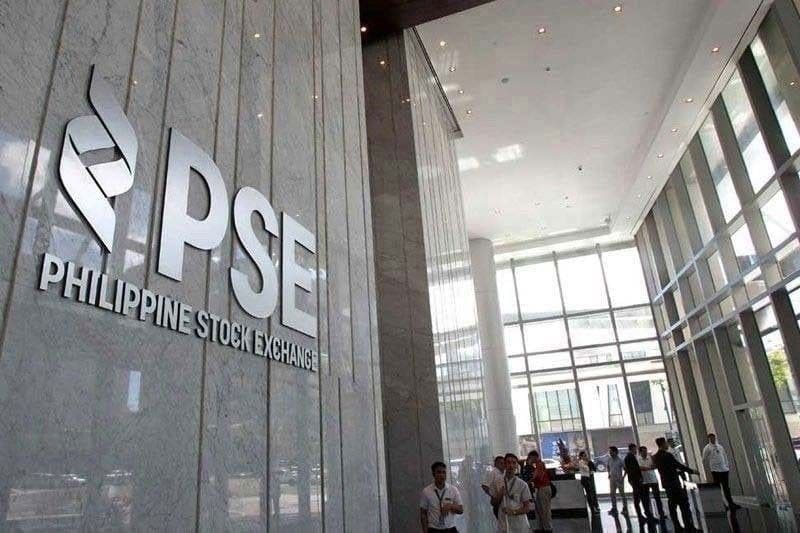
- ·The Philippine Stock Exchange index fell 0.8 percent to 5,956.33 points, dropping below 6,000 for the first time in four sessions amid heavy selling.
- ·The Bangko Sentral ng Pilipinas raised its policy rate by 25 basis points while the peso weakened to a record 62.265 per dollar.
- ·MSCI index rebalancing drove P18.81 billion in turnover, with financials dropping 1.78 percent and mining stocks gaining 1.91 percent.
Benchmark Slides Amid Heavy Selling
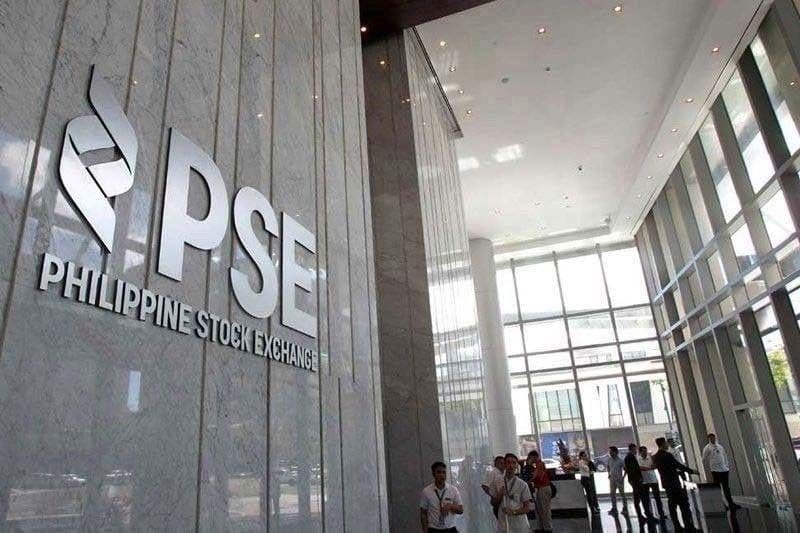
The Philippine Stock Exchange index closed below the psychologically significant 6,000 level on Thursday, sliding 0.8 percent to 5,956.33 points. The decline marked the fourth consecutive session of losses for the benchmark gauge, driven by sustained selling pressure following the Bangko Sentral ng Pilipinas's decision to tighten monetary policy and ongoing currency depreciation.
The broader All Shares index fell 0.61 percent to settle at 3,318.99 points. Trading volume reached P18.81 billion, reflecting robust activity as investors repositioned portfolios during the MSCI Philippine Index rebalancing. Market breadth remained firmly negative, with 120 stocks declining against 88 gainers and 49 unchanged.
Rate Hike Weighs on Sentiment
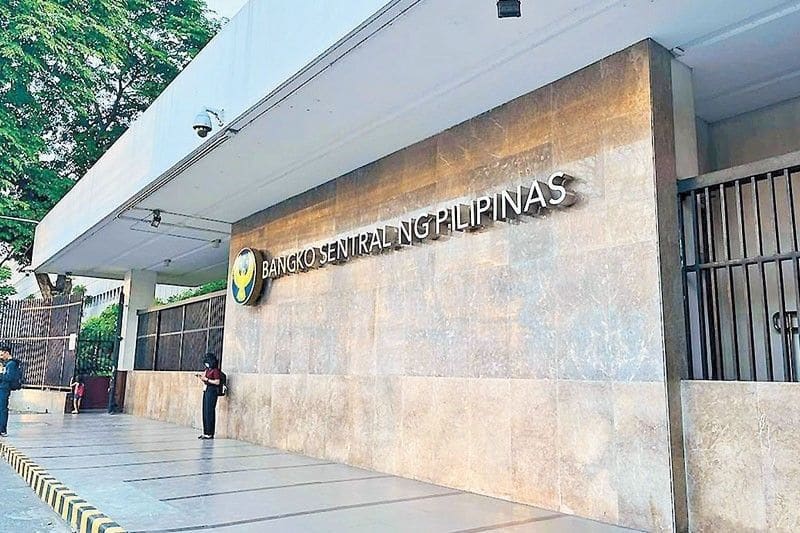
Investor caution intensified after the central bank's Monetary Board raised its policy rate by 25 basis points earlier in the week. The move, aimed at supporting the peso and containing inflation pressures, has added to concerns about borrowing costs and corporate earnings in an environment where economic growth remains fragile.
According to Regina Capital, the rate increase kept market participants on edge, particularly as the adjustment came amid broader emerging-market volatility. The tightening cycle has now pushed borrowing costs higher at a time when consumer demand and business investment face headwinds.
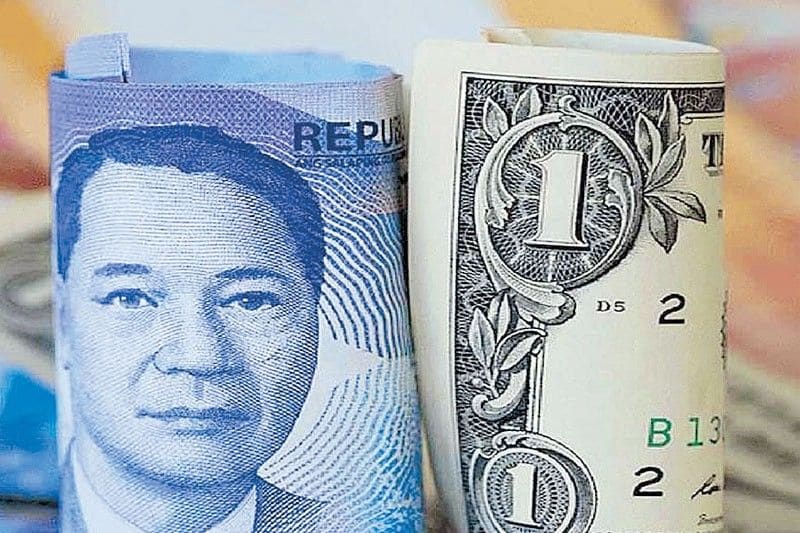
The Philippine currency simultaneously reached a fresh record low, weakening 37.7 centavos to close at 62.265 per dollar. The peso's slide from the previous session's all-time low of 61.888 underscores persistent dollar demand and capital-flow pressures that have tested the central bank's intervention capacity.
Sector Performance Mixed
Sectoral performance diverged sharply. Mining and oil stocks posted the session's strongest gain, rising 1.91 percent as commodity prices provided support. Financials bore the brunt of the selloff, dropping 1.78 percent as investors reassessed bank margins and credit quality in the higher-rate environment.
Ayala Land topped the turnover list, edging up 0.26 percent to P15.54 per share. International Container Terminal Services advanced 0.45 percent to P885, while BDO Unibank fell 3.01 percent to P116, reflecting the strain on financial stocks.
Rebalancing Amplifies Pressure
The MSCI Philippine Index rebalancing contributed significantly to market volume, according to Regina Capital. Passive funds tracking the index adjusted holdings, triggering broad-based selling that amplified the day's losses. Such rebalancing events often exacerbate short-term price movements as institutional investors realign portfolios to match revised index weights.
The rebalancing coincided with a period of heightened uncertainty over monetary policy and currency stability, compounding the pressure on equities. Investors have grown increasingly sensitive to macroeconomic signals, particularly as inflation data and trade figures signal potential challenges ahead.
Outlook Remains Fragile
The PSEi's breach of the 6,000 threshold carries symbolic weight, even as technical analysts caution against reading too much into round-number levels. The index has struggled to find footing amid competing pressures: the need for higher rates to defend the currency versus the drag on corporate earnings and consumer spending.
Market participants will be watching closely for any indication that the central bank's tightening cycle is nearing completion, as well as for signs of stabilization in the peso. Until both factors align, Manila equities are likely to face continued volatility, with foreign portfolio flows remaining a key swing factor.
The confluence of monetary tightening, currency weakness, and index rebalancing has left the Philippine stock market navigating a particularly challenging stretch. Whether the selloff represents a temporary adjustment or the start of a deeper correction will depend largely on how quickly macroeconomic conditions stabilize and investor confidence returns.
RELATED STORIES
Philippine Currency Hits All-Time Low Against the Dollar
Priyanka V. Rao · 4 min
Philippine Stocks Face Choppy Week Ahead of Central Bank Decision
Priyanka V. Rao · 3 min
Philippines Central Bank Raises Rate to 5% Despite Economic Slowdown
Priyanka V. Rao · 3 min
Philippine Stocks Fall 1.7 Percent as Currency Hits Record Low
Priyanka V. Rao · 4 min
Spot something wrong? Email editor@briefasia.com. We log every correction publicly.