Finance · Deals
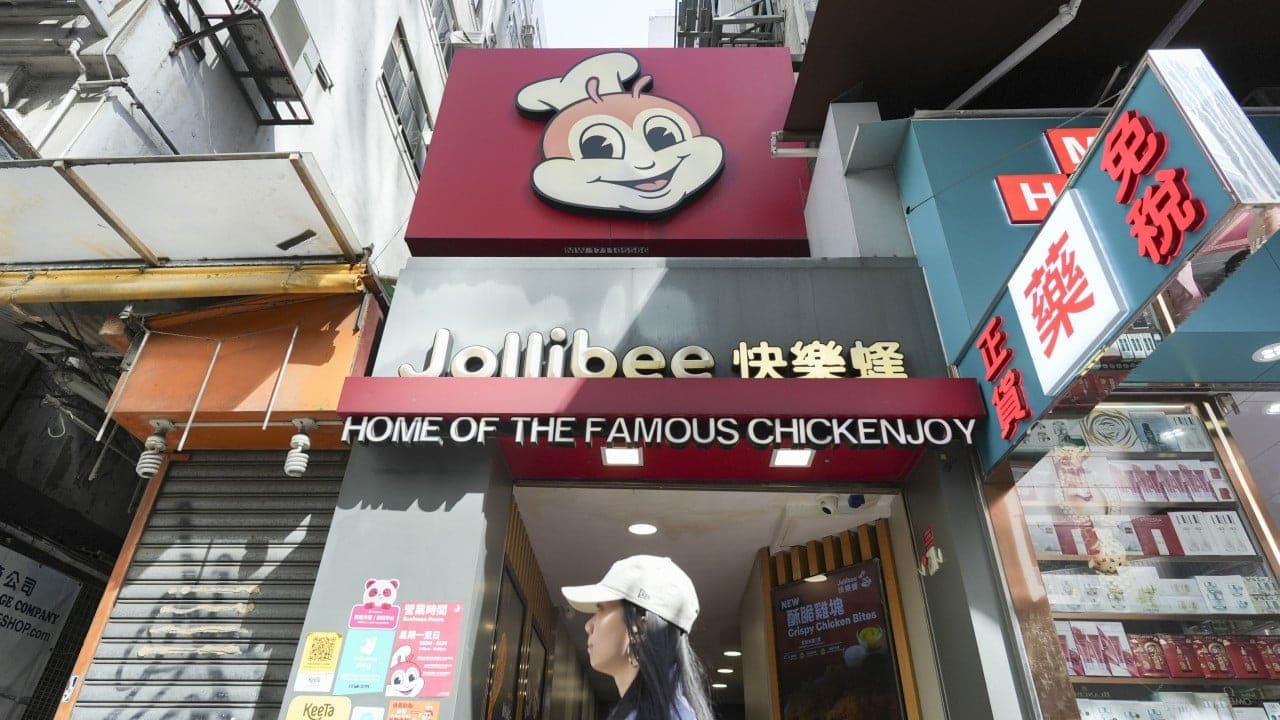
Jollibee Shifts IPO Plans to Hong Kong After US Listing Target
Philippine fast-food operator redirects international unit's debut to Asian financial hub, signaling confidence in regional capital markets
KEY TAKEAWAYS
- ·Jollibee Foods Corp will list its international arm JFCI in Hong Kong after previously targeting New York, citing market depth and regional alignment.
- ·The Philippine operator's overseas unit manages over 800 stores across 17 countries including Yonghe King in China and Smashburger in the US.
- ·The venue shift tests Hong Kong's ability to attract Southeast Asian growth companies as an alternative to US exchanges and domestic bourses.
A Strategic Reversal
Jollibee Foods Corp has decided to list its international operations arm in Hong Kong rather than New York, reversing course from plans announced earlier this year. The Philippine fast-food operator said in January it would pursue a US listing for Jollibee Foods Corporation International, but has now selected the Asian financial center as its preferred venue.
The shift represents a tangible endorsement of Hong Kong's efforts to attract diverse listings beyond mainland Chinese firms. JFCI, which consolidates the company's overseas expansion portfolio, will now make its public debut in a market that has worked to rebuild IPO momentum after several challenging years.
Market Depth and Regional Proximity
Jollibee Foods Corp cited Hong Kong's market depth as a factor in the decision. The city's exchange offers access to regional institutional capital and a trading ecosystem familiar with Asian consumer brands expanding across multiple geographies.
Hong Kong has positioned itself as a natural listing venue for Southeast Asian companies seeking international capital while maintaining proximity to their core markets. The Philippines, Vietnam, Indonesia, and Thailand have increasingly looked to the city as an alternative to domestic exchanges that may lack sufficient liquidity for large-scale offerings.
For Jollibee, the choice aligns with its operational footprint. The company operates more than 1,500 stores across 17 countries, with significant concentration in Asia and the Middle East. Its brands include the flagship Jollibee chain, Chinese fast-food concept Yonghe King, Vietnamese coffee chain Highlands Coffee, and stakes in US burger brand Smashburger.
Timing and Valuation Considerations
The timing of the listing has not been disclosed, but the venue change suggests Jollibee is prioritizing investor familiarity with regional consumer dynamics over access to deeper US capital pools. American exchanges have historically offered higher valuations for growth companies, but recent volatility and regulatory scrutiny of foreign issuers have complicated the calculus.
Hong Kong's IPO pipeline has shown signs of recovery in 2026 after two years of subdued activity. The exchange approved rule changes to attract technology and biotech companies, and has streamlined approval processes for secondary listings. Several Southeast Asian firms have explored dual-listing structures that combine a primary Hong Kong offering with secondary access in home markets.
JFCI's international portfolio includes more than 800 stores outside the Philippines, spanning markets with varied economic conditions and consumer preferences. The unit's performance will likely hinge on its ability to scale in China, where Yonghe King competes in a crowded fast-food landscape, and sustain growth in North America, where Smashburger faces established rivals.
Implications for Regional Capital Flows
The decision carries implications beyond a single transaction. If Jollibee's Hong Kong listing succeeds in generating strong investor demand and stable trading, it could encourage other Philippine conglomerates to follow suit. The country's largest companies have traditionally listed at home or pursued American depositary receipt programs in New York, leaving Hong Kong largely untapped.
Investor appetite will depend on JFCI's financial metrics, which have not been publicly detailed. Analysts will scrutinize revenue growth rates, unit economics across geographies, and the company's ability to integrate acquisitions into a cohesive operating model. Jollibee has pursued an aggressive expansion strategy, acquiring brands and opening stores at a pace that requires sustained capital investment.
Hong Kong's exchange will compete with Singapore, which has also courted Southeast Asian listings, and with revived interest in domestic bourses in Jakarta and Bangkok. The outcome of Jollibee's offering will serve as a test case for whether Hong Kong can reclaim its role as the primary gateway for regional growth companies seeking international capital.
RELATED STORIES
Philippines Central Bank Raises Rate to 5% Despite Economic Slowdown
Priyanka V. Rao · 3 min
JCR Holds Philippines at A- as Growth Slows to Mid-3% Range
Priyanka V. Rao · 3 min
Philippine Stock Index Falls Below 6,000 as Rate Increase and Currency Pressure Mount
Priyanka V. Rao · 3 min
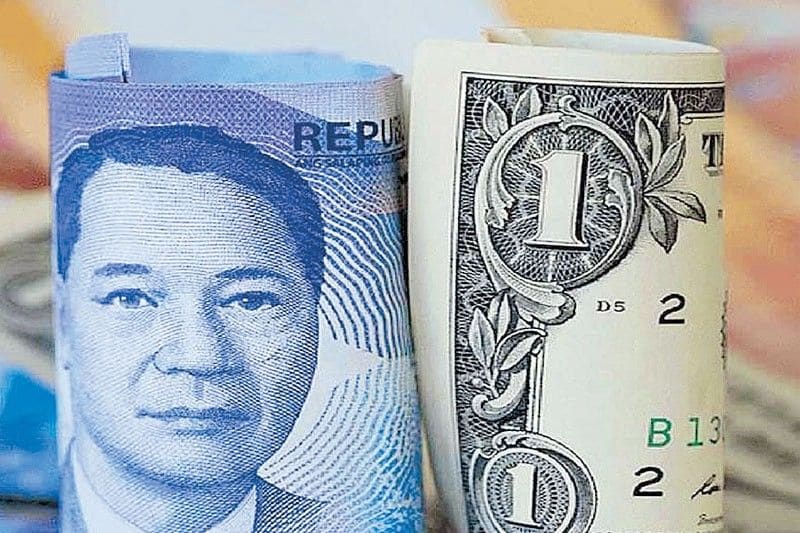
Philippine Currency Hits All-Time Low Against the Dollar
Priyanka V. Rao · 4 min
Spot something wrong? Email editor@briefasia.com. We log every correction publicly.