Asia · Business
Mitsubishi Motors Brings Back Pajero SUV With Thailand Launch
Japanese automaker targets Southeast Asian volume as it navigates Chinese competition and EV transition
KEY TAKEAWAYS
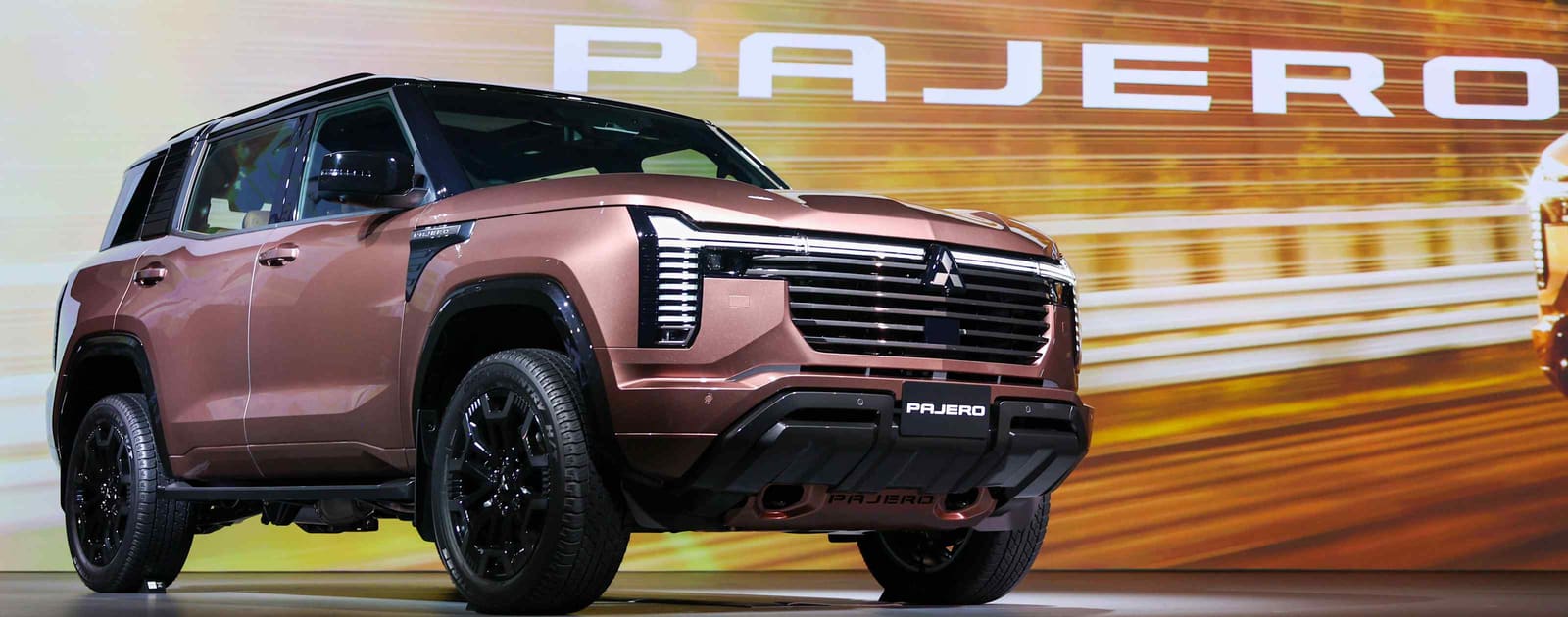
- ·Mitsubishi Motors unveiled its revived Pajero SUV on September 2, with Thailand as the first market for global rollout.
- ·The automaker positions the Pajero relaunch as key to maintaining sales volume in Southeast Asia amid competition from Chinese rivals.
- ·Mitsubishi faces dual challenges from rising Chinese brands offering competitive pricing and the global shift toward electric vehicles.
Flagship Returns After Years Away
Mitsubishi Motors pulled the wraps off its rebooted Pajero SUV on September 2, marking the return of a nameplate that once anchored the Japanese automaker's global lineup. The company announced Thailand as the first market for the revived model, a strategic choice that underscores Southeast Asia's importance to Mitsubishi's volume strategy.
The Pajero relaunch represents Mitsubishi's effort to reclaim ground in a region where it has historically held strong positions but now faces intensifying competition. Thailand, one of Southeast Asia's largest automotive markets, serves as both a manufacturing hub and a bellwether for consumer preferences across the region.
Southeast Asia as Volume Anchor
Mitsubishi Motors positioned the Pajero revival as central to maintaining sales volume in Southeast Asia, according to the company. The region has become increasingly critical for Japanese automakers as they contend with slowing demand in China and the rapid ascent of local manufacturers offering competitively priced SUVs and electric vehicles.
Thailand's automotive market has shown signs of recovery, with industry sales climbing in recent months. The country's established manufacturing infrastructure and consumer appetite for SUVs make it a logical entry point for the new Pajero. Mitsubishi operates production facilities in Thailand that have historically supplied both domestic and export markets across ASEAN.
The Pajero name carries significant brand equity in Southeast Asia, particularly among buyers who remember the model's reputation for durability and off-road capability. Reviving the nameplate gives Mitsubishi a tool to differentiate itself in a crowded SUV segment where Chinese brands have made substantial inroads on price and technology.
Headwinds From China and Electrification
The comeback arrives as Mitsubishi navigates two major challenges: the rise of Chinese automakers and the global transition toward electric vehicles. Chinese brands have expanded aggressively into Southeast Asian markets, offering SUVs and crossovers equipped with advanced digital features at prices that undercut established Japanese and European rivals.
At the same time, regulatory pressure and consumer interest in electrification are reshaping product portfolios across the industry. While Mitsubishi has announced EV investments, the company's electric lineup remains limited compared to rivals. The new Pajero will need to balance traditional SUV strengths with features that appeal to buyers increasingly aware of emissions and fuel efficiency.
Mitsubishi has not disclosed powertrain details for the revived Pajero, but the vehicle's success will hinge on how well it addresses both cost-conscious buyers and those seeking modern connectivity and safety technology. The automaker's ability to price competitively while maintaining margins will be critical in a market where Chinese competitors have reset consumer expectations.
Global Rollout and Strategic Stakes
Mitsubishi Motors announced a global rollout for the Pajero following the Thailand launch, though the company did not specify additional markets or timelines. The phased approach suggests Mitsubishi intends to test demand and refine the product before expanding to other regions.
For Mitsubishi, the stakes extend beyond the Pajero itself. The model's performance in Thailand and subsequent markets will signal whether the automaker can stabilize sales volumes and defend market share against competitors that have gained momentum in recent years. Southeast Asia represents one of the few regions where Mitsubishi retains meaningful scale, making execution in these markets essential to the company's broader turnaround efforts.
The Pajero revival also reflects a broader industry trend of legacy automakers leaning on established nameplates to maintain customer loyalty while transitioning product portfolios toward electrification. Whether that strategy can succeed in a market increasingly defined by new entrants and shifting buyer priorities remains an open question.
RELATED STORIES
Mitsubishi Motors Shifts Strategy to US and Australia Markets
Aiko Nakamura · 3 min
Thailand Urged to Tie EV Investment to Local Supply Chain Development
Priyanka V. Rao · 3 min
WeRide Eyes Regional Push Across Australia and Asia-Pacific Markets
Cheng Wei-Lun · 2 min

Thai Retailers Push Government for Urgent Relief as Consumer Spending Stalls
Priyanka V. Rao · 4 min
Spot something wrong? Email editor@briefasia.com. We log every correction publicly.