Asia · Business
Mitsubishi Motors Shifts Strategy to US and Australia Markets
Japanese automaker pivots away from Southeast Asia stronghold as Chinese EV makers gain ground in the region
KEY TAKEAWAYS
- ·Mitsubishi Motors is pivoting toward the US and Australia markets after losing ground to Chinese EV makers in Southeast Asia, its traditional stronghold.
- ·The company will source vehicles from partners including Nissan to serve North American demand without building local manufacturing facilities.
- ·Australia emerges as a key growth market where Mitsubishi retains stronger brand positioning and faces less intense competition from Chinese automakers.
Strategic Realignment Under Pressure
Mitsubishi Motors is redirecting its strategic focus toward the United States and Australia, marking a significant departure from its traditional reliance on Southeast Asian markets. The Japanese automaker faces mounting pressure in the region as Chinese electric vehicle manufacturers rapidly expand their presence, forcing a geographic pivot that will reshape the company's global footprint.
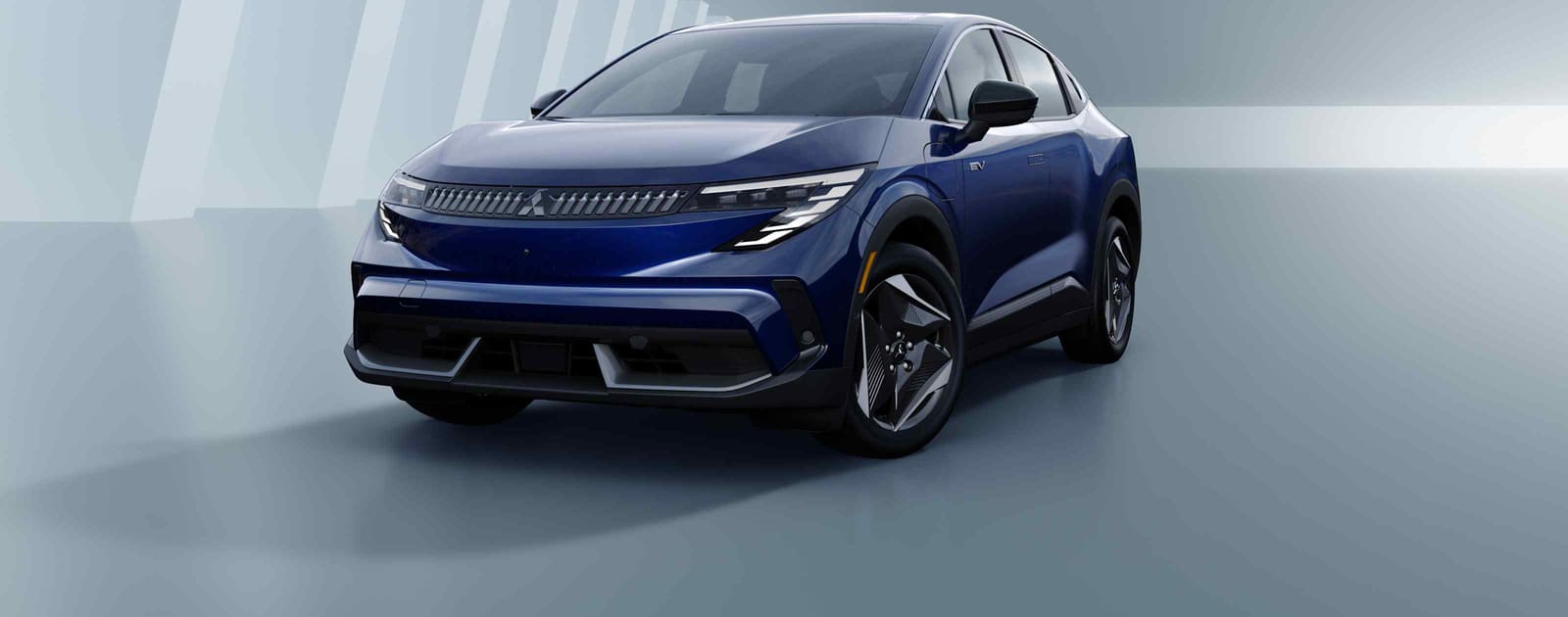
The shift represents a pragmatic response to market realities. Without manufacturing facilities in North America, Mitsubishi Motors plans to source vehicles from partner companies to serve US demand. The company unveiled plans for a new Eclipse Sportback electric vehicle that will be built on the Nissan Leaf platform, leveraging its alliance relationships to compensate for infrastructure gaps.
Losing Ground in a Former Stronghold
Southeast Asia has long served as Mitsubishi's most reliable market, where the brand built a loyal customer base over decades. That foundation is now eroding as Chinese automakers flood the region with competitively priced electric vehicles that appeal to cost-conscious buyers and governments pushing electrification mandates.
The competitive landscape has transformed dramatically. Chinese manufacturers bring advantages that legacy automakers struggle to match: lower production costs, aggressive pricing strategies, and product lineups tailored specifically for emerging markets. For Mitsubishi, which has historically positioned itself as a value brand in Southeast Asia, this represents a direct challenge to its core market position.
Partnership Strategy for North America
The company's approach to the US market hinges on collaboration rather than capital-intensive plant construction. By procuring vehicles from partners, Mitsubishi can test North American demand without the multi-billion-dollar investment required to build manufacturing capacity from scratch.
This strategy carries both benefits and risks. On one hand, it allows rapid market entry with lower fixed costs. On the other, it leaves Mitsubishi dependent on partner production schedules and capacity, potentially limiting its ability to respond quickly to demand fluctuations or customize products for local preferences.
The Eclipse Sportback project with Nissan illustrates this approach in practice. The vehicle will share core technology and manufacturing infrastructure with an established platform, reducing development costs while giving Mitsubishi a credible electric offering for markets where EV adoption is accelerating.
Australia as a Growth Anchor
Australia represents another key pillar in Mitsubishi's revised strategy. The market has historically favored Japanese brands, and Mitsubishi maintains stronger brand recognition there than in many other developed markets. The company previously announced plans for an electric vehicle in Australia and New Zealand that would be manufactured by a Foxconn subsidiary, further demonstrating its willingness to work with non-traditional automotive partners.
The Australian market offers several advantages. It has less entrenched competition from Chinese EV makers than Southeast Asia, consumers show willingness to pay premium prices for vehicles with perceived quality advantages, and the regulatory environment remains relatively favorable for established automakers navigating the electric transition.
The Broader Industry Context
Mitsubishi's strategic shift reflects broader pressures reshaping Asia's automotive industry. Chinese manufacturers have moved beyond their home market to become formidable export competitors, particularly in electric and hybrid segments. Traditional automakers across Japan and South Korea are reassessing their regional strategies in response.
The company had previously committed $470 million to Thailand for electrified vehicle production and announced plans to expand its Pajero SUV revival with a midsize model, investments that now appear less central to its future direction. These earlier commitments highlight how quickly the competitive environment has shifted, forcing automakers to recalibrate even recently announced plans.
For Mitsubishi, the challenge is executing this pivot while maintaining profitability and brand relevance. The company occupies an awkward middle position in the global auto industry: too small to compete with mass-market giants on scale, but without the premium positioning that allows smaller luxury brands to thrive in niches.
The coming years will test whether Mitsubishi's partnership-driven approach can deliver the vehicles, margins, and market share needed to justify its continued independence. The answers will matter not just for the company itself, but for the broader question of how mid-tier automakers survive an industry transformation that increasingly favors the very largest and most specialized players.
RELATED STORIES
WeRide Eyes Regional Push Across Australia and Asia-Pacific Markets
Cheng Wei-Lun · 2 min
Japanese Chipmakers and Infrastructure Giants Lift Earnings Outlook 14 Percent
Cheng Wei-Lun · 4 min

Japan's Factory Orders Jump to Eight-Year High on Chip and AI Demand
Aiko Nakamura · 3 min
Japan's Factory Orders Hit Seven-Year High as Chip Demand Surges
Cheng Wei-Lun · 2 min
Spot something wrong? Email editor@briefasia.com. We log every correction publicly.