Asia · Trade
US Ambassador Steel Meets American Chamber Leaders in Seoul
First official business roundtable addresses trade, investment climate, and regulatory predictability for US firms operating in South Korea
KEY TAKEAWAYS
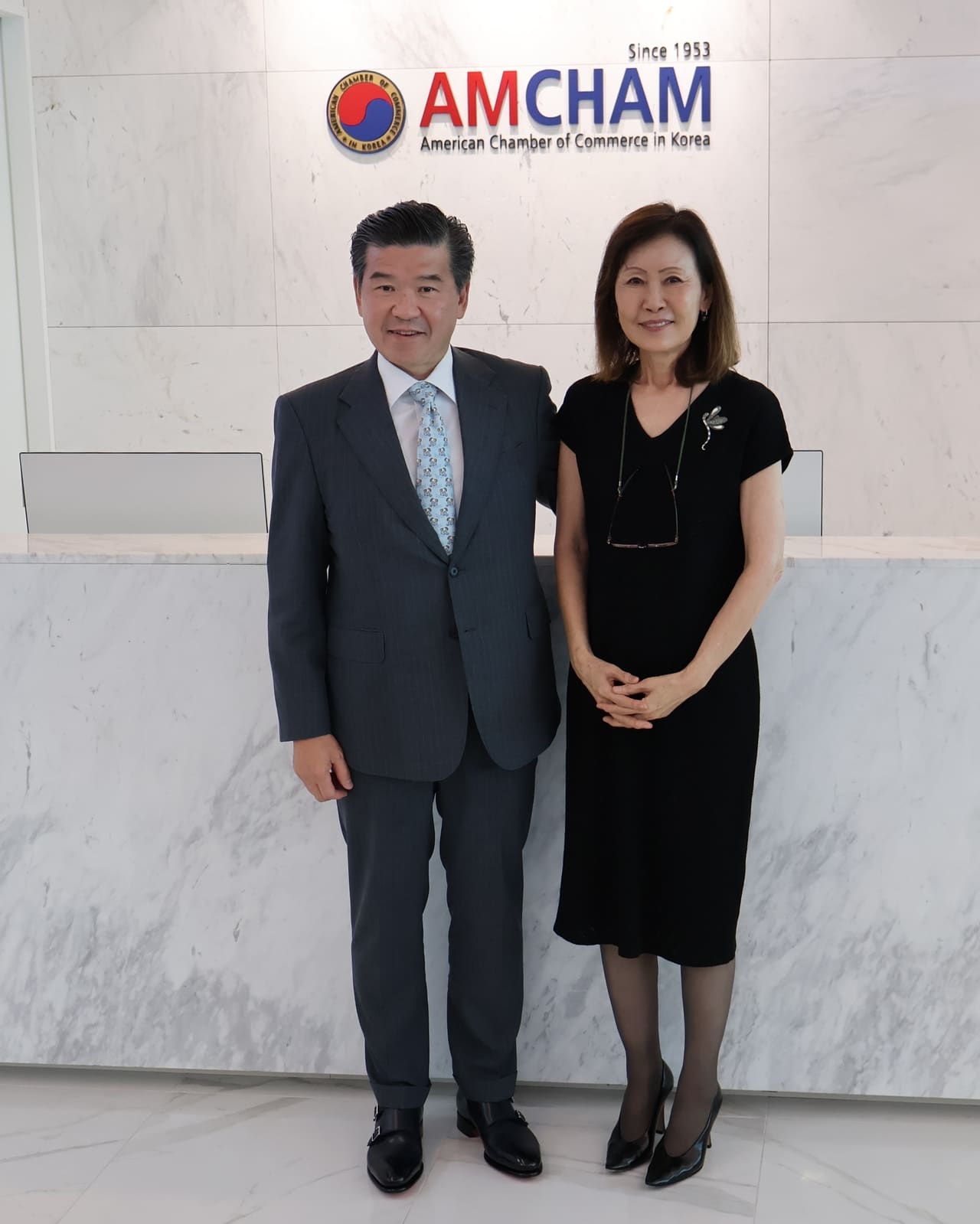
- ·US Ambassador Michelle Steel met American Chamber of Commerce Korea executives in Seoul on Thursday in her first official business engagement, with discussions covering trade and investment conditions.
- ·Participants emphasized the need for regulatory predictability and global alignment to support long-term investment planning by US firms across technology, manufacturing, and finance sectors in Korea.
- ·The meeting signals early diplomatic priority on economic ties as both governments prepare for negotiations on digital trade, clean energy, and technology partnerships in the Indo-Pacific.
First Business Engagement
US Ambassador to South Korea Michelle Steel convened her first formal business meeting with American Chamber of Commerce in Korea leadership on Thursday, marking an early diplomatic priority to engage the US corporate community in Seoul. The Yeouido gathering brought together senior executives from American firms spanning multiple sectors operating in the Korean market.
The roundtable centered on current business conditions, regulatory challenges, and opportunities to strengthen commercial ties between the two economies. Executives raised concerns about operating hurdles and emphasized the need for consistent, internationally harmonized regulatory frameworks that allow multinational companies to plan long-term investments with confidence.
Trade and Investment Focus
The discussion underscored the significance of the US-Korea economic relationship, which remains one of Washington's largest trading partnerships in Asia. American companies have maintained substantial operations in Korea across technology, manufacturing, finance, consumer goods, and pharmaceuticals, with many using the market as a regional hub for broader Asia-Pacific strategies.
AmCham Korea represents more than 800 member companies, ranging from Fortune 500 corporations to small and medium enterprises. The chamber has historically served as the primary channel between US business interests and both the embassy and Korean government agencies on policy matters affecting trade and investment.
Regulatory Predictability
Participants in the meeting stressed the importance of regulatory alignment with global standards, particularly as Korea continues to position itself as a key node in critical supply chains for semiconductors, batteries, and advanced manufacturing. Predictable policy environments reduce compliance costs and allow companies to commit capital with greater certainty, executives noted.
The timing of the meeting reflects heightened attention to Korea's role in US economic strategy, especially as Washington seeks to diversify supply chains and deepen partnerships with democratic allies in the Indo-Pacific. Korea's advanced industrial base and proximity to China make it a critical partner in sectors where supply chain resilience has become a national security priority for the United States.
Deepening Bilateral Ties
Steel's early engagement with the business community signals an intention to prioritize economic diplomacy during her tenure. Previous ambassadors have used similar forums to gather intelligence on market conditions, relay policy concerns to Washington, and coordinate on issues ranging from intellectual property protection to market access barriers.
The meeting also comes as both governments prepare for ongoing negotiations on digital trade, clean energy cooperation, and technology partnerships. American firms operating in Korea have a direct stake in how these discussions unfold, particularly in areas like data localization, green subsidies, and export controls on advanced technologies.
Corporate Priorities
Executives at the roundtable are expected to have raised issues including labor market flexibility, tax treatment of foreign investment, and bureaucratic processes that can slow project approvals. Korea's regulatory environment has improved significantly over the past decade, but American companies continue to flag areas where local rules diverge from international norms or create competitive disadvantages relative to domestic firms.
The session provides Steel with an early assessment of the business climate from the perspective of US investors who have committed billions of dollars to the Korean economy. Their feedback will likely inform embassy priorities and shape how Washington engages Seoul on economic policy in the months ahead.
AmCham Korea has not disclosed specific policy recommendations or outcomes from the meeting, but the chamber typically follows such sessions with formal submissions to both governments outlining priority reforms and areas for bilateral cooperation. The dialogue is expected to continue through regular working-level engagements between embassy staff and chamber committees focused on specific industries and policy domains.
The meeting reflects the broader pattern of US ambassadors using business communities as early interlocutors in new postings, particularly in markets where commercial interests are central to the bilateral relationship. Korea's status as a treaty ally, major trading partner, and technology leader makes business engagement a core element of the embassy's mission.
RELATED STORIES
Homeplus Pushes Break-Even Target to 2029 in Restructuring Setback
Jun-ho Seo · 2 min
Korean Beauty Firm APR Eyes $357 Million European Revenue as Amazon Push Pays Off
Cheng Wei-Lun · 2 min
South Korea Tests Low-Cost Attack Drones as North Expands Fleet
Jun-ho Seo · 3 min
South Korea Tests Arctic Shipping Route to Europe as Ice Melts
Cheng Wei-Lun · 2 min
Spot something wrong? Email editor@briefasia.com. We log every correction publicly.