Asia · Business
Thailand Urged to Tie EV Investment to Local Supply Chain Development
Independent economist calls for government to require Chinese automakers to develop domestic suppliers and train Thai workers as condition for continued expansion
KEY TAKEAWAYS
- ·An economist proposes Thailand require Chinese EV manufacturers to develop 100-200 local suppliers over one to two years as investment conditions.
- ·Operating costs favor EVs heavily, with Thai ICE drivers spending around 10,000 baht monthly on fuel versus 2,000 baht for electric vehicles.
- ·Thailand's automotive supply chain has failed to connect with China's EV industry due to technology gaps, unlike its deep integration with Japan's ICE sector.
The Stakes for Thailand's Auto Future
Thailand's government needs to impose concrete conditions on Chinese electric vehicle manufacturers expanding in the kingdom, requiring them to develop 100-200 local suppliers over one to two years as part of investment approvals, according to Aat Pisanwanich, a lecturer at Rangsit University's Faculty of Economics.
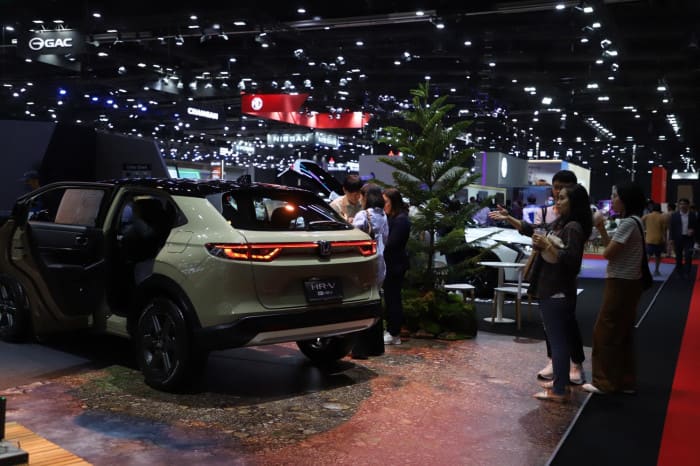
The proposal comes as Thailand's automotive sector faces a fundamental shift. Chinese EVs are gaining market share rapidly, while traditional Japanese automakers that built Thailand into Southeast Asia's largest auto production hub struggle to compete on price. The risk, Aat argues, is that Thailand becomes merely an assembly location without the deep supplier networks that made its internal combustion engine industry successful.
"I think the government's policy needs to be clear about which direction we are headed. Will we focus on EVs over the next 10 years, or will we continue to prioritize ICE vehicles?" Aat said.
Operating Costs Driving the Shift
The economics favor electric. An ICE vehicle driver in Thailand may spend around 10,000 baht per month on fuel, while operating an EV could cost 2,000 baht, Aat noted. That cost advantage is pulling consumers toward Chinese brands even if Japanese manufacturers receive tax incentives and reduce their vehicle prices to zero tax rates.
"Even if Japanese automakers receive tax incentives and the tax rate is reduced to zero, if they sell their vehicles at the same prices, many consumers will still opt for Chinese EVs because they are considerably cheaper in terms of energy costs," he said.
Market rumors suggest Toyota is considering shifting investment from Thailand to Indonesia, which still emphasizes ICE vehicles because it has domestic oil resources that keep fuel prices lower than Thailand. Indonesia also offers a larger market than Thailand.
The Supply Chain Gap
Thailand's automotive supply chain has been unable to connect effectively with China's EV industry because the kingdom has not yet caught up with the technology and innovation, according to Aat. Thai firms have considerable expertise supplying Japan's ICE industry, but that knowledge does not transfer directly to electric powertrains, battery systems, and software integration.
In contrast, Japanese companies played an integral role in developing local workers and suppliers when they built Thailand's ICE sector over decades. The question now is whether the government has the leverage to demand similar commitments from Chinese manufacturers.
Aat believes China would listen to such conditions because Thailand's automotive market is growing rapidly. Requirements could include training Thai workers for employment in China's automotive industry, cooperation with Thai universities, and allowing third- and fourth-year university students studying automotive fields to train at Chinese companies.
Tax Breaks Alone Won't Work
Government support alone is insufficient if Thailand wants to ensure Japan's ICE automotive sector can remain viable in the country, Aat noted. Even with tax incentives, Japanese automakers must reduce their vehicle prices to compete with Chinese EVs. But price cuts alone will not address the structural challenge of building local capability in electric vehicle production.
The government should introduce measures to encourage Japanese investors, particularly automakers, to remain in Thailand, even if this means offering tax reductions. However, the broader policy question remains whether the ICE market can continue to grow over the next decade or if Thailand should commit fully to electrification.
Made in Thailand, Actually
Aat supports a "Made in Thailand" policy that promotes the use of locally sourced raw materials. However, products must be certified as Thai-made to avoid fraudulent Thai origin claims. An effective traceability system is needed to prevent these fraudulent designations, he noted.
The challenge is enforcement. Without rigorous certification and supply chain transparency, Thailand risks becoming a transshipment point where products receive Thai labels without genuine local value addition. That outcome would undermine both the credibility of Thai manufacturing and the employment benefits the government seeks.
What Comes Next
The policy crossroads is immediate. As Chinese EV manufacturers expand capacity and Japanese automakers reassess their regional footprint, Thailand has a narrow window to set terms that ensure technology transfer and supplier development. The alternative is a repeat of lower-value assembly operations that characterized earlier waves of foreign investment in other sectors.
Whether Bangkok has the political will to impose supplier development requirements on Chinese automakers while simultaneously supporting Japanese manufacturers through the energy transition will determine if Thailand retains its position as Southeast Asia's automotive center or becomes a secondary player in the electric age.
Training initiatives, university partnerships, and supplier development targets are concrete asks. The question is whether Thailand's government will make them conditions rather than aspirations.
RELATED STORIES
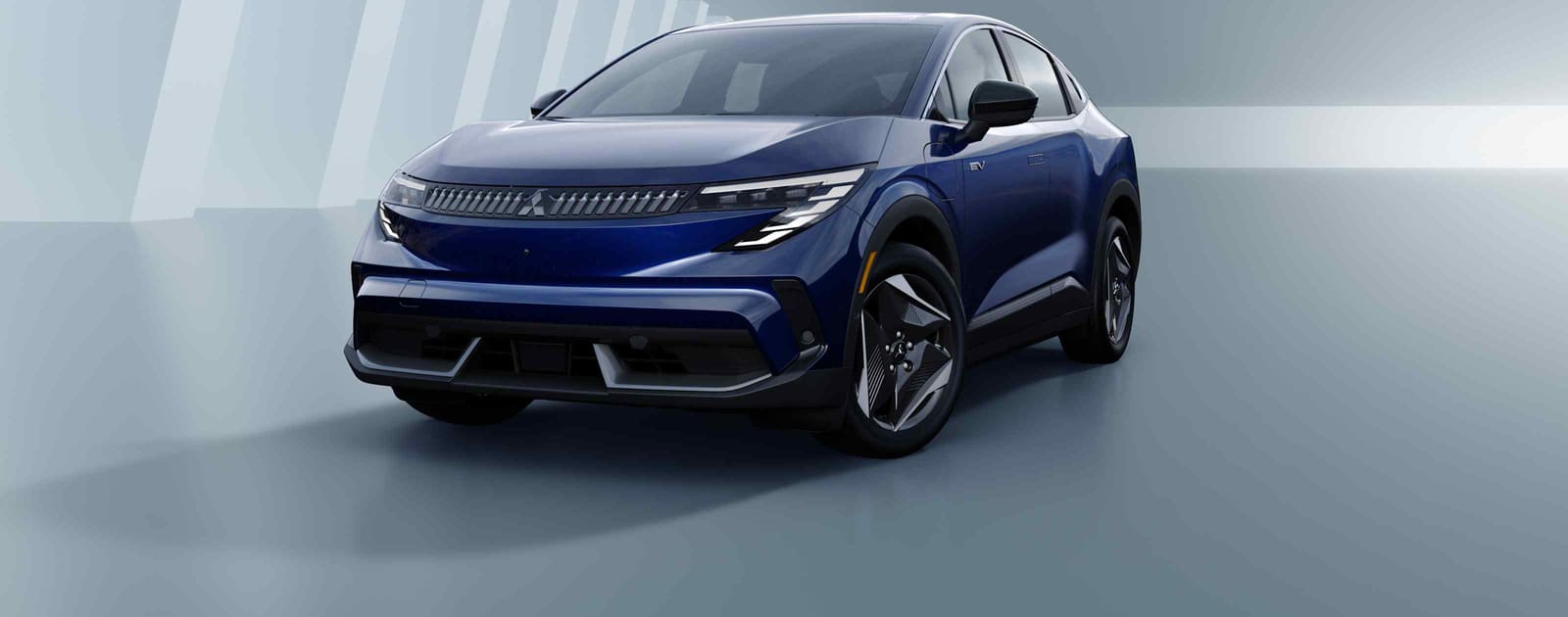
Mitsubishi Motors Shifts Strategy to US and Australia Markets
Aiko Nakamura · 3 min

China's EV Makers Ship One Out of Every Three Cars Overseas as Domestic Demand Cools
Cheng Wei-Lun · 3 min
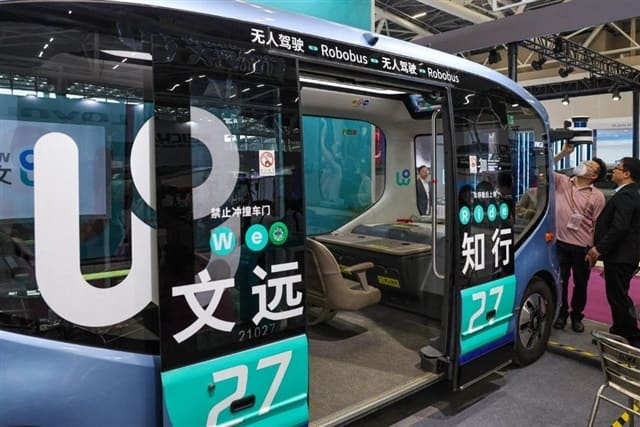
WeRide Eyes Regional Push Across Australia and Asia-Pacific Markets
Cheng Wei-Lun · 2 min
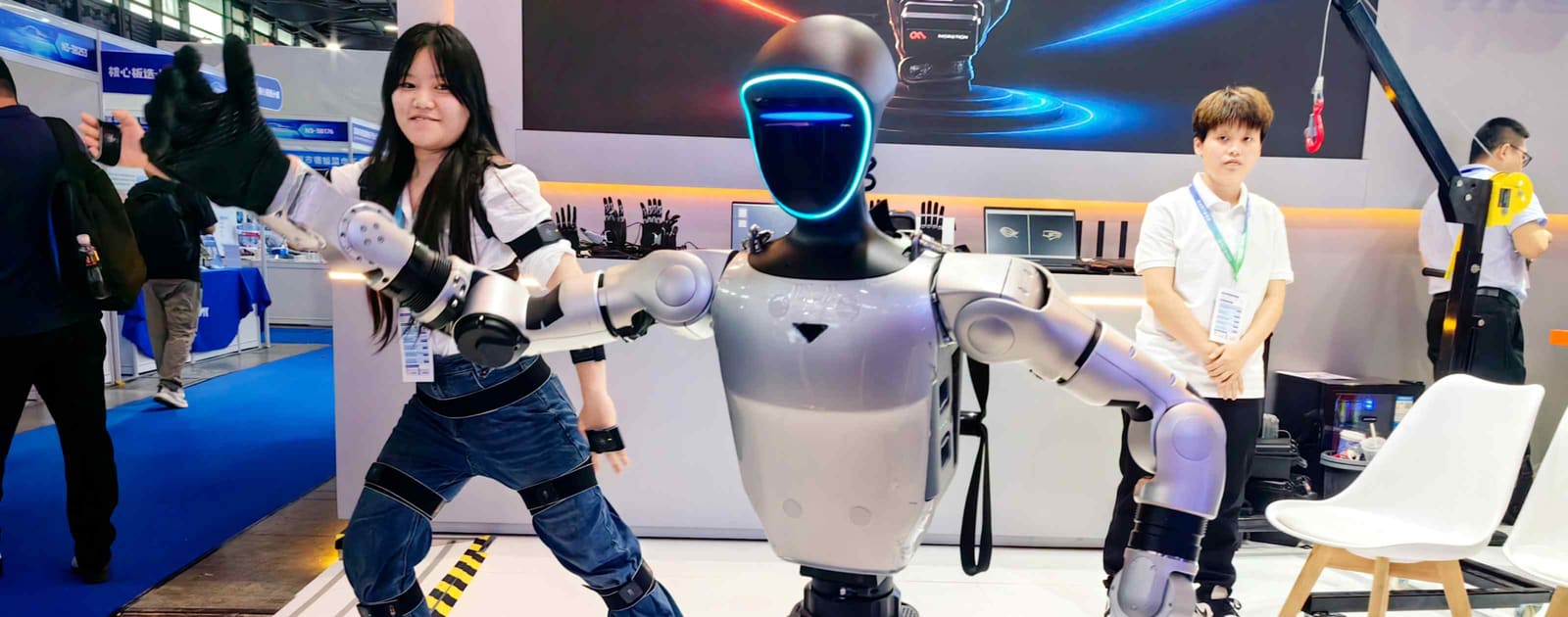
Chinese Humanoid Robots Now Jump Higher and Run Faster Than Olympic Athletes
Cheng Wei-Lun · 4 min
Spot something wrong? Email editor@briefasia.com. We log every correction publicly.